Rice Cooker vs Pot: Which Method Should You Choose? (November 2026)
Pick a rice cooker for hands-free rice and a stovetop pot for full control. In this rice cooker vs pot comparison, the electric models below win on cleanup and keep-warm ease, while a pot still gives you direct heat control when you want it.
On this page (12 sections)
- Rice cooker vs pot: the quick side-by-side
- How automatic cooking changes the rice cooker vs pot result
- Cleanup: where the rice cooker vs pot gap shows up
- Convenience and keep warm: the hands-free advantage
- Stovetop control: when a pot still makes sense
- Size, capacity and counter space in real kitchens
- Controls and presets: simple switch versus digital
- Steaming, grains and extra uses beyond rice
- Power, heat and cooking speed
- Who should buy which model
- Care, safety and everyday use tips
- The verdict on rice cooker vs pot
Choose a rice cooker for hands-free rice, and choose a pot if you control heat yourself. In this rice cooker vs pot comparison, electric models win on consistency and cleanup, while a pot wins on flexibility.
The choice matters most if you cook rice weekly. A cooker handles cooking and keep warm without watching the stove.
A pot leaves water, boil and timing to you.
Our score weighs specs, features and buyer feedback. We compared capacity, cleanup, controls and included items across these 4 models for small kitchens, single servings and family batches.
 Best for small multi-use kitchens
Instant Pot Duo 7-in-1 Mini Electric Pressure
Rice cooker vs pot: the quick side-by-side
An electric rice cooker gives you presets, keep warm and a removable pot, while a pot gives you direct control and no extra appliance. Table below shows how the 4 electric picks compare on the facts that matter in daily use.
| Model | Capacity | Best trait | Size |
|---|---|---|---|
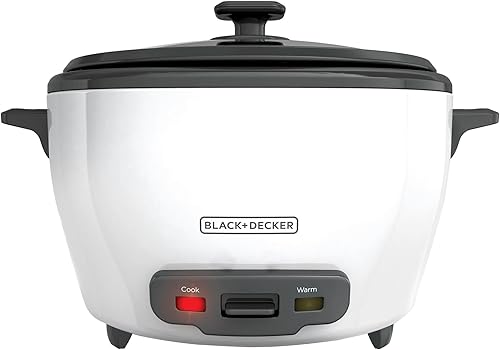
| BLACK+DECKER Rice Cooker 6-Cup | 6 cups cooked | Steaming basket and keep warm | 10 x 9.0 x 5.5 in |
| Instant Pot Duo 7-in-1 Mini Electric Pressure | 3 quarts | 7 functions in one unit | 11.2 x 11.4 x 10 in |
| AROMA Digital Rice Cooker | 8 cups cooked | Rice presets and delay timer | 8.63 x 9.25 x 8.5 in |
| Dash Mini Rice Cooker | 2 cups cooked | One-switch single serve | 6.6 x 8.27 x 6.5 in |
A stovetop pot has one edge. You can use a pot you own, with no counter space or cord.
If you cook rice rarely, that may be reason enough to skip a new appliance.
Capacity is the first filter. The Dash makes 2 cups cooked from 1 cup uncooked.
The BLACK+DECKER makes 1 to 6 cups cooked. The AROMA makes 2 to 8 cups cooked.
The Instant Pot mini is 3 quarts for small households and side dishes.
How automatic cooking changes the rice cooker vs pot result
Automatic cooking is the main reason to buy a rice cooker, because it removes boil-watching and timing guesswork. You add rice and water, and the cooker runs the cycle and switches to keep warm.
The BLACK+DECKER 6-Cup switches to automatic keep warm after cooking. Its included 3/4-cup measuring cup helps accurate portions since standard cups differ.
The AROMA Digital Rice Cooker adds White Rice, Brown Rice, Steam and Flash Rice presets. Its Sensor Logic controls internal temperature, and it offers a 15-hour delay timer.
The Dash Mini Rice Cooker uses a one-switch interface and indicator light. Keep warm follows when the light shows food is ready, which suits a dorm, office or first apartment.
A pot can match texture if you know your stove, but it cannot walk away for you. For more detail, our rice cooker automatic guide explains one-switch and digital designs.
Rice cooker vs pot for texture control
A pot gives manual texture control, while a rice cooker gives repeatable texture from a fixed ratio. Neither is automatically better.
It depends on whether you adjust or prefer consistency.
With a pot, add more water for softer rice or less for firmer rice as you learn your stove. The BLACK+DECKER manual gives rice-to-water ratios by type, and texture varies by type and cook time.
Start with the stated ratio, then change it once at a time.
Preset models reduce trial and error. The AROMA separates White Rice and Brown Rice cycles.
The Instant Pot mini lists a rice function among its 7 cooking functions.
For a pot, use a lid that seals well and a burner you trust. For a cooker, use the measuring cup in the box.
The AROMA requires its included cup, so the right cup is part of the system.
Cleanup: where the rice cooker vs pot gap shows up
Cleanup favors a rice cooker with a removable pot, because the pot lifts out instead of sticking to a stovetop vessel. A pot can also be easy, but scorched rice at the bottom is the usual complaint.
The BLACK+DECKER has a removable nonstick bowl for dishwasher cleanup, plus a serving spoon that protects the pot. Its tempered glass lid washes separately, so you can watch rice cook.
The Instant Pot Duo 7-in-1 Mini uses a stainless steel inner pot with a tri-ply bottom. Its dishwasher-safe lid and inner pot make washing effortless, and stainless steel suits sautéing and searing.
The AROMA and Dash list hand wash care, a trade-off if you prefer dishwasher cleanup. In return, the AROMA gives digital presets and a delay timer, while the Dash gives a ceramic nonstick pot that releases food cleanly.
A cooker that switches to keep warm also lowers scorch risk if you miss the heat.
Convenience and keep warm: the hands-free advantage
Keep warm is a convenience feature a plain pot cannot offer without extra work. Reheating or holding rice over low heat can dry it out.
All 4 models list keep warm in some form. The BLACK+DECKER switches automatically.
The AROMA provides automatic Keep Warm after each cycle. The Dash switches after its indicator light shows it is ready.
The Instant Pot mini lists warmer among its 7 functions.
That matters for meal timing. Cook rice early, then serve it later with a main dish.
Rice also stays warm and fluffy for second helpings instead of cooling on the stove.
Steaming adds convenience too. The BLACK+DECKER includes a steaming basket for veggies and fish.
The AROMA includes a steam tray for meat and vegetables while rice cooks below. The Instant Pot mini includes a stainless steel steamer rack.
A pot can steam with an added basket, but that is another item to buy and store. A cooker with a built-in steamer keeps the task in one appliance.
Stovetop control: when a pot still makes sense
A pot makes sense if you want direct heat control and cook rice only now and then. It also suits a kitchen with no spare counter space.
With a pot, you choose burner, heat level and when to lift the lid. Some cooks like that control for pilafs or fried rice, while a rice cooker is more narrowly focused on rice and grains.
The Instant Pot mini bridges the gap best. It lists pressure cook, slow cook, sauté, steam, rice, yogurt and keep warm, with a stainless steel pot made for searing.
The other 3 models are more dedicated. The BLACK+DECKER lists soups, stews and oatmeal plus steaming.
The AROMA lists soups, jambalaya, chili and oatmeal. The Dash lists oatmeal, quinoa, brown rice, pasta, soups and banana bread.
If you own a good pot with a tight lid, test a small batch first. Our rice cooker vs pressure cooker guide lays out when pressure adds value.
Size, capacity and counter space in real kitchens
Buy capacity for your usual batch, because too large can cook uneven rice and too small frustrates family meals. These 4 picks cover single serve to family size.
The Dash makes 2 cups cooked from 1 cup uncooked. It weighs 2.2 pounds and measures 6.6 x 8.27 x 6.5 in.
The BLACK+DECKER makes up to 6 cups cooked from up to 3 cups uncooked. It weighs 2 pounds and measures 10 x 9.0 x 5.5 in.
The AROMA makes 2 to 8 cups cooked and measures 8.63 x 9.25 x 8.5 in.
The Instant Pot mini is 3 quarts and weighs 8.2 pounds. It measures 11.2 x 11.4 x 10 in, so check shelf height first.
A pot saves counter space but uses stovetop space. Leave clearance for the lid and steam vent.
Controls and presets: simple switch versus digital
Simple controls suit busy cooks, while presets suit grain variety. The choice depends on how many rice and grain types you cook.
The Dash uses a one-switch interface with an indicator light for ready. It also handles oatmeal, quinoa, brown rice, pasta and soups.
The BLACK+DECKER keeps controls simple with automatic keep warm and manual rice ratios. It has no digital presets, which suits mostly white rice.
The AROMA uses digital controls for White Rice, Brown Rice, Steam and Flash Rice. Flash Rice can cut cooking time by up to 50%.
The Instant Pot mini has 11 one-touch smart programs, the most complex set here. It pays off for pressure cooking and yogurt, but may be overkill for rice alone.
A pot has the simplest control with a dial or knob. Our best rice cooker ninja roundup helps compare digital controls across another brand line.
Steaming, grains and extra uses beyond rice
Extra uses can tip the rice cooker vs pot choice, because a cooker that steams or handles grains replaces more than a rice pot. Check what each included item lets you do.
The BLACK+DECKER includes a steaming basket for veggies and fish while rice cooks. It also includes a rice measuring cup and serving spoon, and lists soups, stews and oatmeal.
The AROMA includes a steam tray, rice measuring cup and serving spatula. It steams meat and vegetables while rice cooks below, and lists oatmeal, chili, jambalaya and soups.
The Dash lists oatmeal, quinoa, brown rice, pasta, soups and banana bread. It includes a CleanCoating Ceramic Nonstick Removable Pot, glass lid, mixing paddle, measuring scoop and recipe guide.
The Instant Pot mini includes a stainless steel steamer rack. Its 7 functions cover pressure cooking, slow cooking, sautéing, steaming, rice, yogurt and warming.
A pot can cook soups and grains, but steaming needs a separate basket. A cooker with a tray or rack already gives you that insert.
Power, heat and cooking speed
Power affects speed and recovery, but a simple rice cooker does not need high wattage to cook rice well. These wattages show different design goals.
The BLACK+DECKER uses 300W at 120V for 6 cups cooked, with cooking taking 20 to 30 minutes. That pace fits steady rice, not rapid multi-function cooking.
The Instant Pot mini uses 700 watts at 120 V 60 Hz. Higher power supports pressure cooking and faster meals, with the maker claiming up to 70% faster than slow cooking.
The AROMA uses 120 volts, and Flash Rice can cut cooking time by up to 50%. That targets speed without pressure controls.
The Dash does not list wattage here. Its cook times are white rice in 25 to 30 minutes, brown rice in 45 to 50, and quinoa in 15 to 20.
A stovetop pot heats quickly and adjusts fast. A rice cooker trades some speed for automatic control and keep warm.
Who should buy which model
Match the model to batch size first, then to controls and cleanup. That order prevents buying a cooker too small for family rice.
Choose the BLACK+DECKER for simple rice for 1 to 6 cups with a steaming basket. Its removable nonstick bowl suits busy households.
Choose the Instant Pot Duo 7-in-1 Mini for rice plus pressure cooking, slow cooking and sautéing. Its 3-quart size suits small households or side dishes.
Choose the AROMA for many grains and presets. White Rice, Brown Rice, Steam and Flash Rice plus a 15-hour delay timer suit varied meals, with hand wash care as the trade-off.
Choose the Dash for one or two people. Its 2-cup capacity and one-switch design suit dorms, offices and travel.
Skip a dedicated cooker if you cook rice rarely and own a good pot. Our rice cooker vs microwave comparison covers texture and timing for leftovers.
Care, safety and everyday use tips
Good care starts with the right cup, the right ratio and a clean pot. Those habits matter more than any single feature.
Use the cup that comes with your cooker. The BLACK+DECKER includes a 3/4-cup cup, and the AROMA requires its included cup.
Check the manual for rice-to-water ratios by type. Add more water for softer rice and less for firmer rice, changing one variable at a time.
Clean the pot as directed, since the BLACK+DECKER and Instant Pot list dishwasher-safe pots. The AROMA and Dash list hand wash care, and the Dash pot should not have its body submerged.
Use the included spoon or spatula to protect coatings. Metal can scratch nonstick or ceramic surfaces.
Place the cooker on a stable surface with steam clearance. Keep the lid and vent clear and do not fill past the marked limit.
Our guide on can you use cooking spray in air fryer helps avoid coating damage on other nonstick surfaces. Our best air fryer for healthy cooking guide also pairs well with steamed rice meals.
The verdict on rice cooker vs pot
Buy a rice cooker if you cook rice often and want hands-free keep warm, and buy a pot only if you cook rice rarely or want full stovetop control. That rule covers most kitchens.
For most families, the BLACK+DECKER Rice Cooker 6-Cup is the simplest upgrade from a pot. It handles 1 to 6 cups cooked, steams vegetables and fish, and cleans with a removable bowl.
Its 9.7 score reflects that fit for daily rice.
For small kitchens wanting range, the Instant Pot Duo 7-in-1 Mini Electric Pressure is the stronger multi-use pick. It adds pressure cooking, sautéing and yogurt to rice in 3 quarts.
Its 9.6 score reflects flexibility at a larger footprint.
For grain lovers, the AROMA earns 9.5 with presets, Flash Rice and a delay timer. For singles and small spaces, the Dash earns 9.4 with a one-switch design and 2-cup capacity.
A pot still wins on cost if you own one and cook rice only on weekends. Once rice becomes a weeknight staple, keep warm and a removable pot save time every week.
Frequently asked questions
Is a rice cooker better than a pot for rice?
A rice cooker is better if you want hands-free cooking and automatic keep warm, while a stovetop pot is better if you want direct heat control. These electric models add presets, steamers and timers that a plain pot cannot match on convenience.
What size rice cooker should I buy?
Buy for your usual batch, not your largest possible meal. The Dash makes 2 cups cooked, the BLACK+DECKER makes up to 6 cups cooked, and the AROMA makes up to 8 cups cooked.
A 3-quart Instant Pot mini suits small households and side dishes.
Can I cook more than rice in a rice cooker?
Yes, these models list steaming, grains, soups and more. The BLACK+DECKER includes a steaming basket for vegetables and fish.
The AROMA includes a steam tray and lists soups, jambalaya and chili.
The Dash lists oatmeal, quinoa, pasta and soups.
Which is easier to clean, a rice cooker or a pot?
A rice cooker with a removable nonstick or stainless pot is usually easier, since the pot lifts out for washing. The BLACK+DECKER and Instant Pot list dishwasher-safe pots.
The AROMA and Dash use hand wash care, so check your cleanup preference before you buy.