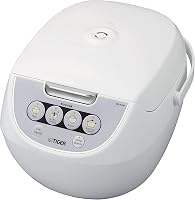
How to Use the Keep Warm Function on a Rice Cooker
The rice cooker keep warm function holds cooked rice at a serving temperature after the cooking cycle ends. Use it for a short holding period, keep the lid closed, and fluff the rice before serving.
On this page (11 sections)
- What does the rice cooker keep warm function do?
- How should you use keep warm after cooking?
- How long should rice stay on keep warm?
- Why does rice texture change while warming?
- Which rice cooker controls help with keep warm?
- Can a rice cooker keep rice warm without drying it?
- Which cooker is better for serving food warm?
- What should you look for in a rice cooker keep warm mode?
- How do you clean a rice cooker after using keep warm?
- Can you leave rice in keep warm overnight?
- What is the best way to use a rice cooker keep warm function?
The rice cooker keep warm function holds cooked rice at a serving temperature after the cooking cycle ends. Use it for a short holding period, keep the lid closed, and fluff the rice before serving.
When cooking finishes, the cooker changes from active cooking to gentle warming. That keeps rice ready for the meal, but it doesn't preserve the same texture forever.
What does the rice cooker keep warm function do?
Keep warm maintains cooked rice after the main cooking cycle. The heating system stays on at a lower level so the rice remains ready to serve instead of continuing through the full cooking program.
The function is useful when rice finishes before the rest of the meal. It also helps when household members eat at different times, but the rice should not remain heated longer than your manual recommends.
Keep the lid closed while the rice waits. Each opening releases heat and moisture, which can make the top layer dry before you are ready to serve.
If you are still learning the basic controls, start with this guide to how to use an electric rice cooker. It covers the cooking cycle that comes before warming.
How should you use keep warm after cooking?
Let the rice cooker switch to keep warm, then open the lid only when you are ready to fluff and serve. Use a rice paddle to lift rice from the bottom rather than scraping hard against the inner pan.
- Wait for the cooker to signal that cooking has ended.
- Leave the lid closed while the rice settles briefly.
- Open the lid and fluff the rice gently from the bottom.
- Serve what you need, then close the lid.
- Cancel keep warm when the meal is over.
- Refrigerate leftovers promptly in a shallow container.
Fluffing separates compacted grains and spreads moisture through the rice. Don't stir aggressively, because that can crush softer rice and make it gummy.
The measuring cup matters during cooking because rice cookers use a set water-to-rice balance. Use the cup supplied with your cooker when the manual calls for it.
How long should rice stay on keep warm?
Keep warm is best for the time between cooking and serving, not for indefinite storage. The longer rice stays heated, the more likely the grains are to dry, yellow, harden, or stick around the edges.
Your model's manual gives the most useful time limit. Some cookers include standard keep warm, extended keep warm, or a reheat cycle, so the available controls can change the best approach.
For food safety, the USDA's food safety guidance for cooked rice and leftovers recommends prompt refrigeration and safe reheating practices. Don't rely on texture or smell alone to judge whether a leftover is safe.
Why does rice texture change while warming?
Rice becomes drier and firmer when gentle heat continues to remove moisture from the grains. The top layer and rice touching the inner pan often show the change first.
White rice may develop a firmer surface, while softer rice can become sticky around the edges. Brown rice and mixed rice may also change texture as they remain warm.
You can reduce texture loss by leveling the rice before cooking, keeping the lid closed, and serving from the center and sides rather than leaving a thin layer spread across the pan. A reheat cycle may restore some softness when your cooker includes one.
Don't add water directly to a full cooker without checking the manual. Extra water can change the texture unevenly and may affect the next serving.
Which rice cooker controls help with keep warm?
Automatic keep warm is the simplest option because the cooker changes modes when cooking ends. Extended keep warm and reheat controls give you more ways to manage a delayed meal, but the rice still has a practical holding limit.
The rice cooker automatic guide explains how automatic controls differ from basic one-button models. Look for clear mode labels, a timer display, and a cancel control you can reach without guessing.
Who suits the Zojirushi Neuro Fuzzy rice cooker?
The Zojirushi Ns ZCC10 Neuro Fuzzy Rice Cooker suits households that want automatic keep warm, extended keep warm, and reheat cycles in a 5-1/2-cup cooker. Its menu includes white rice options, mixed rice, porridge, brown rice, rinse-free rice, and quick cooking.
The cooker has a spherical nonstick inner pan, an LCD clock and timer, and a 680-watt electrical rating. It also includes 2 measuring cups, a nonstick rice spoon, a spoon holder, and recipes.
Choose it if your priority is more control after cooking. Its 5-1/2-cup uncooked capacity can make about 10 cups of cooked rice, so check your usual batch size before choosing it.
Can a rice cooker keep rice warm without drying it?
It can slow texture loss, but it cannot stop moisture from changing over time. A tightly closed lid, a full enough batch, and prompt serving usually give better results than repeatedly opening the cooker.
Avoid leaving a small amount of rice spread across the bottom for a long period. A shallow layer has more exposed surface, so it can dry faster than a fuller batch.
If rice is already dry, fluff it gently and use the model's reheat cycle if available. Don't expect reheating to restore rice that has become hard around the edges.
For a cooker with a different control layout, compare the steps in how to use a Tiger rice cooker and how to use a Zojirushi rice cooker. The buttons differ, but the keep warm principle is similar.
Which cooker is better for serving food warm?
A rice cooker is designed for cooked rice, while a slow cooker is designed for holding cooked meals at a serving temperature. Choose based on the food you need to keep warm rather than treating the settings as interchangeable.
When does the Crock-Pot warming setting help?
The Crock-Pot 7-Quart Manual Slow Cooker suits large meals that need a warm serving setting, with a 7-quart capacity and room for a 7-pound roast. Its manual controls include high, low, and warm settings.
The removable stoneware is dishwasher safe and can be used in a microwave or an oven up to 400°F. The cooker has a stainless steel exterior and measures 16.9 in deep, 11.8 in wide, and 10.4 in high.
Choose it for soups, stews, and other slow-cooked meals that need to stay warm for serving. Choose a rice cooker instead when your main goal is cooking and warming rice with rice-focused programs.
You can also compare serving options in Can You Warm Up Leftovers In Air Fryer?. An air fryer reheats food with circulating heat, so it serves a different purpose from a rice cooker's gentle warming mode.
What should you look for in a rice cooker keep warm mode?
Choose a cooker with controls that match your serving schedule and rice habits. Automatic keep warm may be enough for daily meals, while extended keep warm and reheat cycles help when serving times vary.
Check these points before choosing:
- Automatic or manual transition to keep warm
- A cancel control that stops heating
- A reheat cycle if you often serve rice later
- A capacity that matches your normal batch
- A removable or washable part where the manual allows it
- Clear controls for white, brown, mixed, or other rice programs
Who suits the Zojirushi Micom rice cooker?
The Zojirushi Ns TSC10 5.5 Cup Micom Rice Cooker suits readers who want automatic keep warm, extended keep warm, and reheating in a 5.5-cup cooker. It uses micro computerized fuzzy logic and has a 1.0-liter capacity.
Its controls include 2 delay time settings, and it has a 610-watt electrical rating. It also includes a steam menu, steaming basket, rice measuring cup, spatula, and spatula holder.
Choose it if you want rice cooking plus a steam menu in one appliance. Its stainless steel exterior measures 10-1/8 in wide, 14 in deep, and 8-1/2 in high, so measure your counter space first.
For cleaning questions after warming rice, see how to use the Cuckoo rice cooker auto clean function. Follow your own manual for which parts can be washed and how the inner lid should be handled.
How do you clean a rice cooker after using keep warm?
Unplug the cooker, let it cool, and clean the parts according to the manual. Remove dried rice while it is easier to soften, and avoid scratching the inner pan.
Wipe the exterior with a damp cloth when the model's care instructions allow it. Don't immerse the electrical base in water or use abrasive tools on the inner pan.
Check the lid, steam path, and rim for starch residue. Dried starch can affect the lid seal and leave odors if it remains after repeated cooking cycles.
The Zojirushi Neuro Fuzzy model lists wiping with a damp cloth as its care instruction. The Zojirushi Micom model lists hand washing, so follow the instructions for the specific cooker you use.
Can you leave rice in keep warm overnight?
Avoid treating overnight keep warm as normal rice storage. Texture will usually suffer, and a long holding time can create food safety concerns if the cooker does not maintain safe conditions or if the lid is opened often.
If you need rice for the next day, cool it promptly in a shallow container and refrigerate it. Reheat only the portion you plan to eat, using a method that heats it thoroughly.
For a delayed dinner, automatic keep warm is useful for a short window. For leftovers, refrigeration is the better plan.
What is the best way to use a rice cooker keep warm function?
Use keep warm to bridge the gap between cooking and serving, not to store rice for a long time. Keep the lid closed, fluff gently, serve promptly, and refrigerate leftovers instead of leaving them heated indefinitely.
Choose the Zojirushi Ns ZCC10 if you want several warming and rice menu options. Choose the Zojirushi Ns TSC10 if you want similar warming controls with a steam menu, or choose the Crock-Pot if your warm food is a large slow-cooked meal rather than rice.
For related setup help, use the guides to how to use an electric rice cooker and how to use a Zojirushi rice cooker.
Frequently asked questions
What does the keep warm function do on a rice cooker?
The keep warm function holds cooked rice at a serving temperature after cooking ends. It uses gentle heat instead of continuing the cooking cycle, but rice can become drier, firmer, or stickier if it stays warm for too long.
Keep the lid closed and serve it as soon as practical.
How long can rice stay in the keep warm function?
Use the keep warm function for a short serving window and follow your rice cooker's manual for its time limit. Texture usually declines as rice stays heated, and cooked rice should not sit at unsafe temperatures.
Refrigerate leftovers promptly in a shallow container.
Why does rice get hard in the keep warm setting?
Rice gets hard because continued gentle heat dries moisture from the grains, especially around the surface and sides of the inner pan. Keeping the lid closed, stirring gently before serving, and using the cooker's reheat cycle when available can help improve texture.
Can you turn off keep warm on a rice cooker?
Many rice cookers let you cancel or switch off keep warm, but the control depends on the model. If you don't need to serve the rice soon, cancel the function and transfer leftovers to a shallow container for prompt cooling and refrigeration.