Rice Cooker vs Pressure Cooker: Which Should You Choose? (November 2026)
Choose a rice cooker for straightforward, frequent rice; choose a pressure cooker if you want one appliance for rice and varied meals. Your cooking habits matter more than the pressure cooker’s extra functions.
On this page (8 sections)
- Rice cooker vs pressure cooker: what’s the main difference?
- Which cooker is better for everyday rice?
- Can a pressure cooker cook rice?
- Is a pressure cooker faster than a rice cooker?
- Which is easier to use and clean?
- Which appliance fits your meal habits?
- What should you check before choosing?
- Which should you choose?
Choose a rice cooker for straightforward, frequent rice; choose a pressure cooker if you want one appliance for rice and varied meals. In the rice cooker vs pressure cooker choice, consider how often you cook rice, what else you make and how much setup you want.
A rice cooker focuses on rice, often with an automatic keep-warm mode. If you are weighing other ways to cook rice, compare rice cookers and microwaves.
An electric pressure cooker can make rice too, but it also supports pressure cooking and other methods, depending on the model.
For rice alone, a dedicated cooker keeps the routine simple. For soups, beans, stews and other dishes alongside rice, a pressure cooker may earn its space.
Rice cooker vs pressure cooker: what’s the main difference?
A rice cooker is built for cooking rice; an electric pressure cooker combines rice cooking with other functions. The extra range can help when you use it, but it may add steps to a meal that only needs rice.
A basic rice cooker heats rice and water until cooking ends, then switches to keep warm on models with that feature. You choose the rice and water amounts, start the cycle and let the cooker handle the routine.
A pressure cooker locks under pressure for some cooking modes. You need to secure the lid and follow the instructions for sealing, cooking and releasing steam.
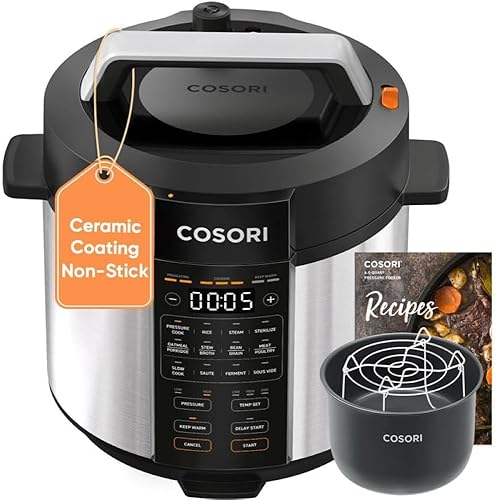
Pressure cookers vary. The Cosori Pressure Cooker 6QT has rice, pressure cook, slow cook and sauté functions, while the Instant Pot Duo 6 Qt 7-in-1 Electric adds rice to a mix of pressure cooking, slow cooking, sautéing, steaming, yogurt and keep warm.
For a closer look at the Instant Pot as a rice cooker, see rice cooker vs Instant Pot.
Which cooker is better for everyday rice?
A dedicated rice cooker is a natural fit when rice is a frequent part of your meals. Compare Tiger and Zojirushi rice cookers if you are choosing between brands.
Its controls and cooking cycle center on rice, and keep warm can hold cooked rice for serving.
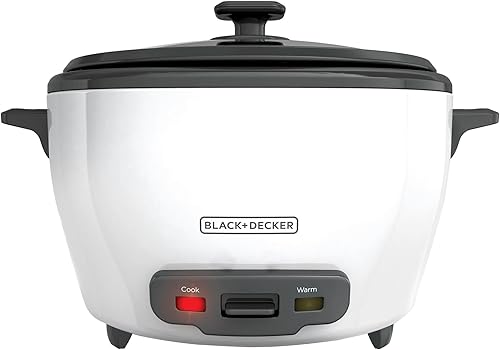
The BLACK+DECKER Rice Cooker 6-Cup prepares 1 to 6 cups of cooked rice and switches to keep warm when cooking finishes. It includes a steaming basket for vegetables, fish and more, plus a removable nonstick bowl that is dishwasher safe.
The AROMA Digital Rice Cooker offers settings for white and brown rice, along with steam and flash rice functions. It makes 2 to 8 cups of cooked rice and includes a delay timer and steam tray.
A dedicated cooker still needs the right rice-to-water ratio. For one Aroma model and grain, see how to cook brown rice in an Aroma cooker.
Use the included measuring cup and follow the manual, since rice cups can differ from standard kitchen cups.
For a deeper look at features and capacity, read our automatic rice cooker buying guide. If your main decision is between stovetop and countertop cooking, see rice cooker vs pot.
Can a pressure cooker cook rice?
Yes, some electric pressure cookers have a rice function, but settings and results depend on the model. Check the manual for rice type, water ratio, cycle and release instructions.
The Cosori has a rice function alongside pressure cook, steam, slow cook, sauté and several other modes. The Instant Pot Duo also includes a rice function in its set of cooking modes.
A pressure cooker’s rice function can make it useful for one-pot cooking, but it does not make every pressure cooker identical to a dedicated rice cooker. Compare the controls and manual for your chosen model, especially if you prepare a particular rice type often.
For model-specific differences between rice cookers with pressure and induction heating, see Zojirushi pressure rice cooker vs induction. If you want a model that combines both technologies, explore our guide to the best pressure induction rice cooker.
Is a pressure cooker faster than a rice cooker?
Pressure cooking can shorten cooking time for some foods, but total meal time includes setup and pressure release. Compare the full routine, not just the time under pressure.
The Instant Pot Duo’s maker says it can cook up to 70% faster than slow-cooking methods. That claim compares it with slow cooking, not with a dedicated rice cooker, so it doesn’t establish which appliance finishes rice sooner.
A pressure cooker also needs time to come to pressure and release it. A rice cooker runs its rice cycle without the same pressure-sealing and release steps.
Rice type and quantity affect timing in a rice cooker. A pressure cooker’s result depends on the recipe, the selected mode and the release method in the manual.
If speed matters, compare reliable instructions for the exact rice and amount you cook. Avoid assuming that a higher-pressure setting means a quicker overall dinner.
Which is easier to use and clean?
A rice cooker usually has the simpler rice routine, while a pressure cooker asks you to manage a locking lid and steam release. Cleanup depends on the inner pot and the parts each model allows you to wash.
The BLACK+DECKER has a removable nonstick bowl and automatic keep warm. The AROMA has digital controls, an automatic keep-warm mode and separate white and brown rice functions.
Pressure cookers have more setup when you use pressure mode. The Cosori has a lid-locking process with alignment marks and a steam release switch; its lid and ceramic-coated inner pot are dishwasher safe.
The Instant Pot Duo uses a stainless steel pot and an easy-release steam switch. For a different cooking-vessel option, see how glass rice cookers work.
Follow the care and safety directions for the exact cooker, including how to handle the lid after cooking.
Which appliance fits your meal habits?
Choose by the meals you actually make: rice often favors a dedicated cooker, while a varied menu can favor a pressure cooker. Extra functions matter when they replace another appliance or help you cook meals you already want.
Choose a rice cooker if rice is the main job
A dedicated cooker is a good match if you serve rice several times a week and want it to stay warm while you finish the rest of dinner. The BLACK+DECKER suits a simple routine, while the AROMA adds digital rice settings and a delay timer.
Both models include a steaming accessory, so they can do more than cook rice. They still do not offer the wider pressure-cooking range of the Cosori or Instant Pot.
Choose a pressure cooker if you want more than rice
A pressure cooker may suit you if you want rice, beans, stews, soups or slow-cooked dishes from one appliance. The Cosori and Instant Pot both combine rice with several cooking functions.
This versatility comes with a different routine for pressure cooking. Make room for the cooker, learn its lid and steam-release steps, and follow recipes that match the model.
Choose neither based on a single feature
Don’t buy a larger multicooker just because it can do more if you only need rice. Likewise, a rice cooker may not be enough if your main goal is pressure cooking.
Write down 3 meals you make most often, then check which appliance handles those tasks directly. That list is a clearer guide than comparing feature counts alone.
What should you check before choosing?
Check capacity, rice portions, controls, cleanup and the cooking functions you’ll use. For a compact dedicated option, compare small Zojirushi rice cookers.
A good fit should match both the amount you cook and the space you can give the appliance.
- Capacity: Compare cooked-rice capacity where it is stated. The BLACK+DECKER makes 1 to 6 cups cooked; the AROMA makes 2 to 8 cups cooked.
- Rice preferences: Look for settings that match your routine. The AROMA has white and brown rice functions; other models may use different controls.
- Other meals: Choose pressure cooking, slow cooking or sauté only if those functions solve a real need.
- Cleanup: Check whether the inner pot, lid or accessories are dishwasher safe, and follow each manual’s care directions.
- Space and handling: A 6 qt pressure cooker takes a different amount of counter and storage space than a compact rice cooker. Measure where it will sit and where the lid can open.
An electric pressure cooker buying guide can help you compare capacity, controls and safety features across multicookers. If you need a pressure canner, read how to choose an electric pressure canner and verify that the exact appliance is approved for your intended canning method.
Rice cooking can also be done with other kitchen tools, but an air fryer isn’t a direct replacement for either appliance. See can you make rice in an air fryer? and can you cook rice in an air fryer? for that separate question.
Which should you choose?
Pick a rice cooker if rice is your routine; pick a pressure cooker if you’ll use its broader meal functions. The right choice depends on how often those extra modes will earn their counter space.
For simple rice and automatic keep warm, choose a dedicated model such as the BLACK+DECKER or AROMA. For rice plus pressure cooking and other meals, compare the Cosori and Instant Pot, then follow the manual for setup and steam release.
If you mainly want to compare rice cooker types, start with the Zojirushi pressure vs induction guide. For rice as a side dish most days, a dedicated rice cooker keeps the choice focused on the job you do most.
Sources:
- BLACK+DECKER Rice Cooker 6-Cup product information
- Cosori Pressure Cooker 6QT product information
- AROMA Digital Rice Cooker product information
- Instant Pot Duo 6 Qt 7-in-1 product information
Frequently asked questions
Is a pressure cooker a rice cooker?
Some electric pressure cookers include a rice function, so they can cook rice, but they are not the same kind of appliance as a dedicated rice cooker. A pressure cooker also seals during cooking and may need steam release.
A rice cooker is built around cooking rice and typically switches to keep warm.
Is a rice cooker a pressure cooker?
A standard rice cooker is not a pressure cooker. It cooks rice without the sealed, pressurized cooking process used by an electric pressure cooker.
Some advanced rice cookers use pressure, so check the exact model if pressure cooking is a feature you want.
Which is better for everyday rice?
A dedicated rice cooker is usually the simpler choice if rice is a regular side dish. Models such as the BLACK+DECKER and AROMA cook rice and switch to keep warm, while a pressure cooker adds other functions and a steam release step.
Can a pressure cooker make rice as well as a rice cooker?
An electric pressure cooker with a rice function can make rice, but results and controls vary by model, rice type and recipe. Follow the manual for water ratios and timing, then compare texture with what you prefer from a dedicated cooker.
Should I buy both appliances?
Buy both only if you make rice often and also use pressure cooking enough to justify the extra appliance. If counter space is limited, choose the appliance that covers your most common meals.
A multicooker with a rice function can reduce duplication.


