How to Choose a Stainless Steel Pressure Canner
Choose a stainless steel pressure cooker for canning only when it is designed for pressure canning. Compare its canning controls, jar capacity, safety features and cleanup needs before choosing a general pressure cooker.
On this page (10 sections)
- How to Choose a Stainless Steel Pressure Canner
- What makes a stainless steel pressure cooker suitable for canning?
- Is stainless steel the right material for a pressure canner?
- How much capacity do you need for canning?
- Which controls matter most for pressure canning?
- What rack and pot features should you check?
- How do you choose between electric and stovetop canning?
- What can you cook besides canned food?
- How should you set up and care for a stainless steel pressure canner?
- Which stainless steel pressure cooker for canning should you choose?
How to Choose a Stainless Steel Pressure Canner
Choose a stainless steel pressure cooker for canning by confirming that it is a real pressure canner first, then comparing capacity, pressure controls, racks, cleanup and everyday cooking functions. Stainless steel can make a durable outer body or cooking pot, but the material does not decide canning suitability by itself.
The key difference is purpose. A pressure canner is built around processing jars under controlled pressure, while a standard pressure cooker is mainly designed for meals such as rice, stews, beans and soups.
If you are still deciding between the two appliance types, read our guide to pressure cooker vs pressure canner before comparing materials.
What makes a stainless steel pressure cooker suitable for canning?
A suitable canner needs more than a stainless steel finish. Look for a stated canning function, pressure regulation, a secure lid system and a rack arrangement that supports jars.
The NESCO NPC-9 is the clearest match among these options because its title identifies it as a smart electric pressure canner and cooker. It has a 9.5-quart stainless steel body, digital controls, automatic pressure and temperature regulation, a locking lid, an automatic float valve, and both canning and steam racks.
Those details matter because canning is a repeatable process. You need to manage pressure, temperature, jar placement and release steps in a controlled order.
A standard pressure cooker can still be useful in a kitchen, but its cooking functions do not automatically make it a canner. The Cosori Pressure Cooker 6QT has pressure cooking, steaming, sterilizing and other meal functions, yet its title identifies it as a pressure cooker rather than a pressure canner.
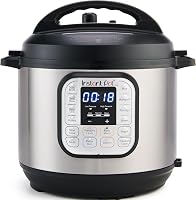
The Instant Pot Duo also focuses on general cooking. Its functions include pressure cooking, slow cooking, sautéing, steaming, rice, yogurt and warming, but its title does not identify it as a pressure canner.
For a deeper look at the limits of general pressure cookers, see can you use a pressure cooker for canning.
Is stainless steel the right material for a pressure canner?
Stainless steel is a sensible material preference when you want a durable metal body and a finish that fits regular kitchen use. Still, check which parts are actually stainless steel because the outer body, inner pot and cooking surface may use different materials.
The NESCO has a stainless steel material and color description, while its included components list identifies an aluminum inner pot. That means you should separate the outer finish from the pot you will remove, wash and use during cooking.
The Cosori is identified as stainless steel and includes a ceramic coating inner pot. Its stainless steel, fingerprint-resistant housing is paired with a ceramic cooking surface, so it may appeal to buyers who want a metal exterior with a coated pot.
The Instant Pot Duo is stainless steel and includes a stainless steel cooking pot described as 18/8 stainless steel with a tri-ply bottom. That construction supports sautéing and searing as part of its general cooking role.
Material should therefore be one part of your decision. A stainless steel body does not tell you whether the appliance can process jars, how many jars fit, or how its controls behave during a canning cycle.
If stainless steel is a wider kitchen preference, our guides to the Best Stainless Steel Air Fryer and Best Stainless Steel Air Fryer Basket cover the same material question in other appliances.
How much capacity do you need for canning?
Choose capacity around your normal batch size, not the largest number you can fit on a shelf. For a smaller stainless steel pressure cooker, compare 8-quart stainless steel models, and confirm the appliance is approved for your intended use.
The NESCO's 9.5-quart size gives you more room for canning work than the 6-quart Cosori or Instant Pot, while the smaller cookers take less counter and storage space.
The NESCO is designed for multiple jars per batch and includes a canning rack. Its digital display, preset programs and timer also suit a buyer who wants repeatable cycles for food preservation and larger meal preparation.
Its body measures 14.17 in deep, 15.27 in wide and 16.53 in high. At 22 lb, it also needs a permanent or semi-permanent storage spot that can handle a large countertop appliance.
The Cosori measures 12.6 in deep, 13.4 in wide and 12.5 in high. Its 6-quart capacity and 11.9 lb weight make it easier to move and store than the NESCO, but the smaller size is more naturally suited to everyday meals than large jar batches.
The Instant Pot Duo measures 12.2 in deep, 13.38 in wide and 12.48 in high. It has a 6-quart capacity and weighs 14.6 lb, so it occupies a similar countertop area to the Cosori while offering a stainless steel cooking pot.
Use this simple capacity rule:
| Your main need | Better starting point | Why |
|---|---|---|
| Dedicated home canning and larger batches | NESCO NPC-9 | Larger 9.5-quart capacity with canning and steam racks |
| Everyday meals with occasional small preserving tasks | Cosori 6QT | Smaller footprint and broad cooking functions |
| General pressure cooking and stainless steel sautéing | Instant Pot Duo 6 Qt | 6-quart size with a stainless steel pot and 7 cooking functions |
Capacity does not equal usable jar space. Rack design, pot shape and the space needed around jars affect how much you can process safely.
Before choosing a larger canner, measure the counter, cabinet and storage area. Leave room to work around the lid and controls, and make sure the appliance can be moved without carrying it over a hot surface.
Which controls matter most for pressure canning?
The most useful canning controls are the ones that help you maintain a repeatable process. Digital controls, preset programs, automatic pressure regulation and a timer reduce manual monitoring, but you still need to follow the appliance instructions for every batch.
The NESCO uses a digital controller with touch controls, preset programs and a built-in timer. Its automatic operation regulates pressure and temperature, while standard and high-altitude limiting valves are included among its components.
Its locking lid, automatic float valve and pressure regulation system also address basic pressure-cooking safety. The lid is designed to prevent opening under pressure, so wait for the pressure indicator to drop before attempting to open it.
The Cosori uses touch controls with manual-control physical buttons. It has a seal and vent button positioned away from the steam release valve, plus a steam release design angled 30 degrees backward.
For meal cooking, those controls can make steam release easier to manage. The Cosori also includes overheat protection and a double-layer anti-scalding lid as part of its 12 safety features.
The Instant Pot Duo uses push-button controls and 13 one-touch programs. Its Easy-Release steam switch is designed for steam release, while its programmable settings cover general cooking functions.
These control differences point to different buyers. The NESCO is the strongest fit when controlled canning is central.
The Cosori and Instant Pot are better starting points when pressure cooking is one part of a wider meal routine.
What rack and pot features should you check?
Check the rack and pot arrangement before buying because jars need stable support and the cooking pot needs practical cleanup. A canning rack is a meaningful advantage for preserving, while a steam rack alone does not mean an appliance is a canner.
The NESCO includes a canning rack and a steam rack. Its removable inner pot and condensation catcher also make it easier to separate the cooking vessel from the main appliance during cleanup.
The Cosori includes one steam rack, one inner pot, a recipe book, a user manual and a quick reference guide. Its ceramic-coated inner pot and dishwasher-safe lid, inner pot and accessories focus on meal cleanup rather than a dedicated jar-processing setup.
The Instant Pot Duo includes one item in its components data and has a stainless steel cooking pot with a tri-ply bottom. That pot is useful for pressure cooking, sautéing and searing, but the available information does not identify a canning rack.
Do not substitute a steam rack for a canning rack without checking the appliance instructions. A rack must support the jars in the intended position and allow the process to run as designed.
How do you choose between electric and stovetop canning?
Choose electric canning when you want built-in controls and a countertop process. Choose stovetop canning when you prefer direct control over the heat source and are comfortable managing the equipment manually.
The NESCO is an electric pressure canner and cooker with automatic operation, digital controls and a timer. That setup can suit a buyer who wants one appliance for preserving and cooking.
An electric model also needs a suitable location near its power source. The NESCO uses 120 volts, and its larger 22 lb body may make it less convenient to move after each use.
A stovetop pressure canner may offer a different size and control experience, but the right choice depends on the canner's instructions, pressure system, rack and approved use. Compare options in our guide to the best stovetop pressure cooker canner.
For buyers who want electric controls but are not sure which product type fits, our best electric pressure cooker for canning guide focuses on that decision.
What can you cook besides canned food?
The best dual-purpose model depends on how often you will switch between preservation and regular meals. The NESCO gives you canning plus pressure cook, slow cook, steam and water bath modes, while the Cosori and Instant Pot offer broader everyday cooking functions without being identified as canners.
The NESCO can handle soups, stews, jams and batch meals alongside its pressure canning role. Its 9.5-quart capacity gives it more room for larger meal-prep sessions, but it also takes more storage space.
The Cosori offers pressure cooking, rice, steaming, sterilizing, oatmeal or porridge, stew or broth, beans or grains, meat or poultry, slow cooking, sautéing, fermenting, sous vide and keep warm functions. Its 6-quart size may suit households that want one appliance for many meal types.
The Instant Pot Duo provides 7 cooking functions: pressure cook, slow cook, sauté, steam, rice, yogurt and keep warm. Its 13 one-touch options add preset control for common recipes.
This is the main trade-off:
- Choose the NESCO when canning is a planned, regular task and you also want cooking modes.
- Choose the Cosori when you want a lighter 6-quart appliance with many cooking functions and a ceramic-coated pot.
- Choose the Instant Pot Duo when you want a 6-quart stainless steel cooking pot with pressure cooking, sautéing and other daily meal functions.
For another brand-focused comparison, see our guide to the best prestige pressure cooker.
How should you set up and care for a stainless steel pressure canner?
Set up the appliance on a stable, heat-safe counter with space for the lid, controls and steam release area. Before each use, check the lid, valve, rack and inner pot, then clean the removable parts according to the appliance instructions.
The NESCO has a removable inner pot and removable condensation catcher. Its included canning rack and steam rack should be kept clean and stored where they will not bend or become difficult to identify.
The Cosori's lid, ceramic-coated inner pot and accessories are dishwasher safe according to its product information. Its widened pot gap is designed to make cleaning easier, but remove food residue before storing the appliance.
The Instant Pot Duo has a stainless steel cooking pot. Stainless steel can be convenient for regular cooking, but you should still clean the pot, lid and pressure components after each use and allow them to dry before storage.
Do not force a lid open. With the Cosori, wait until the float valve has dropped before opening.
The same basic safety habit applies to pressure appliances generally: release pressure as directed, keep your hands away from steam and follow the model's instructions.
For canning, also keep jars, lids, food and processing steps organized before starting. A written checklist can help you avoid mixing cooking settings with canning settings.
Which stainless steel pressure cooker for canning should you choose?
Choose the NESCO NPC-9 if you want a dedicated electric pressure canner with a 9.5-quart capacity, digital controls, automatic pressure regulation, a canning rack and a steam rack. Its larger body makes sense when preserving is a real part of your routine.
Choose the Cosori Pressure Cooker 6QT if your main goal is flexible meal cooking in a 6-quart appliance. Its stainless steel housing, ceramic-coated inner pot, steam rack and many cooking functions suit everyday use, but its product identity is a pressure cooker rather than a dedicated canner.
Choose the Instant Pot Duo 6 Qt 7-in-1 Electric if you want a general pressure cooker with a stainless steel pot and cooking functions for rice, yogurt, steaming, sautéing, slow cooking and warming. It is the least specialized choice for canning among these 3 options.
The final rule is simple: match the appliance's stated purpose to the job. Stainless steel can support your material preference, but canning suitability comes from the complete pressure system, controls, rack setup and instructions.
Frequently asked questions
Can you use a stainless steel pressure cooker for canning?
Use a stainless steel pressure cooker for canning only if it is designed and labeled for the canning method you need. A general pressure cooker may cook food under pressure but does not automatically provide the controls, capacity or process guidance required for safe pressure canning.
Is stainless steel better for pressure canning?
Stainless steel is valued for its durable cooking surface and resistance to rust, but the material alone does not make a cooker suitable for canning. Check the appliance's canning function, pressure controls, rack setup and instructions before choosing it for home food preservation.
What size pressure canner do I need?
Choose capacity based on the number of jars you plan to process and the space available for storage. A 9.5-quart canner suits larger batches than a 6-quart cooker, but outside dimensions, rack space and the type of jars you use matter more than the quart number alone.
Can an electric pressure cooker replace a pressure canner?
An electric pressure cooker can replace a pressure canner only when it is specifically designed for pressure canning and gives suitable pressure and temperature control. A cooker made for meals, rice and steaming should not be treated as a canner simply because it uses pressure.