Pressure Cooker vs Pressure Canner: Which Do You Need? (November 2026)
Choose a pressure cooker for everyday meals and a pressure canner for preserving low-acid foods. Some appliances combine both jobs, but their controls, capacity and intended use still matter.
On this page (9 sections)
- Pressure cooker vs pressure canner: what is the main difference?
- Which appliance is better for everyday meals?
- Which appliance is better for home food preservation?
- Is a stovetop pressure canner better for large batches?
- Can an electric pressure cooker replace a pressure canner?
- What should you check before pressure canning?
- Which pressure cooker or canner is easiest to maintain?
- Can a pressure cooker do the same jobs as a slow cooker?
- Which pressure cooker or pressure canner should you choose?
Choose a pressure cooker for everyday meals and a pressure canner for preserving low-acid foods. The pressure cooker vs pressure canner choice becomes clearer when you separate meal preparation from home food preservation.
A pressure cooker is built around foods such as rice, soups, stews, beans and tender meats. A pressure canner is built around controlled processing of jars, especially for low-acid foods such as vegetables and meats.
Some appliances combine both jobs. The key question is whether you need a general-purpose cooker, a dedicated canner, or a larger manual appliance that can do both.
Start with the job you will repeat most often. If dinner is the daily task, a pressure cooker fits that rhythm more naturally.
If preserving jars matters more, a canner deserves priority.
They can look alike on the counter. A sealed lid and steam do not tell the whole story about intended use.
Capacity also shapes the right answer. A cooker sized for family meals may be too small for jars and racks.
A canner sized for jars may feel large for a simple weeknight stew.
Controls matter in daily use too. Electric models can offer presets and timers for repeatable cooking.
Manual models place more responsibility on heat and pressure adjustments.
Think about your kitchen space as well. An electric appliance needs a suitable outlet and stable countertop.
A stovetop model needs a compatible range and room around the burner.
It helps to name your main use before comparing features. Everyday cooking brings one set of needs.
Home food preservation brings another set entirely.
A pressure cooker suits meals that go straight from the pot to the table. Rice, beans, soups and tender meats all fit that pattern well.
A pressure canner suits jars that need controlled processing for storage. Vegetables, meats, broths and sauces require careful attention to tested methods.
Combination appliances can bridge the gap for some households. They still need clear identification for both cooking and canning roles.
Check the manual before assuming an appliance can handle jars. Intended use should come from the maker, not from the shape of the lid.
Consider cleanup and storage after you choose a direction. More racks, pots and accessories can mean more pieces to wash after each batch.
Your choice will also affect how often the appliance gets used. A tool matched to your routine is easier to keep clean and ready.
That is why the main task should lead the decision. Once the main job is clear, the remaining features are easier to judge.
 Best for electric pressure canning
NESCO NPC‑9 Smart Electric Pressure Canner
Pressure cooker vs pressure canner: what is the main difference?
A pressure cooker prepares food in a sealed pot, while a pressure canner processes jars under controlled pressure. They may look similar, but their capacity, controls and intended use can differ.
Pressure cookers usually focus on functions such as pressure cooking, slow cooking, steaming, sautéing and rice preparation. Their smaller capacities suit meals that go straight from the pot to the table.
For chicken-focused options, see pressure cookers for frying chicken.
Pressure canners need room for jars, racks and the circulation of heat and pressure around the jars. They also need instructions that cover pressure levels, processing times and safe pressure release.
The USDA's home canning guidance explains why tested methods matter when preserving food. Treat pressure canning as a food safety process, not simply as a longer pressure-cooking cycle.
Which appliance is better for everyday meals?
A regular electric pressure cooker is the better fit for frequent meals, especially when you want several cooking modes in one countertop appliance. It can save space if your main goal is dinner rather than preserving jars.
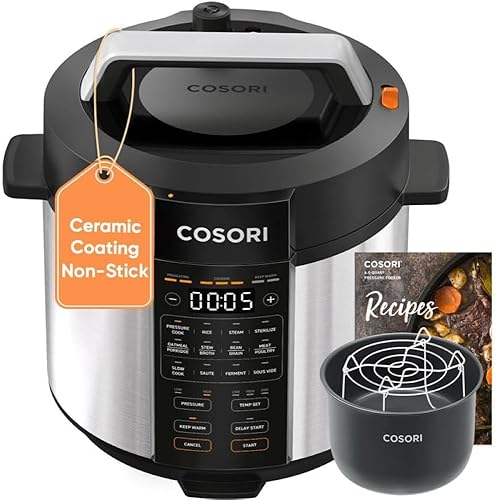
The Cosori has a 6-quart capacity, a ceramic-coated inner pot and 9-in-1 cooking functions. Its functions include pressure cooking, rice, steaming, slow cooking, sautéing, fermentation and sous vide.
For operating steps, see COSORI cooker instructions.
Its 12 safety features, seal and vent button, and backward-angled steam release are useful details for a cooker used often. The lid, ceramic-coated inner pot and accessories are dishwasher-safe, which can simplify routine cleanup.
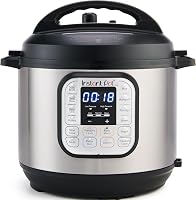
The Instant Pot Duo is another meal-focused option. It has a 6-quart capacity, 7 cooking functions and 13 one-touch smart programs for tasks such as pressure cooking, slow cooking, steaming, rice, yogurt and keeping food warm.
The Instant Pot's cooking pot is 18/8 stainless steel with a tri-ply bottom. That gives it a different daily-use profile from the Cosori's ceramic-coated inner pot, so choose based on your preferred pot material and cooking functions.
For more help comparing electric controls, cooking modes and pot features, see our electric pressure cooker buying guide.
Which appliance is better for home food preservation?
A pressure canner is the better choice when you plan to preserve jars of low-acid food. Look for an appliance specifically designed for pressure canning rather than assuming every sealed cooker can process jars safely.
The NESCO NPC-9 is a 9.5-quart stainless steel smart electric pressure canner and cooker. It automatically regulates pressure and temperature, and its digital display, preset programs and timer support repeatable cycles.
Its modes include pressure cook, slow cook, steam and water bath. That makes it a useful choice for someone who preserves food but also wants one appliance for soups, stews, jams and other meals.
The safety lock lid, automatic float valve and pressure regulation system are designed to prevent opening under pressure and reduce user error. The removable nonstick inner pot, canning rack, steam rack and condensation catcher also shape the setup and cleanup routine.
If stainless steel is your priority, our guide to a stainless steel pressure cooker for canning explains which details deserve attention.
Is a stovetop pressure canner better for large batches?
A large stovetop canner can be the better fit when batch size matters more than automatic controls. It needs a suitable range and closer manual attention, but it gives you more room for preserving sessions.
The Presto 01755 has a 16-quart capacity and aluminum construction. It works on gas, electric and smooth-top ranges, so its placement depends on the range available in your kitchen.
Its manual operation means you manage the pressure and heat according to the instructions. The air vent and cover lock help pressure build only when the cover is closed properly, and they prevent opening until pressure is reduced.
The Presto also doubles as a boiling-water canner for fruits, jams, jellies, pickles and salsa. Its large capacity makes it the strongest match here for bigger stovetop preserving sessions, while its 10.5 lb weight is lower than the NESCO's 22 lb weight.
For a closer look at range-based options, compare our guide to the best stovetop pressure cooker canner.
Can an electric pressure cooker replace a pressure canner?
A general electric pressure cooker should not automatically be treated as a pressure canner. The fact that it seals, builds pressure or includes a steam rack does not by itself confirm that it supports pressure canning.
The Cosori and Instant Pot are designed around meal preparation. They include pressure cooking and other functions, but they are not the dedicated pressure-canning choices in this comparison.
The NESCO NPC-9 is different because its title and features identify it as an electric pressure canner and cooker. It includes canning-focused controls, a canning rack and pressure regulation designed for that purpose.
Our guide on can you use a pressure cooker for canning covers the distinction in more detail. If you are preserving meat, read can you use an electric pressure cooker to can meat before choosing an appliance.
What should you check before pressure canning?
Check the appliance's intended use, the jar capacity, the pressure instructions and the cooking surface before you begin. Safe canning depends on the complete process, not only on the pot's maximum pressure.
First, confirm that the appliance is identified for pressure canning. Then read its manual for jar arrangement, rack use, water requirements, pressure settings and release steps.
Capacity matters during setup. The NESCO's 9.5-quart size suits smaller countertop preserving needs, while the Presto's 16-quart size gives more room for large stovetop batches.
You also need a suitable location. An electric canner needs a proper outlet and a stable countertop, while the Presto needs a compatible gas, electric or smooth-top range.
Do not force a regular pressure cooker into a canning role because it has a sealed lid. A cooker can be useful for dinner and still be the wrong tool for preserving jars.
Which pressure cooker or canner is easiest to maintain?
The easiest appliance to maintain is the one whose pot, lid and controls match how often you cook or preserve. Daily cooking creates different cleanup needs from occasional canning.
The Cosori has a ceramic-coated inner pot and dishwasher-safe lid, pot and accessories. Its fingerprint-resistant stainless steel housing and widened pot gap also support routine cleanup.
The Instant Pot uses an 18/8 stainless steel cooking pot with a tri-ply bottom. Stainless steel can suit cooks who prefer a metal cooking surface, but you still need to follow the care instructions for the lid and sealing parts.
The NESCO has a removable nonstick inner pot and a removable condensation catcher. Its included canning and steam racks add useful functions, but they also mean more pieces to rinse and store after preserving.
The Presto is a manual aluminum canner with an air vent and cover lock. Keep its components clean and follow the manual for inspection, storage and pressure-related care.
If you need an electric canner specifically, see how to choose an electric pressure canner. For older Presto units, our guide to Presto pressure cooker parts 409A can help you identify the correct model information before looking for replacement parts.
Can a pressure cooker do the same jobs as a slow cooker?
Many electric pressure cookers include slow-cook functions, but their slow-cooking mode does not make them pressure canners. Cooking modes and canning functions solve different problems.
The Cosori includes slow cook, along with pressure cook, rice, steam, sauté, ferment and sous vide functions. The Instant Pot Duo also includes slow cook, pressure cook, steam, rice, yogurt and keep-warm functions.
The NESCO includes slow cook too, but it adds dedicated pressure-canning controls and a water-bath mode. That combination makes it more suitable for someone who wants both meal preparation and preserving.
If you are comparing appliance functions more broadly, read can you use an air fryer as a slow cooker. The answer depends on the appliance's actual cooking modes, not its marketing category.
Slow cooking is about gentle, extended heat over time. It suits dishes that benefit from a low and steady cooking pace in the same pot.
Pressure cooking is about sealed cooking under pressure for faster results. It suits foods that need tender texture without waiting through a long slow cycle.
Those two modes can live in one electric appliance. Having both can make a cooker more flexible for soups, stews and everyday meals.
That flexibility does not turn a general cooker into a canner. Canning needs its own design, instructions and capacity for jars.
For the Cosori, slow cook sits beside many other meal-focused functions. That range suits households that want several cooking styles from one countertop appliance.
For the Instant Pot Duo, slow cook sits beside rice, yogurt, steam and keep-warm functions. That mix suits familiar everyday cooking rather than preserving jars.
For the NESCO, slow cook is only part of the story. Dedicated canning controls add a separate purpose beyond meal preparation.
Set-up differs between the two jobs as well. Meal cooking may need only the inner pot and lid.
Canning may need racks, jar fitting and careful arrangement.
Care also changes with the task. A cooker used daily needs simple cleanup after meals.
A canner used for batches needs attention to racks and storage after preserving.
The safest rule is to follow the stated purpose of each appliance. Use slow cook for slow cooking, and use canning equipment only when it is identified for that work.
Which pressure cooker or pressure canner should you choose?
Pick the Cosori or Instant Pot for everyday electric meal preparation, the NESCO for electric pressure canning, and the Presto for large manual stovetop batches. Your best choice depends on the job you will repeat most often.
Choose the Cosori Pressure Cooker 6QT if you want a 6-quart electric cooker with a ceramic-coated pot, several cooking functions and 12 safety features.
Choose the Instant Pot Duo 6 Qt 7-in-1 Electric if you prefer a 6-quart stainless steel cooking pot and seven familiar cooking functions.
Choose the NESCO NPC-9 if preserving food is central to your routine and you want digital controls, automatic pressure regulation, a canning rack and additional cooking modes.
Choose the Presto 01755 if you need 16 quarts for larger stovetop batches and want an aluminum pressure canner that also supports boiling-water canning and pressure cooking.
The pressure cooker vs pressure canner decision is simple once you name the main task: cook meals with a pressure cooker, preserve jars with a pressure canner, or choose a clearly identified combination appliance when you need both.
Frequently asked questions
What is the difference between a pressure cooker and a pressure canner?
A pressure cooker is designed mainly to prepare meals quickly, while a pressure canner is designed to process jars of low-acid foods such as vegetables and meats at controlled pressure. Some appliances combine both jobs, but you should follow the exact appliance manual and tested canning instructions.
Can you use a pressure cooker as a pressure canner?
Not always. A regular pressure cooker may cook food under pressure but lack the capacity, controls or canning design needed for pressure canning.
Use an appliance identified for pressure canning, such as the NESCO NPC-9 or Presto 01755, and follow current tested instructions.
Is an electric pressure canner easier than a stovetop pressure canner?
An electric pressure canner can reduce manual monitoring through digital controls, preset programs and automatic pressure regulation. A stovetop canner gives you manual control and works with a suitable range, but you need to manage the heat and pressure according to its instructions.
Can a pressure canner also cook meals?
Yes, some pressure canners also work as pressure cookers. The NESCO NPC-9 has pressure cook, slow cook, steam and water-bath modes, while the Presto 01755 can prepare meats, poultry, soups and desserts in addition to canning.
Which size pressure canner should you choose?
Choose capacity around your batch size and storage needs. The NESCO has a 9.5-quart capacity, while the Presto holds 16 quarts.
A larger canner can suit bigger preserving sessions, but it also needs more storage space and a suitable cooking area.