How to Choose an Electric Pressure Canner
The best electric pressure cooker for canning is a dedicated electric pressure canner with pressure and temperature controls. General pressure cookers can help with meals, but they should not automatically be treated as canning appliances.
On this page (6 sections)
The best electric pressure cooker for canning is a dedicated electric pressure canner with clear pressure controls, enough jar space and preservation functions that match your recipes. A general electric pressure cooker may be useful for meals, but its cooking modes alone do not make it a canner.
That distinction matters before you compare features or presets. A canner is built around jars, pressure regulation and repeatable processing cycles.
A cooker is built around finishing dinner faster and handling more everyday tasks.
Start by deciding whether you need a true canning appliance or a pressure cooker for soups, rice, beans and steaming. If preservation is the main goal, put canning controls at the top of your list.
If meals are the main goal, a general cooker may give you more useful functions for the space it takes.
Think about how often you plan to use the appliance. Someone preserving garden produce, broths, meats or sauces will care about batch size and storage.
Someone cooking weeknight meals will care more about cleanup, counter space and simple controls.
Capacity also shapes the decision in a practical way. A larger pot can hold more jars per batch, which suits regular preserving.
It can also be heavier to lift, harder to store and less comfortable for routine cooking.
Safety deserves early attention as well. A locking lid, a clear pressure indicator and a controlled steam release help reduce user error.
Those details matter more when the appliance will be used for preservation than for a quick meal.
Our electric pressure cooker buying guide explains the broader features that matter for everyday cooking.
Use that guide to check general features, then return to the canning question. Look for an appliance whose stated purpose matches the method you intend to use.
That simple check will narrow the choice more than a long list of cooking modes.
What should you look for in an electric pressure canner?
Choose an electric pressure canner by checking its intended preservation function first, then compare capacity, controls, safety features and cleanup. For larger-scale kitchen needs, see commercial electric pressure cookers.
The canning purpose matters more than the number of cooking presets.
A dedicated canner should make the preservation process easier to manage. Look for pressure and temperature regulation, a locking lid, a pressure release system and controls that let you repeat a cycle without relying on constant stovetop adjustment.
Capacity also changes how useful the appliance is. A larger inner pot can give you more room for multiple jars, but it takes more counter space and may be heavier to move.
Before buying, separate pressure canning from ordinary pressure cooking. Read our guide to pressure cooker vs pressure canner if you are unsure which appliance matches your food preservation plans.
How is a pressure canner different from a pressure cooker?
A pressure canner is designed around preserving food in jars, while a pressure cooker is mainly designed to cook food quickly under pressure. For a model-specific walkthrough, see how to use a Ninja Foodi pressure cooker.
Do not treat a cooker as a canner unless its design and instructions support the preservation method you plan to use.
Pressure canning also requires careful attention to food type, jar preparation, processing time and altitude. Appliance controls can reduce guesswork, but they do not replace tested canning instructions.
If you already own a pressure cooker, see can you use a pressure cooker for canning before putting jars inside it. The answer depends on the appliance and the preservation method, not just whether the lid locks.
Which electric pressure canner suits your needs?
The NESCO NPC-9 is the strongest fit for dedicated home canning. The Cosori and Instant Pot are better suited to general cooking when canning is only an occasional consideration.
We compared the three products below by intended use, capacity, controls, safety features and versatility. The products are not interchangeable because their designs focus on different jobs.
NESCO NPC‑9: best for dedicated electric canning
The NESCO NPC‑9 Smart Electric Pressure Canner and Cooker for Home Food Preservation, 9.5‑Quart Stainless Steel with Digital Controls is the clearest choice for someone who plans to preserve vegetables, meats, broths or sauces at home.
Its dedicated electric pressure canning controls automatically regulate pressure and temperature. A digital display, preset programs and timer support repeatable processing cycles, which can be useful when you want a consistent routine across several batches.
The 9.5-quart removable nonstick inner pot is larger than the 6-quart cookers below. The canning rack and steam rack help separate preservation work from ordinary cooking, while the removable condensation catcher supports cleanup.
This model also works as a pressure cooker, slow cooker, steamer and water-bath appliance. That makes it more useful after harvest season, although its larger body and 22 lb weight may be more appliance than a small kitchen needs.
A safety lock lid, automatic float valve and pressure regulation system are built around controlled pressure use. Follow the appliance instructions and current tested recipes for every canning project.
Cosori Pressure Cooker 6QT: best for everyday cooking with occasional jar-related tasks
The Cosori Pressure Cooker 6QT, 9-in-1, Ceramic Coating Pot, 12 Safety Features is a better fit when your main goal is everyday cooking rather than dedicated pressure canning.
It has a 6-quart capacity and includes a ceramic-coated inner pot, steam rack, recipe book and user manual. Its cooking functions cover pressure cooking, rice, steaming, sterilizing, oatmeal or porridge, stew or broth, beans or grains, meat or poultry and slow cooking, along with sauté, ferment, sous vide and keep warm functions.
The stainless steel housing is fingerprint resistant, and the lid, ceramic-coated inner pot and accessories are dishwasher safe. Those details may matter if you use the appliance several times a week for meals.
Cosori describes a seal and vent button positioned away from the steam release valve, with the release design angled 30 degrees backward. The cooker also has 12 safety features, including a double-layer anti-scalding lid and overheat protection.
Its 6-quart size is easier to fit into a smaller kitchen than the NESCO, but the product is presented as an electric pressure cooker rather than a dedicated pressure canner. Confirm suitability before using it for preservation.
Instant Pot Duo 6 Qt 7-in-1: best for familiar multi-use cooking
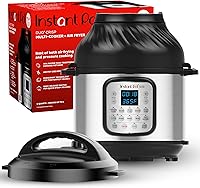
The Instant Pot Duo 6 Qt 7-in-1 Electric Pressure Cooker, Stainless Steel suits households that want one 6-quart appliance for regular meals and common cooking tasks.
Its 7 functions cover pressure cooking, slow cooking, sautéing, steaming, rice, yogurt and keeping food warm. Thirteen one-touch smart programs add preset options for recipes such as soups and cakes.
The stainless steel cooking pot has an 18/8 stainless steel construction with a tri-ply bottom. That design supports searing and sautéing before you switch to pressure cooking.
An easy-release steam switch handles steam release, and the automatic operation uses push-button controls. The appliance measures 12.2 in deep, 13.38 in wide and 12.48 in high, so measure your counter and storage space before choosing a permanent location.
The Instant Pot is a strong general cooker, but its listed functions do not by themselves establish that it is a pressure canner. For preservation, use an appliance and method that specifically match your canning plan.
How much jar capacity do you need?
Choose the largest capacity that fits your expected batch without making storage and handling difficult. The NESCO's 9.5-quart size gives it a clear space advantage over the 6-quart Cosori and Instant Pot for larger preservation sessions.
Jar capacity is not the same as liquid capacity. Pot shape, rack design, and the space needed around jars affect how many containers you can process safely.
A bigger pot does not automatically mean more usable jar space. Jar height and diameter affect what fits inside, and you still need room for liquid and steam movement during processing.
For preserving, that layout matters more than it does for soup. A meal can fill most of the pot, but jars need separation and support from the rack.
The NESCO NPC-9 has a 9.5-quart removable nonstick inner pot with canning and steam racks. That setup is aimed at processing multiple jars per batch and keeps jars off the pot base.
The Cosori and Instant Pot are both 6-quart models. Their smaller size works well for meals and steaming, but leaves less room for several jars in one cycle.
Size also affects daily use. The NESCO is rated at 22 pounds and measures 14.17 inches deep, 15.27 inches wide and 16.53 inches high.
That is a substantial appliance to move and store.
The Cosori is lighter at 11.9 pounds and measures 12.6 inches deep, 13.4 inches wide and 12.5 inches high. The Instant Pot measures 12.2 inches deep, 13.38 inches wide and 12.48 inches high and weighs 14.6 pounds.
A smaller cooker may be enough if you mainly prepare meals. A dedicated canner becomes more attractive when you preserve garden produce, broths, meats or sauces in repeated batches.
Cleanup also matters after a full batch. A removable inner pot, a washable rack, and the NESCO removable condensation catcher help tidy steam-heavy cycles.
If stainless steel construction is a priority, compare our guide to stainless steel pressure cooker for canning. It focuses on material choice and preservation needs rather than cooking presets alone.
What safety and setup details matter?
Start with a stable counter, enough clearance to release steam safely and a lid that locks before pressure builds. Never force open a pressurized lid, and wait for the float valve or pressure indicator to return to its safe position.
Read the appliance instructions before the first batch. Confirm how the lid closes, how the valve operates, where steam exits and which parts can be removed for cleaning.
The Cosori uses orange alignment dots to guide lid closure. The NESCO uses a safety lock lid, automatic float valve and pressure regulation system.
The Instant Pot uses an easy-release steam switch.
Use the correct rack and inner pot for the task. Keep the sealing area, valve and condensation parts clean, and allow removable components to dry before storage.
Canning also requires recipe-specific preparation. Follow tested directions for food acidity, jar preparation, headspace, processing time and altitude instead of changing a recipe because an appliance has a convenient preset.
Is a stovetop canner a better alternative?
A stovetop canner may suit you better if you already have a compatible burner, prefer manual control, or want a larger traditional setup. Electric models are more appealing when automated controls and countertop use matter most.
The main trade-off is control style. A stovetop canner usually asks you to watch the burner, adjust heat and respond to pressure changes.
An electric canner shifts some of that work to the appliance. The NESCO NPC-9 automatically regulates pressure and temperature for its dedicated canning function.
Its digital display, preset programs and timer support controlled, repeatable cycles.
That automation can help with consistency across batches. You set the program, and the appliance follows the cycle without constant dial adjustment.
It can also feel calmer for beginners who do not want to manage a stovetop through a long processing session.
The trade-off is size and focus. The NESCO is a 9.5-quart countertop appliance at 22 pounds, so it needs stable counter space and a plan for storage.
It is more specialized than a small cooker and may be more appliance than a small kitchen needs for occasional use.
A stovetop setup has its own space demands. You need a compatible burner, room for steam release and a safe place to move a hot, heavy canner.
Electric models avoid the burner question but still need clearance around the lid and steam outlet.
Electric models can also multitask in the kitchen. The NESCO adds pressure cook, slow cook, steam and water bath modes, so it can move from preserving to family meals.
A stovetop canner may stay more focused on preservation, which can be an advantage or a limitation depending on your needs.
Setup and care differ as well. An electric model has a digital panel, a removable inner pot and racks that need regular cleaning.
A stovetop canner may have fewer electronic parts but still needs careful handling of hot metal, gaskets and pressure gauges.
Choose based on control style and how often you will preserve. If you enjoy manual control and already have a suitable burner, stovetop may fit.
If you want automated cycles and countertop convenience, electric may fit better.
For another approach, compare the best stovetop pressure cooker canner options before deciding. If you only need a general pressure cooker for meals, our best stovetop pressure cooker guide covers a different buying decision.
Do not use an air fryer as a substitute for a canner. Its hot circulating air is a separate cooking method, as explained in Can You Put Mason Jars In An Air Fryer?.
Which electric pressure cooker should you choose?
Choose the NESCO NPC-9 if home food preservation is the main reason you are shopping. Its dedicated canning design, 9.5-quart capacity, digital controls, pressure and temperature regulation, and included racks make it the most direct match.
The NESCO suits households preserving vegetables, meats, broths, sauces and other harvest foods. Its 9.5-quart removable nonstick inner pot, canning rack and steam rack support multiple jars per batch.
The safety lock lid, automatic float valve and pressure regulation system also fit a preservation-first routine.
That focus comes with trade-offs. The NESCO weighs 22 pounds and measures 14.17 inches deep, 15.27 inches wide and 16.53 inches high.
You need enough counter space, storage space and strength to move it safely when it is loaded.
Choose the Cosori if daily cooking comes first and you want a 6-quart appliance with a ceramic-coated pot, steam rack and many cooking functions. Its listed functions include pressure cooking, rice, steaming, sterilizing, oatmeal or porridge, stew or broth, beans or grains, meat or poultry and slow cooking.
The Cosori also includes sauté, ferment, sous vide and keep warm functions. Its stainless steel housing is fingerprint resistant, and the lid, ceramic-coated inner pot and accessories are dishwasher safe.
Those details suit frequent meal prep and easier cleanup.
Choose the Instant Pot if you want a familiar 6-quart stainless steel cooker for pressure cooking, rice, yogurt, steaming, sautéing and warming. Its 7 functions and 13 one-touch smart programs cover common recipes from soups to cakes.
The Instant Pot pot uses 18/8 stainless steel with a tri-ply bottom, which supports searing and sautéing before pressure cooking. Its easy-release steam switch and push-button controls also fit a straightforward routine.
The appliance measures 12.2 inches deep, 13.38 inches wide and 12.48 inches high.
For canning specifically, do not let a long list of presets decide the purchase. The Cosori and Instant Pot are presented as electric pressure cookers, not dedicated pressure canners.
The NESCO is the model here built around dedicated electric pressure canning.
The key decision is not the largest list of presets. Match the appliance to the preservation method, batch size and level of control you plan to use, then follow current tested canning instructions for every jar.
Frequently asked questions
What is the best electric pressure cooker for canning?
The best choice is an electric pressure canner designed for home food preservation, with controls for pressure and temperature and enough room for your jars. The NESCO NPC-9 is the most focused option here because it is built for pressure canning and includes canning and steam racks.
Can you use an electric pressure cooker for canning?
You should not assume that every electric pressure cooker is suitable for pressure canning. Check that the appliance is specifically designed for the type of preservation you plan to do, then follow current tested instructions for food, jar size, processing time and altitude.
How much capacity do I need in an electric pressure canner?
Choose capacity based on your largest planned batch and the space needed around your jars. A 9.5-quart canner gives more room for multiple jars than a 6-quart pressure cooker, while a smaller cooker may suit meals, steaming and other daily tasks.
Is a pressure canner also useful for everyday cooking?
Some pressure canners also cook everyday foods, but their extra size and preservation features may be more than you need for routine meals. The NESCO NPC-9 adds pressure cook, slow cook, steam and water bath modes, while the Cosori and Instant Pot focus more on general cooking.