Vacuum Sealer vs Freezer Bags: Which Should You Use? (November 2026)
Pick a vacuum sealer for longer freezer storage and less air, and pick freezer bags for low cost and easy daily use. In this vacuum sealer vs freezer bags comparison, the right choice depends on how long food will stay frozen and how often you will open each package.
On this page (11 sections)
- Quick verdict: vacuum sealer vs freezer bags
- The two sides side by side
- How sealing performance decides the winner
- Freezer burn and food quality over time
- Convenience in daily kitchen use
- Portion size and freezer space
- Cost and ongoing supplies
- Which foods suit each method best
- Setup, care and learning curve
- Who should buy which option
- Vacuum sealer vs freezer bags: final decision
Pick a vacuum sealer for longer freezer storage and pick freezer bags for low cost and easy daily use. This vacuum sealer vs freezer bags guide compares seal quality, freezer burn protection, portion size, cost and convenience with specific products on each side.
Our score weighs specs, features and buyer feedback against what you're shopping for. We compared the specs, features and included items for each product below.
A vacuum sealer removes air and then seals the package. A freezer bag traps some air inside, even after you press it out by hand.
That gap in air removal drives most of the difference in freezer burn protection. It also drives differences in texture, flavor and how long food stays at its best.
 Best for small kitchens and travel
Chef Preserve Compact Vacuum Sealer for Food
 Best for countertop custom sealing
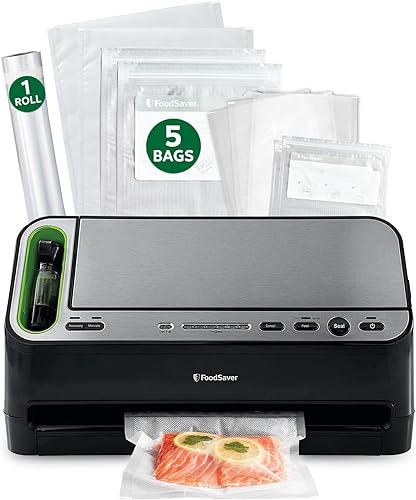
FoodSaver V4400 2-in-1 Vacuum Sealer Machine
Quick verdict: vacuum sealer vs freezer bags
Vacuum sealers win for long term freezer storage, while freezer bags win for short term storage and everyday access. Choose the tool that matches how long each food will stay frozen.
The Chef Preserve Compact Vacuum Sealer for Food scores 9.7 for compact vacuum sealing. It comes with 30 reusable bags and works as a portable handheld sealer.
The FoodSaver V4400 2-in-1 Vacuum Sealer Machine scores 9.6 for custom countertop sealing. For a portable option, see the FoodSaver Mini handheld vacuum sealer review.
It makes bags from a roll and includes a starter kit.
The Ziploc Gallon Freezer Bags score 9.5 for bulk storage. They hold 1 gallon per bag and come as 132 total bags in a 2 pack.
The Ziploc Quart Freezer Slider Bags score 9.4 for single portions. They hold 1 quart per bag and come as 136 total bags in a 4 pack.
Our food vacuum sealer buying guide can help you decide if you need a handheld unit or a countertop model.
The two sides side by side
The vacuum sealer side removes air for a tighter seal, while the freezer bag side keeps storage simple and low cost. The table below sums up the practical gap.
| Factor | Vacuum sealers | Freezer bags |
|---|---|---|
| Air in package | Most air removed before sealing | Some air stays after pressing out |
| Freezer burn protection | Stronger for long storage | Helps for short storage |
| Start cost | Higher, machine plus bags | Lower, bags only |
| Portion size | Custom or small reusable bags | Fixed quart or gallon sizes |
| Opening and resealing | Needs a new seal for full protection | Zip or slider closes again |
| Space in freezer | Flat packs stack well | Bulky packs take more room |
Vacuum sealing suits food you will not touch for months. Freezer bags suit food you will use within weeks.
Neither option fixes food that was already spoiled. Start with fresh food, freeze it promptly and label every package with the date.
How sealing performance decides the winner
Vacuum sealing wins on seal quality because it removes air instead of trapping it. That tighter seal limits the air contact that leads to freezer burn.
The FoodSaver V4400 uses automatic bag detection to start the cycle. It also uses automatic moisture detection to switch to the correct mode for moist food.
Chef Preserve says its handheld sealer vacuum seals a bag in 5 seconds. It then shuts off automatically when the seal is done.
These details matter for soup, sauces and marinated meat. Moisture around the seal can weaken a seal, so a machine that detects moisture has a real edge.
Freezer bags rely on a zip or slider closure. You press out air by hand, but you cannot remove air as fully as a vacuum cycle.
Ziploc gallon bags use a zipper closure and a stand up stay open design. The design makes filling easier, but the seal still depends on your hand pressing.
Ziploc quart slider bags use a slider closure that seals at first slide. That closure is quick to use, yet it still traps some air inside the bag.
For ground beef, poultry or seafood kept for months, tighter air removal matters more.
Freezer burn and food quality over time
Vacuum sealing protects texture and flavor longer because less air touches the food surface. Freezer bags still help, but they leave more room for dry spots.
Ziploc says its gallon freezer bags help prevent freezer burn for up to 12 weeks in testing on ground beef. That time frame gives you a useful limit for bag only storage.
FoodSaver says meat preserved with its system in the freezer can last up to 3 years and still taste fresh. That claim applies to its vacuum sealing system, not to freezer bags.
Chef Preserve says its bags are odor free and leak proof. It also says the bags help preserve flavor, nutrition and texture.
Read those claims as brand statements, not as promises for every food. Fatty meat, lean meat, fish and vegetables all respond differently to freezing.
Label each package with the food name and freeze date. A date label turns any storage method into a rotation system you can trust.
For freezer bags, press out air before you close the zip or slider. Lay packs flat to freeze, then stack them so air pockets do not form.
Convenience in daily kitchen use
Freezer bags win for daily use because you can open, take some food and close the bag again in seconds. Vacuum packs need more steps each time you open them.
The Ziploc quart slider bag suits that routine with a one handed closure. The Ziploc gallon bag uses a zipper and a stand up bottom that makes filling easier and helps reduce spills.
Chef Preserve aims to close that gap with reusable bags. Compare reusable vacuum sealer bags for more options.
Its bags are dishwasher, freezer, refrigerator and microwave safe, and they are BPA free, so leftovers can be sealed, stored, reopened and sealed again without cutting a new bag.
The FoodSaver V4400 suits a different routine. If you use an Anova sealer, compare Anova sealer bags and rolls for compatible supplies.
Its built in roll storage and cutter let you make custom sized bags when a quart is too small and a gallon is too large.
Our guide on how to use a NESCO vacuum sealer shows the steps for a countertop machine, and those steps transfer well to other automatic models.
Portion size and freezer space
Choose vacuum sealing for exact portions and freezer bags for easy grab and go sizes. Portion size affects waste as much as seal quality.
The Chef Preserve set includes 30 bags total. It breaks down as 15 small bags and 15 medium bags, grouped into 3 packs of 10 bags.
That mix suits snacks, leftovers and small amounts of dry goods. It also suits a small kitchen where large gallon packs would take too much room.
The FoodSaver starter kit includes an 11 inch by 10 foot vacuum seal roll, plus quart and gallon bags. That starter kit lets you test custom sizes before you buy more rolls.
The Ziploc gallon bags fit bulk meat, family size vegetables and large batches of soup. Their 11.31 inch by 10 inch size works well for flat stacking.
The Ziploc quart slider bags fit single servings, lunch portions and small amounts of berries or peas. Their 9.06 inch by 3 inch shape suits drawer style freezer storage.
Think about your normal week before you choose. Single portions suit solo meals, while gallon packs suit family cooking and bulk shopping.
Cost and ongoing supplies
Freezer bags cost less to start, while vacuum sealers can cost less per long term pack in some routines. Your shopping habits decide which total cost feels lower.
Freezer bags need no machine and no extra tools. You buy bags, fill them, press out air and freeze them.
The Ziploc gallon pack includes 132 total bags. The Ziploc quart pack includes 136 total bags.
Those large counts suit frequent freezer prep and let you keep bags near the freezer.
Vacuum sealing adds a machine cost at the start. The Chef Preserve unit is battery powered and rechargeable, with a charging cable included.
Chef Preserve says one battery charge can vacuum seal 1000 bags. That figure suits travel, RV use and camping as well as home use.
The FoodSaver V4400 is a countertop unit with roll storage and a cutter. You will need replacement rolls or pre made bags as you use the starter kit.
Rolls let you cut bags to size, which can reduce waste. Pre made bags save time but lock you into fixed sizes.
Our list of best vacuum sealer bags for FoodSaver helps if you plan to use rolls and pre made bags often.
Which foods suit each method best
Vacuum sealing suits meat, fish, meal prep and dry goods kept for months, while freezer bags suit foods you will use soon. Match the method to the storage time first.
Vacuum sealing suits bulk meat, poultry and seafood. Removing air helps these foods resist freezer burn during longer storage.
It also suits cooked meal portions, soups and sauces. Flat vacuum packs freeze fast and stack well in a crowded freezer.
Dry goods benefit from vacuum sealing when air and moisture cause staleness. Pantry staples, coffee and specialty ingredients can stay fresher in a tight seal.
Freezer bags suit fresh vegetables you will cook within weeks. They also suit berries, bread and snacks that you open often.
Leafy greens and delicate fruit can bruise under vacuum pressure. Freezer bags give you more control over how much pressure the food feels.
Our Best Air Fryer Storage Bag guide covers storage for cooked air fryer food. It pairs well with either method when you plan quick reheating.
Raw meat needs care with any reusable bag. Ziploc says not to reuse its bags after storing raw meat, fish, eggs or allergy triggering foods.
Setup, care and learning curve
Freezer bags need no setup, while vacuum sealers need a few minutes to learn and a clean sealing area. That gap matters if you store food in a hurry.
Freezer bags work as soon as you open the pack. Fill the bag, press out air, close it, label it and freeze it.
Vacuum sealers need a clean bag edge and a dry sealing surface. Moisture or food bits on the edge can break the seal.
The FoodSaver V4400 has a patented removable drip tray that catches overflow liquid. The tray is dishwasher safe, which makes cleanup easier after moist foods.
The Chef Preserve sealer is handheld and portable. It is about the size of a pepper grinder, according to the brand, so it stores in a drawer.
Its included parts are a charging cable, vacuum bags and a zipper clip, and the full package weighs 2.2 pounds.
Chef Preserve offers a 60 day money back guarantee and a 2 year warranty. FoodSaver backs the V4400 with a 5 year limited warranty in its description.
If you plan to seal Mylar bags for dry goods, read our best vacuum sealer for Mylar bags guide. Bag material rules differ from standard freezer storage.
Who should buy which option
Buy a vacuum sealer if you freeze bulk food for months, and buy freezer bags if you freeze weekly portions for short storage. Your freezer habits matter more than kitchen size alone.
Choose the Chef Preserve Compact Vacuum Sealer for Food if you want portable vacuum sealing. Its reusable bags, battery power and compact size suit small kitchens, travel and RV use.
Choose the FoodSaver V4400 2-in-1 Vacuum Sealer Machine if you want a countertop system. Its roll cutter, automatic detection and starter kit suit regular meal prep and bulk meat storage.
Choose the Ziploc Gallon Freezer Bags if you buy meat and vegetables in bulk. Their gallon capacity, stand up design and 132 bag count suit family size storage.
Choose the Ziploc Quart Freezer Slider Bags if you prep single portions. Their slider closure, quart size and 136 bag count suit lunches, snacks and quick meals.
Our NutriChef vacuum sealer review covers another countertop option in the same category. For large scale freezing, our best commercial chamber vacuum sealer guide covers a different class of machine that home cooks rarely need.
Vacuum sealer vs freezer bags: final decision
Use vacuum sealing for long term frozen food and freezer bags for short term everyday storage. Many kitchens get the best result from both methods.
Start with your longest storage time. If food will stay frozen for months, vacuum sealing gives you stronger air removal and better freezer burn protection.
If food will be used within weeks, freezer bags save money and save time. Their zip and slider closures make daily opening simple.
Split your freezer by time frame. Put bulk meat and batch meals in vacuum packs, and put weekly portions in freezer bags.
That split also helps with mason jar storage. Our best handheld vacuum sealer for mason jars guide covers a handy option for dry goods and pickles.
Pick the Chef Preserve for compact reusable vacuum storage. Pick the FoodSaver V4400 for custom countertop sealing from rolls.
Pick Ziploc gallon bags for bulk freezer packs. Pick Ziploc quart slider bags for single portions you open often.
Our score weighs specs, features and buyer feedback against what you're shopping for. Use your storage time, portion size and opening habits as the final tie breakers.
Frequently asked questions
Is a vacuum sealer better than freezer bags?
A vacuum sealer is better when food will stay frozen for months or when air causes freezer burn. Freezer bags are better for short storage, low upfront cost and food you open often.
Many households use both: vacuum seal bulk meat for long storage and freezer bags for weekly portions.
Do freezer bags prevent freezer burn?
Freezer bags help reduce freezer burn by limiting air exposure, but they cannot remove all the air. Ziploc says these gallon bags help prevent freezer burn for up to 12 weeks in testing on ground beef.
Vacuum sealing removes more air, so it gives stronger protection for longer periods.
Which is cheaper, a vacuum sealer or freezer bags?
Freezer bags are cheaper to start because you only buy bags. A vacuum sealer adds the machine cost plus replacement bags or rolls, but vacuum sealed food can stay fresh longer.
If you freeze bulk food often, the reduced waste may offset the higher start cost.
Can I vacuum seal food in freezer bags?
You need bags made for vacuum sealing or a handheld system with matching reusable bags. Standard freezer bags do not work with a countertop vacuum sealer because the seal chamber needs the correct bag material.
Check bag compatibility before you buy extra bags or rolls.
What food should not be vacuum sealed for the freezer?
Avoid vacuum sealing raw garlic and onions in oil, and follow safe food guidance for low acid foods kept at room temperature. Freezing changes texture in some fresh produce, so some cooks prefer freezer bags for berries and leafy greens.
When in doubt, freeze, refrigerate or cook food in a way that suits its type.



