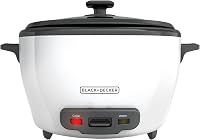
How to Cook Brown Rice in a Tiger Rice Cooker
Use the Brown Rice setting when your Tiger rice cooker has one, then follow that model's water line and measuring cup. If your model lacks a brown rice menu, use its instructions for whole-grain rice and check the texture before changing the ratio.
On this page (9 sections)
- How do you cook brown rice in a Tiger rice cooker?
- Which Tiger brown rice setting should you use?
- Do you need to soak brown rice first?
- How much water should you add?
- What should you do if your Tiger cooker has no brown rice menu?
- Which rice cooker features help with brown rice?
- Can a slow cooker replace a Tiger rice cooker?
- How do you fix hard or mushy brown rice?
- What is the simplest rule for Tiger brown rice?
Use the Brown Rice setting and the matching water line to cook brown rice in a Tiger rice cooker. Rinse the grains, measure them with the correct cup, add water to the brown rice mark, close the lid, and start the cycle.
Tiger rice cookers differ by model. Some have a dedicated Brown Rice menu, while others use a whole-grain setting or require a manual ratio.
The control panel and bowl markings matter more than a general recipe.
How do you cook brown rice in a Tiger rice cooker?
Rinse, measure, fill to the brown rice line, select Brown Rice, and let the cooker finish. Keep the lid closed during cooking and use the cooker’s rest period before fluffing.
- Measure brown rice with the cup that came with your cooker.
- Rinse the rice until the water is less cloudy, if your instructions allow rinsing.
- Put the rice in the inner bowl and level it.
- Add water to the Brown Rice line for the number of cups.
- Place the bowl in the cooker and close the lid firmly.
- Select Brown Rice, then press Start or Cook.
- Let the cycle finish and rest as directed.
- Fluff gently with a rice paddle.
Don't use the white rice line for brown rice unless Tiger specifically tells you to. Brown rice needs a different cooking program or moisture level in many cookers.
Which Tiger brown rice setting should you use?
Choose Brown Rice when it appears on the menu. If it is not available, check whether your Tiger model names the option Whole Grain, Multigrain, GABA Brown, or another similar term.
Avoid treating every Tiger cooker as interchangeable. A basic model may use a simple switch, while a computerized model may adjust heat and timing through a menu selection.
The safest order is:
- Read the menu names printed on your control panel.
- Check the manual for brown rice instructions.
- Use the brown rice water scale inside the bowl.
- Select the matching program.
- Keep the lid closed until the cycle ends.
If your model has no brown rice program or water line, follow its manual instead of borrowing settings from another Tiger model. For a wider explanation of cooker types, see this rice cooker automatic buying guide.
What is the basic Tiger rice cooker brown rice method?
The basic Tiger rice cooker brown rice method is to use the supplied cup, the brown rice scale, and the Brown Rice menu. The cooker should determine the cooking time for that program, so don't stop it when the grains still feel firm.
After cooking, leave the rice covered for the suggested rest period. Open the lid carefully, release excess steam away from your face, and fluff from the bottom with a paddle.
Do you need to soak brown rice first?
Soaking is not always required. Use it only when your Tiger manual recommends soaking or when you prefer softer grains and can follow a matching water instruction.
A soak can help the bran layer absorb water before cooking. However, soaked rice may need less added water than dry rice, and the correct change depends on the model.
If the first batch is firm, don't soak and increase water at the same time. Change one part of the method so you can tell what improved the texture.
For another brand's approach, compare how to cook brown rice in an Aroma rice cooker. The same principle applies: follow the markings and program for that specific bowl.
How much water should you add?
Start with the brown rice mark inside the Tiger bowl. Fill the water to the line for the number of cups you measured, keeping the bowl on a flat surface while you check it.
Do not add cups based on the package's cooked yield. Rice cooker cups are not always the same as kitchen measuring cups, and the bowl scale is designed for the supplied rice cup.
If the rice is hard after a complete Brown Rice cycle, inspect the process before changing the ratio. Check that:
- You used brown rice rather than a mixed rice blend.
- You measured with the correct cup.
- The inner bowl was seated properly.
- The selected menu was Brown Rice.
- The lid stayed closed during the cycle.
- The water line was read at eye level.
You can make a small adjustment on the next batch if the manual permits it. Avoid adding a large amount of water because soft, wet rice can be harder to correct than firm rice.
What should you do if your Tiger cooker has no brown rice menu?
Use the manual's whole-grain or alternate-rice instructions if available. If there is no matching guidance, the model may not be designed to cook brown rice automatically with the same results as a cooker with a dedicated program.
You can still check the bowl for a brown rice scale or another whole-grain marking. If neither exists, contact Tiger or consult the manual for your exact model before choosing a ratio.
The guide to can you use brown rice in a rice cooker explains why a cooker can handle brown rice in principle but still need the right setting and water amount.
Which rice cooker features help with brown rice?
A dedicated brown rice menu is the most useful feature because it pairs the cooking cycle with the grain type. A clear bowl scale, delayed start, keep-warm function, and removable parts can also make routine cooking easier.
The Zojirushi NS-ZCC10 includes menu choices for brown rice, semi-brown rice, white rice, porridge, and quick cooking. Its computerized controls, timer, automatic keep-warm, extended keep-warm, and reheat cycles suit readers who want several rice options in one cooker.
The NS-ZCC10 is a 5.5-cup cooker with a spherical nonstick inner pan and a supplied measuring cup. Use its own menu and bowl markings rather than transferring Tiger settings.
The Zojirushi NS-TSC10 has micro computerized fuzzy logic, automatic keep-warm, extended keep-warm, reheating, and a Steam menu. It is another option for readers who want a 5.5-cup rice cooker with programmable functions.
Check each cooker’s controls before buying. A machine with a brown rice menu is easier to set up for this task than one that leaves the water ratio entirely to you.
For more model comparisons, see the best Tiger rice cooker Micom options and the best rice cooker for brown rice.
Can a slow cooker replace a Tiger rice cooker?
A slow cooker isn't a direct replacement for a Tiger rice cooker. It can cook some rice dishes, but it does not provide the same rice-specific bowl markings, menu, or automatic rice cycle.
The Crock-Pot 7-Quart Manual Slow Cooker has High, Low, and Warm settings, plus a removable stoneware insert. It may help with a large one-pot meal, but it is not the right match for someone who wants a dedicated brown rice program.
Use the slow cooker only with a recipe written for that appliance. Do not assume its settings match a Tiger rice cooker or that its capacity makes it better for a small batch of brown rice.
You can find more rice meal ideas in how to make meals in a rice cooker. For a different appliance question, see can you cook rice in an air fryer or how to cook hash browns in an air fryer.
How do you fix hard or mushy brown rice?
Fix hard rice by checking the menu, water line, cup, and cooking time first. Fix mushy rice by measuring carefully on the next batch and avoiding extra water added before you know the cause.
Hard grains can result from too little water, an interrupted cycle, or a setting meant for white rice. If the cooker finished normally, let the rice rest before judging it because the center may still be absorbing steam.
Mushy rice can result from too much water, soaking without changing the method, or mixing rice types. If a bowl or accessory is damaged, check Tiger rice cooker replacement parts for a model-compatible replacement.
Clean the inner bowl and lid parts as directed so starch does not affect the next batch.
Make one change per attempt. That gives you a clearer answer than changing the rice, soak time, water, and menu together.
What is the simplest rule for Tiger brown rice?
Use the Brown Rice program and its matching bowl line whenever your Tiger model has them. If it doesn't, use the exact manual for that model and avoid copying settings from another cooker.
Pick a Tiger model with a dedicated brown rice menu if you cook whole grains often. Pick a different computerized rice cooker only after checking that its menu and water markings suit your routine.
Frequently asked questions
How much water do you put in a Tiger rice cooker for brown rice?
Use the brown rice water line inside your Tiger bowl when your model has one, and measure rice with the supplied cup. If there is no brown rice line, follow the manual's whole-grain ratio rather than guessing, because bowl markings and programs vary by model.
How long does brown rice take in a Tiger rice cooker?
Brown rice usually takes longer than white rice because the bran layer needs more time to soften, but the exact cycle depends on the Tiger model and selected menu. Use the cooker’s completion signal, then allow the recommended rest time before opening.
Should you soak brown rice before using a Tiger rice cooker?
Soaking is optional unless your Tiger manual recommends it for your model or rice type. A soak can soften the grains before cooking, but it also changes the moisture balance, so use the instructions for soaked rice if they are included.
Why is brown rice still hard in my Tiger rice cooker?
Hard brown rice usually points to the wrong menu, too little water, an inaccurate measuring cup, or opening the lid before the cycle finishes. Select Brown Rice when available, use the correct cup and line, and make one small adjustment only after checking the manual.