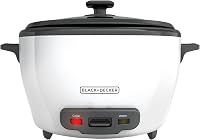
How to Cook Brown Rice in an Aroma Rice Cooker
To cook brown rice in an Aroma rice cooker, rinse and measure the rice with the cooker’s cup, add water to the matching brown rice line, and select the Brown Rice setting. Let it rest briefly after cooking, then fluff.
On this page (10 sections)
- How do you cook brown rice in an Aroma rice cooker?
- How do the Aroma water lines and cup markings work?
- Should you rinse or soak brown rice first?
- How can you adjust the texture of Aroma brown rice?
- Which Aroma settings work for brown rice?
- Can you cook other grains in an Aroma rice cooker?
- Which rice cooker features help with brown rice?
- Why might brown rice stick or scorch in the cooker?
- How should you store leftover brown rice?
- What’s the simplest way to get consistent brown rice?
To cook brown rice in an Aroma rice cooker, rinse and measure the rice with the cooker’s cup, add water to the matching brown rice line, and select the Brown Rice setting. Let it rest briefly after cooking, then fluff.
Aroma models vary, so use the manual for your specific cooker whenever its menu or pot markings differ. For model-specific guidance on another brand, see how to use a Cuckoo rice cooker.
The cooker’s cup and inner-pot lines are designed to work together, which is why a standard kitchen cup can throw off the water level.
How do you cook brown rice in an Aroma rice cooker?
Use the Brown Rice setting and matching water line when your model has both. The basic method is to measure, rinse, add water, start the cycle, and let the rice rest before serving.
- Measure brown rice with the cup supplied with your cooker.
- Rinse it in a separate bowl or fine strainer, then drain well.
- Put the rice in the inner pot and add water to the brown rice line matching your number of cooker cups.
- Wipe the outside and bottom of the pot dry, then seat it in the cooker.
- Select Brown Rice and press Start.
- When the cycle ends, leave the lid closed for about 10 minutes, then fluff with a rice paddle.
The 10-minute rest is a practical starting point, not a substitute for model instructions. If your manual gives a different resting time, follow it.
For more context on whether this grain works in countertop cookers, see can you use brown rice in a rice cooker.
How do the Aroma water lines and cup markings work?
The inner-pot line is the water target, and the included cup tells you how much uncooked rice corresponds to that target. Add rice first, then water up to the line labeled for brown rice and the number of cups you measured.
The small cup that comes with a rice cooker may not hold the same amount as a standard US measuring cup. Use the same cooker cup each time, and don’t fill the pot past its maximum line.
If the pot has separate white and brown rice marks, use the brown rice mark. Brown rice needs a different cooking cycle and water amount than white rice, so a white rice line can give you a disappointing result.
What if your Aroma cooker has no brown rice line?
If there’s no brown rice marking, check the manual for the model’s ratio or instructions. Some cookers have different menu options or pot markings, so a ratio from another Aroma model may not apply.
If the manual gives a ratio rather than a line, measure rice and water with consistent units. Don’t combine a cooker cup of rice with a standard cup of water unless the instructions specify that method.
Should you rinse or soak brown rice first?
Rinse brown rice until the water runs mostly clear, then drain it before adding it to the pot. This clears loose starch and debris without changing the cooker’s water target.
Soaking is optional unless your manual recommends it. It can help soften the grain, but it also adds water to the rice, so drain it well and check the manual before changing the cooker’s water amount.
Avoid adding salt, oil, or other ingredients until you know how your cooker handles a plain batch. Once you have a reliable result, you can adjust seasoning or try a recipe from our guide to rice cooker recipes.
How can you adjust the texture of Aroma brown rice?
For firmer grains, use the marked water level and let the rice rest before opening the lid. For softer rice, try a small increase in water on the next batch rather than changing several things at once.
Make a note of the rice type, cooker-cup amount, water line, and result. Brown rice varieties can vary, so a small adjustment may be needed to suit your taste.
If the rice is wet or mushy, reduce water slightly next time and make sure the rice was drained after rinsing. If it is dry or hard, add a little more water or allow a longer rest, then reassess the next batch.
What should you do if the rice is still hard?
If the rice is hard when the cycle ends, close the lid and give it more time on Warm before serving. Some models may need a little extra steaming time, but consult the manual before starting another full cycle.
If there is no remaining water and the grains are still firm, sprinkle in a small amount of hot water, close the lid, and use the cooker’s method for reheating or restarting. Add water cautiously to avoid turning the rice soggy.
Which Aroma settings work for brown rice?
Choose Brown Rice if the menu offers it. The cycle is meant for brown rice’s longer cook time, while a standard white rice option may stop before the grains soften.
If the panel uses a multi-grain or whole-grain setting instead, check the manual to see whether it covers brown rice. Don’t assume that a quick cook or steam setting will cook raw brown rice properly.
Some Aroma cookers use a one-touch switch while others have digital menus. The buttons vary, but the key is using the cycle identified for brown rice by the model’s instructions.
Can you cook other grains in an Aroma rice cooker?
You can cook other grains in some Aroma models, but the suitable setting and water ratio depend on the grain and cooker. For breakfast, see oatmeal in an Aroma rice cooker.
Quinoa cooks differently from brown rice, so use the method in our guide to quinoa in an Aroma rice cooker.
If you’re comparing brands, our walkthrough of Tiger rice cooker brown rice covers a different cooker’s approach. For shopping options, see our guide to the best Aroma rice cooker and our overview of automatic rice cookers.
Which rice cooker features help with brown rice?
A dedicated brown rice menu helps because it gives the grain a specific cycle. The Zojirushi NS-ZCC10 includes a Brown menu, along with semi-brown, white, mixed, porridge, sweet, rinse-free, and quick cooking options.
The Zojirushi NS-TSC10 has a 5.5-cup uncooked capacity, keep-warm functions, and a Steam menu. For a broader appliance comparison, see rice cookers vs steamers.
Its listed features do not name a brown rice menu, so check the control options and instructions before choosing it specifically for brown rice.
A slow cooker is for a different task. The 7-quart Crock-Pot has High, Low, and Warm settings for slow-cooked meals, rather than a rice-specific menu.
Why might brown rice stick or scorch in the cooker?
Brown rice can stick when there’s too little water, the cooking pot isn’t seated correctly, or the cooker’s cycle doesn’t suit the grain. For help matching capacity to your household, see our rice cooker size guide.
Measure with the supplied cup, use the appropriate line, and check that the pot’s underside is dry before starting.
A thin layer at the bottom can also form during a long cycle. Let the rice rest with the lid closed, then loosen it gently with a rice paddle instead of scraping the pot with metal utensils.
If rice scorches repeatedly, stop using the same water adjustment and check the manual. Confirm that the inner pot and heating surface are clean and that the cooker is on a level surface.
How should you store leftover brown rice?
Move leftover rice into a shallow container and refrigerate it promptly. Keep it covered, and reheat only the portion you plan to eat.
For a simple serving choice, pair the rice with vegetables, beans, or a main dish. If you want to see how a rice cooker can support full meals, our rice cooker recipes guide has more ideas.
What’s the simplest way to get consistent brown rice?
For brown rice in an Aroma rice cooker, use the included cup, rinse and drain the grains, fill to the matching brown rice line, and choose the Brown Rice menu. If you are comparing brands, see Tiger vs Zojirushi rice cookers.
Give the cooked rice a short rest before fluffing, then adjust water slightly on the next batch if the texture needs fine-tuning.
Use the manual’s method if your pot has no brown rice mark or the menu has different names. If you’re comparing cooking methods, read can you cook rice in an air fryer and how to cook hash browns in an air fryer for other appliance options.
Frequently asked questions
How much water do you use for brown rice in an Aroma rice cooker?
Use the brown rice water line that matches the number of cooker-cup measures of rice, if your Aroma model has one. The line is inside the pot, not a standard measuring cup amount.
If your model has no brown rice line, follow its manual’s water ratio and use the same cup for rice and water.
Which setting cooks brown rice in an Aroma rice cooker?
Choose the Brown Rice setting when your Aroma model has one. It allows a longer cooking cycle for brown rice than a standard white rice setting.
If your cooker lacks a brown rice menu, use the method in its manual, since cycle names and controls vary by model.
Should you soak brown rice before using an Aroma rice cooker?
Soaking is optional unless your Aroma manual calls for it. Rinsing removes loose surface starch, while soaking can soften the grains and shorten cooking time.
If you soak the rice, drain it and follow your model’s guidance for adjusting water so the finished rice does not turn mushy.
Why is brown rice still hard after cooking in an Aroma rice cooker?
Hard rice may need more water, a longer rest, or a second cook cycle, depending on the model and grain. Check that you used the cooker’s measuring cup and the brown rice line.
If the cooker switched to Warm early, consult the manual before restarting the cycle.