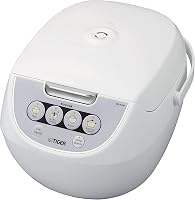
How to Use an Electric Rice Cooker
To use an electric rice cooker, measure rice with the included cup, rinse it if needed, add the correct water, choose a cooking setting, and let the cooker finish before resting the rice. Keep warm is useful for serving soon, but refrigerate leftovers promptly.
On this page (13 sections)
- How do you measure rice for an electric rice cooker?
- Should you rinse rice before cooking?
- How much water goes in an electric rice cooker?
- How do you start an electric rice cooker?
- Which electric rice cooker suits a beginner?
- How long should rice cook?
- What should you do after the rice finishes?
- How does keep warm work?
- Can a slow cooker replace an electric rice cooker?
- What should you do if rice is too hard or too soft?
- How do you clean an electric rice cooker?
- Can you make rice in an air fryer?
- What is the simplest electric rice cooker routine?
To use an electric rice cooker, measure rice with the included cup, add the right amount of water, choose a program, and let the cooker finish before opening it. Rest the rice briefly, fluff it with a rice paddle, and use keep warm only while you plan to serve it.
Start with the cooker on a dry, stable surface. Check that the inner pan sits correctly, the outside of the pan is dry, and the lid closes fully before connecting power.
How do you measure rice for an electric rice cooker?
Use the measuring cup supplied with your cooker, because its cup may not match a standard kitchen cup. Measure the uncooked rice first, then add it to the inner pan.
If your cooker has water lines inside the pan, level the rice before adding water and use the line that matches the number of cooker cups. Otherwise, follow the water ratio in the manual for that rice type.
Do not fill beyond the maximum mark. Rice expands as it cooks, and overfilling can cause bubbling or uneven cooking.
Should you rinse rice before cooking?
Rinse rice when the recipe or cooker instructions call for it. Put the measured rice in a separate bowl or the inner pan, add cool water, swirl gently, and drain until the water looks clearer.
Drain the rice well before adding the final cooking water. Extra water left from rinsing can make the finished rice softer than expected.
Some cookers include a rinse-free setting. Use it only for rice suited to that program, and follow the instructions for the specific rice you have.
How much water goes in an electric rice cooker?
Add the water marked for your rice type and amount. White rice, brown rice, mixed rice, porridge, and quick-cooking programs may use different settings or water levels.
Use the inner-pan markings when your cooker provides them. If you are using a new rice brand, begin with the cooker guidance, then adjust slightly on the next batch if the rice is too firm or soft.
Keep the rice and water below the maximum fill line. Wipe the outside and bottom of the inner pan before placing it into the cooker.
How do you start an electric rice cooker?
Place the inner pan in the cooker, close the lid, connect the cord, and select the matching menu setting. Press the start or cook button according to your model.
Keep the steam vent clear and avoid opening the lid during the main cooking cycle. Each opening releases heat and steam, which can change the result.
A basic cooker may begin cooking with one switch. Programmable models may offer settings such as regular white rice, softer or harder white rice, mixed rice, porridge, sweet rice, brown rice, rinse-free rice, or quick cooking.
The automatic rice cooker buying guide explains the difference between simple cookers and models with menu controls, timers, and automatic warming.
Which electric rice cooker suits a beginner?
A cooker with clear controls and several rice programs can help if you cook different types of rice. The Zojirushi Ns ZCC10 Neuro Fuzzy Rice Cooker uses a 5-1/2-cup uncooked capacity, 680 watts, an LCD clock and timer, and menu settings for white, mixed, porridge, sweet, semi-brown, brown, rinse-free, and quick cooking.
This model suits a household that wants more guidance than a single cook switch. Its automatic keep-warm, extended keep-warm, and reheat cycles also fit meals served at different times.
It includes 2 measuring cups, a nonstick rice spoon, a spoon holder, and recipes. Use the included cup for the most consistent measuring routine.
For brand-specific steps, see how to use an Aroma rice cooker. The button names and menu order can differ even when the cooking steps are similar.
How long should rice cook?
Let the selected program finish rather than relying on a fixed time. The cooker senses or follows the chosen cycle, then usually switches to keep warm when cooking ends.
White rice often cooks faster than brown rice or porridge. The amount of rice, water temperature, program, and cooker design also affect the cycle.
When the cooker signals that cooking is complete, wait a few minutes before opening if the manual recommends a rest period. Then fluff from the bottom with the supplied paddle.
What should you do after the rice finishes?
Open the lid carefully, fluff the rice, and serve it while the texture is at its best. Steam can escape quickly, so keep your face and hands away from the opening.
Use a plastic or nonstick-safe rice paddle to protect the inner pan. Do not cut or scrape the cooking surface with a metal utensil.
If you need to hold the rice for a short time, the rice cooker keep warm function can help you understand how warming affects serving and storage.
How does keep warm work?
Keep warm holds cooked rice at a serving temperature after the cooking cycle ends. It is useful when dinner is delayed briefly, but it should not replace prompt refrigeration for leftovers.
Keep the lid closed while rice is warming. Opening it repeatedly lets steam escape and can dry the rice around the edges.
The Zojirushi Ns TSC10 5.5 Cup Micom Rice Cooker has automatic keep warm, extended keep warm, and a reheating cycle. It holds up to 5.5 cups or 1.0 liter, uses 610 watts, and includes a steam menu.
This model fits readers who want rice cooking plus steaming in one appliance. Its clear-coated stainless steel exterior, retractable cord, and removable lid support a routine that includes regular cleaning.
The included items are a rice measuring cup, spatula, and spatula holder. Its care instructions call for hand washing, so keep the inner parts out of the dishwasher unless your manual says otherwise.
For timer setup on a related model, read how to set the Zojirushi rice cooker timer. For model-specific guidance, compare how to use a Zojirushi rice cooker.
Can a slow cooker replace an electric rice cooker?
A slow cooker is not a direct replacement for an electric rice cooker. It is built for slow cooking and warming food, while a rice cooker is designed around rice programs, water levels, and rice texture.
The Crock-Pot 7-Quart Manual Slow Cooker has high, low, and warm settings, a removable stoneware insert, and a 7-quart capacity. Its oval shape suits large meals rather than measured rice batches.
Choose it when your main need is slow-cooked food for a larger group. Choose an electric rice cooker when you want dedicated rice settings and a cooking cycle built around rice and water.
Its stoneware insert and lid are dishwasher safe, and the insert can be used in a microwave or oven up to 400°F. Those details help with general meal preparation, but they do not turn the appliance into a rice cooker.
What should you do if rice is too hard or too soft?
Adjust the water or program only after checking the rice type and measuring method. Hard rice may need more water or a longer program, while soft rice may need less water or better draining after rinsing.
Make one change at a time so you can identify what improved the texture. Check that the inner pan was seated correctly and that the lid stayed closed during cooking.
If rice sticks, let it rest briefly before fluffing. A nonstick pan and a suitable rice paddle can reduce scraping, but they cannot correct a large water mismatch.
For another cooker brand's controls, see how to use a Tiger rice cooker and how to use a Cuckoo rice cooker.
How do you clean an electric rice cooker?
Unplug the cooker, let it cool, and clean removable parts according to the manual. Wipe the exterior and control area with a damp cloth, and keep water away from the electrical base.
Wash the inner pan with a soft sponge that will not damage its cooking surface. Clean the lid, steam vent, and condensation areas as directed.
The Aroma rice cooker dishwasher safety guide can help when you own an Aroma model. For a Cuckoo model, see how to use the Cuckoo rice cooker auto clean function.
Never immerse the powered base unless the manufacturer specifically allows it. Dry the inner pan and outside bottom before placing it back in the cooker.
Can you make rice in an air fryer?
An air fryer is not the usual tool for cooking rice because it does not work like a rice cooker with a sealed inner pan and rice program. Some recipes may use a covered heat-safe dish, but the method depends on the air fryer and the recipe.
Read Can You Make Rice In An Air Fryer? before trying that approach. You can also compare Can You Cook Rice in an Air Fryer? for another method and its limits.
For repeatable rice, an electric rice cooker gives you a dedicated pan, measured water guidance, and a cycle intended for rice.
What is the simplest electric rice cooker routine?
Measure, rinse if needed, add water, select the program, cook, rest, fluff, and serve. Keep the inner pan dry outside, avoid opening the lid during cooking, and refrigerate leftovers promptly.
Choose the Zojirushi Ns ZCC10 Neuro Fuzzy Rice Cooker if you want several rice menus and timer controls. Choose the Zojirushi Ns TSC10 5.5 Cup Micom Rice Cooker if steaming and reheating matter.
Choose the Crock-Pot 7-Quart Manual Slow Cooker when your priority is large-batch slow cooking rather than rice programs.
Frequently asked questions
How much water do you put in an electric rice cooker?
Use the water amount marked in your rice cooker manual or inner pan for the rice you are cooking. Rice type, rinsing, and the cooker program can change the amount, so start with the guide for your model and adjust only after comparing the finished texture.
Do you rinse rice before putting it in a rice cooker?
Rinse rice when your recipe or cooker instructions call for it, using cool water until it runs clearer. Drain it well, then add the rice and water to the inner pan.
Rinse-free programs are designed for rice that does not need the usual rinsing step.
How long does an electric rice cooker take to cook rice?
Cooking time depends on the rice type, amount, program, and cooker. White rice often finishes sooner than brown rice, porridge, or mixed rice.
Let the cooker complete its cycle, then rest the rice briefly if the instructions recommend it.
Can you leave rice on keep warm?
Keep warm is intended for serving rice soon after cooking, not for storing it all day. Follow your cooker's instructions, keep the lid closed, and refrigerate leftovers promptly in a shallow container if you will not serve them soon.