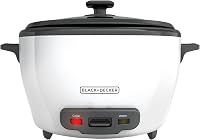
How to Cook Jasmine Rice in a Rice Cooker
Use 1 cup of jasmine rice with about 1 cup of water in a rice cooker, then rinse, cook, and rest the rice before fluffing. Adjust slightly for your cooker and preferred texture.
On this page (9 sections)
- How do you cook jasmine rice in a rice cooker?
- How much water does jasmine rice need?
- Do you need to rinse jasmine rice?
- What cooking setting should you use?
- How long should jasmine rice rest after cooking?
- How do you fix rice cooker jasmine rice?
- Can you cook jasmine rice with other ingredients?
- What is the best way to serve rice cooker jasmine rice?
- What is the key rice cooker jasmine rice rule?
Use 1 cup of jasmine rice with about 1 cup of water, rinse the grains first, and let the cooked rice rest before fluffing.
That starting point suits most home cooks who want tender grains that stay separate enough for everyday meals. It also gives you a clear baseline for tuning the texture.
Jasmine rice cooks best when you measure the rice and water consistently. Start with the cup supplied with your cooker if it has one, because rice cooker cups may not match a standard kitchen measuring cup.
A rice cooker cup is usually smaller than a standard cup, so using the wrong cup can throw the ratio off before cooking even starts. Keeping the same cup for rice and water makes later adjustments easier to judge.
Rinsing helps remove loose surface starch that can turn the surface of the grains gummy. It matters more when you want fluffy rice rather than sticky rice.
Resting the rice with the lid closed lets steam finish spreading through the pot. That step often decides whether the top layer cooks the same as the bottom layer.
You may need a small water adjustment for your cooker and preferred texture. One tablespoon at a time is usually enough when you change the amount.
A fuzzy logic cooker can help because it adjusts heat through the cycle. The Zojirushi Ns ZCC10 Neuro Fuzzy Rice Cooker includes white-rice texture settings, so regular, softer, or harder results can be chosen without changing the basic method.
Its spherical nonstick inner pan also supports even heating, which can make the top layer less likely to dry out. That design is helpful when you cook a small batch and want each scoop to serve the same way.
For setup, rinse and drain the rice well before it goes into the inner pan. Level the surface, close the lid, and leave the cooker to finish its cycle.
For care, use the supplied measuring cup and avoid opening the lid during cooking. Let the rice rest, fluff it gently, and clean the pan after serving so starch does not build up.
How do you cook jasmine rice in a rice cooker?
Rinse the jasmine rice, add the correct water, select the regular white-rice setting, and rest the rice after cooking. The basic method takes only a few minutes of preparation.
- Measure 1 rice cooker cup of jasmine rice.
- Rinse it under cool water until the water looks less cloudy.
- Drain the rice well and place it in the inner cooking pan.
- Add about 1 rice cooker cup of water.
- Level the rice and close the lid.
- Start the regular white-rice or standard cooking cycle.
- Let the rice rest for 5–10 minutes after the cycle ends.
- Fluff gently with a rice paddle or fork.
Avoid opening the lid repeatedly during cooking. Steam escapes each time, which can affect the texture and cooking process.
How much water does jasmine rice need?
A 1-to-1 rice-to-water starting ratio works well for many rice cookers. Use the rice cooker’s internal marking when it gives a jasmine, white-rice, or standard rice guide.
Some jasmine rice needs slightly less water after rinsing because the grains retain moisture. If your first batch is too soft, reduce the water by 1 tablespoon next time; if it is firm or dry, add 1 tablespoon.
Keep the rice level and avoid pressing it into a thick layer. A level surface helps the water reach the grains evenly.
Should you use the rice cooker cup?
Use the cup that comes with the rice cooker when possible. The Zojirushi Ns ZCC10 Neuro Fuzzy Rice Cooker includes measuring cups and has menu options for white rice, including regular, softer, and harder textures.
The Zojirushi model also has a spherical nonstick inner pan, automatic keep-warm functions, and a reheat cycle. For quinoa in this cooker, see Zojirushi quinoa instructions.
Its white-rice menu includes regular, softer, and harder options, which can help you adjust the texture without changing the basic method.
For more help choosing an appliance, compare automatic rice cookers before you buy. Check the exact cup markings and cooking menus for the model you choose.
Do you need to rinse jasmine rice?
Rinsing jasmine rice removes loose starch and can reduce gummy surface texture. Put the rice in a bowl or fine-mesh strainer and rinse with cool water.
Swirl the grains gently with your fingers, then drain them well. You don't need perfectly clear water, but the rinse water should become less cloudy.
Drain for a minute before adding water to the cooking pan. Extra water clinging to the grains can make a small batch softer than expected.
Rinsing is especially useful when you want fluffy rice for stir-fries, curry, grilled meats, or vegetable bowls. For meal ideas, see these rice cooker recipes.
What cooking setting should you use?
Choose the regular white-rice setting unless your cooker has a specific jasmine-rice program. Avoid quick-cook mode for your first batch because it may produce a different texture.
A cooker with texture controls gives you more options. Choose a softer setting if you prefer tender rice, or choose a harder setting if your rice usually turns out too soft.
The Zojirushi Ns TSC10 5.5 Cup Micom Rice Cooker has micro computerized fuzzy logic, automatic keep-warm and reheating cycles, and a steam menu. Its 5.5-cup capacity suits readers who want a rice cooker that can also steam food.
Don't switch to a slow cooker for this method. The Crock-Pot 7-Quart Manual Slow Cooker is designed for high or low slow cooking and warming, so it solves a different cooking task.
If you're comparing uses beyond rice, learn whether you can use a rice cooker for quinoa before choosing a program.
How long should jasmine rice rest after cooking?
Let jasmine rice rest for 5–10 minutes with the lid closed. Resting allows steam and moisture to spread through the grains before you disturb them.
Open the lid after the rest, then fluff from the sides toward the center. Use a light lifting motion instead of stirring hard, which can break the grains and release more starch.
Serve the rice soon after fluffing for the best texture. If your cooker keeps rice warm, follow its instructions and avoid leaving cooked rice out at room temperature.
For food safety, refrigerate leftovers promptly in a shallow container and reheat them thoroughly. The USDA guidance on rice and leftovers explains general storage and reheating practices.
How do you fix rice cooker jasmine rice?
Fix firm rice with a small amount of water and fix soft rice by reducing water next time. Make one change at a time so you know which adjustment helped.
If the rice is firm after the cycle, sprinkle in 1–2 tablespoons of water, close the lid, and use a short warm or reheating period if your cooker allows it. Don't add a large amount of water all at once.
If the rice is mushy, measure the water more carefully and drain the rinsed rice longer. Reduce the next batch by 1 tablespoon of water rather than making a large change.
If the rice sticks to the bottom, check that the inner pan is clean and seated correctly. A nonstick pan can help, but you should still use the water amount recommended for your rice and cooker.
Can you cook jasmine rice with other ingredients?
You can cook jasmine rice with broth, salt, or whole spices, but extra ingredients may change the texture and cooking behavior. Start with plain rice until you know how your cooker handles the grain.
Add vegetables or cooked proteins after the rice finishes when possible. This keeps the water measurement simple and reduces the chance of uneven cooking.
For different grains, follow a separate method rather than copying the jasmine rice ratio. Brown rice needs more water and time, so see how to cook brown rice in an Aroma rice cooker.
You can also compare methods in how to cook jasmine rice in a Zojirushi rice cooker. If you're wondering about other appliances, read can you cook rice in an air fryer and what you can cook in an air fryer.
What is the best way to serve rice cooker jasmine rice?
Serve jasmine rice after a short covered rest and gentle fluffing.
The grains work well with curries, stir-fries, roasted vegetables, grilled chicken, and seafood.
Keep the seasoning simple if the rice is a side dish.
Salt, broth, or a small amount of oil can add flavor, but plain rice makes it easier to judge whether your water ratio is right.
If you want rice for sushi-style dishes, use a method designed for that grain and texture.
Our guide to the best rice cookers for sushi rice can help you compare suitable features.
What is the key rice cooker jasmine rice rule?
Measure consistently, rinse and drain the grains, start with equal parts rice and water, and adjust by tablespoons after the first batch. Resting the rice before fluffing is just as important as the cooking cycle.
Choose a rice cooker with texture settings if you want more control. Choose a model with a steam function if you also want to cook vegetables or other foods in the same appliance.
For most kitchens, the best rice cooker jasmine rice method is the simplest one: use the correct cup, avoid opening the lid, and make small adjustments instead of changing the whole ratio.
Frequently asked questions
What is the water ratio for jasmine rice in a rice cooker?
Start with 1 cup of jasmine rice and about 1 cup of water. Rinsing, the rice cooker design, and your preferred texture can change the amount slightly, so use the cooker’s cup and markings when available and adjust after the first batch.
Do you need to rinse jasmine rice before cooking?
Rinsing jasmine rice is helpful because it removes loose surface starch that can make the cooked grains stickier. Place the rice in a bowl or fine strainer, rinse with cool water, and drain it well before adding the measured water.
How long does jasmine rice take in a rice cooker?
Jasmine rice commonly takes about 20 to 35 minutes in a rice cooker, followed by a short resting period. The exact time depends on the cooker, batch size, and program, so let the cooker finish its cycle before opening the lid.
Why is my jasmine rice mushy in the rice cooker?
Mushy jasmine rice usually has too much water, excess surface starch, or too much stirring after cooking. Rinse and drain the rice well, measure water carefully, and let the rice rest before fluffing it gently with a rice paddle.