
Can You Use an Air Fryer to Dehydrate Jerky?
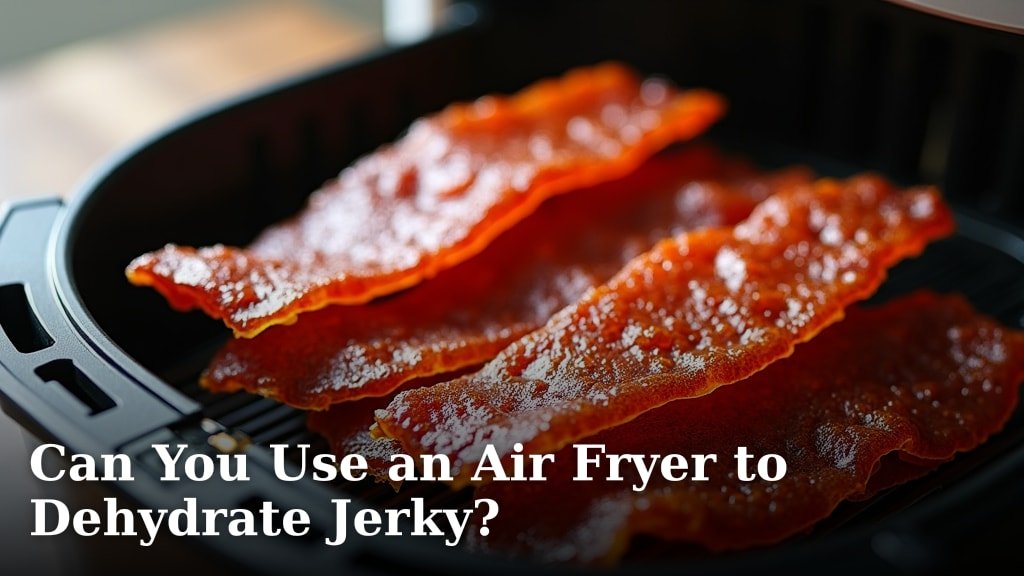
Yes, you can use your air fryer to dehydrate jerky, but it comes with a few important caveats. While an air fryer offers a Our guide on how to cook raw meat in an air fryer explains the safety and techniques involved.convenient way to make jerky, it’s not as efficient as a dedicated dehydrator and requires careful temperature control to achieve the best results. You’ll need to ensure your air fryer can maintain a low, consistent temperature for safe drying.
Making jerky at home can be a rewarding experience, offering a healthier and more flavorful alternative to store-bought options. When considering an air fryer, it’s smart to understand its limitations. Many recipes are designed for traditional dehydrators, so adapting them for an air fryer means paying close attention to your machine’s capabilities, especially its ability to hold low cooking temperatures for extended periods.
- Air fryers can dehydrate jerky.
- Precise temperature control is key.
- It’s often slower than a dehydrator.
- Watch for dryness and doneness carefully.
- It’s a great option for small batches.
We’ve looked into how well air fryers perform this task, and below we’ll walk you through what you need to know about making your own delicious jerky right in your air fryer.
So, you’re staring at your air fryer, thinking, “Can this countertop marvel handle my jerky dreams?” The short answer is yes, it can, but it’s not quite as simple as just tossing some meat in there. It’s more like a careful dance between your air fryer’s settings and the meat’s moisture content. You’ll need to be a bit of a temperature detective to get it just right.
Making Jerky With Your Air Fryer: The Basics
Using an air fryer for jerky is a clever trick for those who don’t own a dedicated dehydrator. Think of your air fryer as a tiny, super-efficient oven that circulates hot air. This hot air is what dries out the meat, transforming it into that chewy, flavorful snack you love. The key is to find a setting that mimics the slow, low heat of a dehydrator. You’re aiming to evaporate moisture without cooking the meat through. Learn how to use an air fryer effectively for various cooking tasks, including dehydrating.
Many air fryers have a “dehydrate” function, which is fantastic. If yours doesn’t, you’ll need to experiment with the lowest possible temperature setting. We’re talking around 140-160°F (60-71°C). This is the sweet spot recommended by food safety experts for dehydrating meat (CDC). Too hot, and you risk cooking the meat instead of drying it, which isn’t safe. Too cool, and it takes forever or might not dry properly.
Temperature is Your Jerky’s Best Friend (or Worst Enemy)
This is where most people run into trouble. Air fryers are designed to cook things *quickly*. They excel at crisping and browning. Dehydrating jerky, on the other hand, is a slow and steady process. You need consistent, low heat for hours. If your air fryer’s lowest setting is still too high, it can end up baking your meat.
We found that some air fryer models struggle to maintain a precise low temperature. They might fluctuate, causing hot spots or inconsistent drying. This is why checking the temperature with an oven thermometer is a really good idea. You want to be sure your air fryer is behaving itself. It’s all about maintaining that safe, low temperature for the duration.
Choosing the Right Meat for Air Fryer Jerky
The type and cut of meat you choose can make a big difference, especially when you’re working with the unique environment of an air fryer. Leaner cuts are generally better for jerky. Fat doesn’t dehydrate well and can go rancid, leading to spoilage and off-flavors. Think along the lines of sirloin tip, flank steak, or even venison if you’re feeling adventurous.
Slice it thinly and uniformly. This is non-negotiable. Aim for about 1/8 to 1/4 inch thick slices. If your slices are too thick, they won’t dry out properly in the air fryer’s circulating heat. It’s like trying to dry a whole loaf of bread with a hairdryer – it’s just not going to work efficiently. Consistency in slicing means consistency in your final jerky.
Marinating Your Meat: Flavor and Preservation
Marinating is where you inject flavor and can add a bit of preservation. A good marinade typically includes a salty component (like soy sauce or Worcestershire sauce), something acidic (like vinegar or lemon juice), and seasonings. The salt helps with preservation, while the acid can help tenderize the meat slightly. Let the meat marinate for at least 4 to 12 hours in the refrigerator. Some experts even suggest up to 24 hours for deeper flavor penetration (NCBI).
When you’re ready to air fry, make sure to pat the meat thoroughly dry after marinating. Excess moisture will significantly extend your drying time. You don’t want to introduce extra water into the process. A few paper towels will do the trick. This step is crucial for successful dehydration, whether you’re using a dehydrator or an air fryer.
The Process: Step-by-Step Air Fryer Jerky
Alright, let’s get down to the nitty-gritty of actually making the jerky. It’s simpler than you might think, but paying attention to details is key. Remember, we’re working with a different tool than a traditional dehydrator, so some adjustments are necessary.
Preparing Your Air Fryer Basket
This is a critical step that many people overlook. You can’t just pile the meat into the air fryer basket. You need to allow air to circulate freely around each piece of jerky. If your air fryer came with a dehydrating rack or a multi-level tray system, that’s your best bet. Arrange the meat in a single layer on the rack or trays, ensuring there’s space between each strip.
If you don’t have special racks, you might need to do this in batches. Laying the jerky directly on the basket can work, but you’ll need to ensure there are no overlapping pieces. You might also need to prop the lid open slightly (if safe and possible with your model) to allow moisture to escape. This mimics how a dehydrator works more closely. Always check your air fryer manual for specific recommendations on using dehydrate functions or low-temperature cooking.
Setting the Temperature and Time
As we’ve mentioned, temperature is king. Set your air fryer to its lowest setting, ideally between 140-160°F (60-71°C). If your air fryer doesn’t go that low, you might need to try a different method or be extremely diligent in monitoring. Some sources suggest using a convection bake setting if a dehydrate mode isn’t available, but this requires careful monitoring to prevent cooking.
The time is where things get really variable. Unlike a dehydrator with a set timer and consistent heat, air fryers can be unpredictable. We found that it can take anywhere from 4 to 10 hours, sometimes even longer, depending on your air fryer, the thickness of your meat, and the humidity. Start checking around the 4-hour mark.
How to Tell When Your Jerky is Done
This is the most important part of the process. You’re looking for jerky that is dry but still pliable. It should bend without breaking. If it snaps, it’s over-dehydrated and likely too dry. If it’s still soft and moist, it needs more time. When you bend a piece, there should be no visible moisture when you tear it apart (USDA).
Give it a feel. It should feel leathery and somewhat tough, but still bendable. Let a piece cool for a few minutes before testing, as it will firm up as it cools. It’s better to under-dehydrate slightly and put it back in for another hour than to over-dehydrate and end up with tough, brittle jerky. You’re aiming for that perfect chewy texture.
Cooling and Storing Your Homemade Jerky
Once your jerky is done, remove it from the air fryer and let it cool completely on a wire rack. This is crucial because residual heat can continue to cook or dry out the jerky. Allow it to cool for at least an hour. Proper cooling helps achieve the final texture.
After it’s fully cooled, it’s time to store it. For best results and longevity, store your jerky in airtight containers or resealable bags. Many people vacuum seal their jerky to maximize freshness. If stored properly in a cool, dry place, homemade jerky can last for 1-2 weeks. For longer storage, refrigerating it is a good idea; it can last for about 1-2 months in the fridge. Properly dried and stored jerky is safe to eat (FDA).
Tips for Success and Potential Pitfalls
Making jerky in an air fryer is a fantastic skill to learn, but like any kitchen endeavor, there can be a few bumps in the road. Knowing what to watch out for can save you a lot of frustration and wasted ingredients.
- Don’t overcrowd the basket: This is the number one rule. Air needs to flow.
- Monitor your temperature: Use an oven thermometer to ensure accuracy.
- Be patient: Jerky takes time. Don’t rush the process.
- Dry the meat thoroughly: Pat it dry after marinating to remove excess moisture.
- Check for doneness frequently: Especially in the last few hours.
- Clean up promptly: Food safety starts with a clean workspace.
Common Air Fryer Jerky Problems and Solutions
You might encounter a few issues when you first start. One common problem is jerky that is too tough or too dry. This often happens if the temperature was too high, or it was left in too long. The solution is to lower the temperature slightly and check it more often.
Another issue is jerky that is still moist or feels greasy. This usually means it wasn’t dried long enough, or there was too much fat in the meat. Ensure you’re using lean cuts and give it more drying time. If the meat is still fatty, it may not be safe to store for long periods, as fat can spoil.
Some users report their jerky tasting “baked” rather than dehydrated. This points to a temperature that’s too high. You might need to experiment with your air fryer’s lowest setting and possibly even prop the lid open slightly (if safe for your model) to allow more moisture to escape. It’s all about finding that delicate balance.
Air Fryer vs. Dehydrator: What’s the Real Difference?
Think of a dedicated food dehydrator as the specialized tool for the job. It’s designed to maintain a very low, consistent temperature for many hours and has ample space for drying large batches. They are optimized for this slow, gentle drying process.
An air fryer, on the other hand, is a multi-purpose appliance. Its primary function is cooking with hot air, often at higher temperatures. While it can dehydrate, its smaller capacity and tendency to have more intense heat circulation mean you’ll likely be working in smaller batches and will need to be more vigilant. For someone making jerky occasionally or in small quantities, an air fryer is a convenient option. If you plan on making large amounts regularly, a dehydrator might be a worthwhile investment.
| Feature | Air Fryer | Food Dehydrator |
|---|---|---|
| Best For | Small batches, occasional jerky makers | Large batches, frequent jerky makers |
| Temperature Control | Can be variable, requires monitoring | Generally stable and consistent |
| Capacity | Limited by basket size | Multiple trays, larger capacity |
| Drying Time | Can be longer/more variable | Consistent, often faster for large batches |
| Ease of Use | Requires more attention and adjustment | Set-it-and-forget-it for many models |
| Energy Efficiency | Can be less efficient for long drying times | Designed for prolonged, low-energy use |
Conclusion
So, can you make jerky in your air fryer? Absolutely! You’ve learned that it’s a totally doable and convenient way to whip up small batches of your favorite snack. Remember, the keys to success are keeping that temperature low and consistent and ensuring good air circulation around your meat. Don’t be afraid to experiment with your specific air fryer model, and always prioritize food safety by monitoring the drying process closely. Ready to give it a try? Slice up some lean meat, get your marinade ready, and start your air fryer jerky adventure today!
Frequently Asked Questions
What’s the ideal temperature for dehydrating jerky in an air fryer?
For safe and effective dehydration, aim for a temperature between 140-160°F (60-71°C). It’s crucial to keep the temperature low enough to dry the meat without cooking it. Your air fryer’s lowest setting is usually your best bet.
How do I prevent my jerky from drying out unevenly in an air fryer?
Consistent thickness in your meat slices is vital. Also, ensure you don’t overcrowd the air fryer basket, allowing air to circulate freely around each piece. Using a dehydrating rack or tray system, if your air fryer has one, can greatly help with even drying.
My air fryer doesn’t have a dehydrate setting. What can I do?
If your air fryer lacks a specific dehydrate mode, try using its lowest temperature setting. You might need to experiment with a convection bake setting if that’s all you have, but be extra vigilant about monitoring to prevent cooking. You may also need to prop the lid slightly open (if safe) to help moisture escape.
How long does it typically take to make jerky in an air fryer?
Drying times can vary significantly, often ranging from 4 to 10 hours or even longer. This depends on your air fryer’s performance, the thickness of your meat, and ambient humidity. Start checking your jerky around the 4-hour mark and every hour thereafter.
What kind of meat is best for making jerky in an air fryer?
Lean cuts of meat are ideal for jerky. Look for options like sirloin tip, flank steak, or venison. Fat doesn’t dehydrate well and can lead to spoilage and off-flavors, so trim away any excess before slicing and marinating.
