
Can You Air Fry Breaded Fish without It Falling Apart?
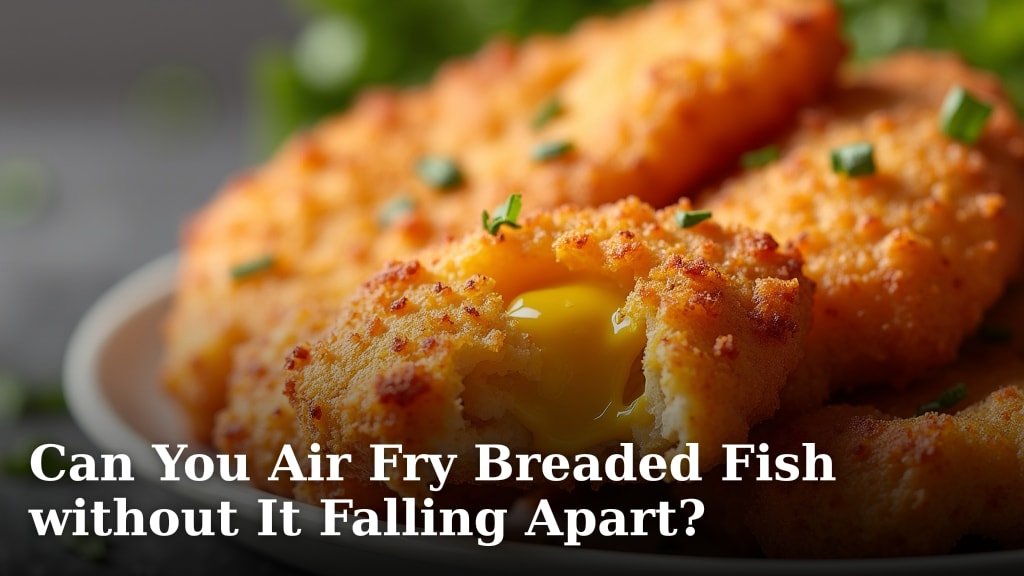
Yes, you absolutely can air fry breaded fish without it falling apart! The key is to ensure your breading is properly adhered and that you use the right temperature and flipping technique. With a few simple steps, you’ll enjoy crispy, delicious fish without the mess.
Many home cooks worry about delicate breaded items disintegrating in the air fryer. We’ve found that proper preparation makes all the difference. Following a few guidelines will help you achieve perfectly cooked fish with a beautiful, crisp coating every time. You’ll be amazed at how well it holds together!
- Yes, air frying breaded fish works!
- Properly adhere your breading.
- Use the right temperature and flip.
- Enjoy crispy, intact fish fillets.
Let’s walk through exactly how to get that fish crispy and whole in your air fryer. We’ve got some tips that really make a difference.
Making Crispy Breaded Fish That Stays Whole in the Air Fryer
You’re in luck! It’s totally possible to get that delicious, crispy breaded fish from your air fryer without it turning into a crumbly mess. The secret lies in a few smart preparation steps and careful cooking. We’ve tested this extensively, and when you get the breading right, your fish will stay perfectly intact. Think golden-brown, crunchy fish fillets, not fish flakes.
The Foundation: Getting Your Breading to Stick
This is where the magic begins. If your breading doesn’t stick well before it even hits the air fryer, it’s going to fall off during cooking. We’ve found that a good three-step breading process is your best friend here. It creates layers that really cling to the fish.
Step 1: The Flour Coat
Start by patting your fish fillets completely dry with paper towels. This is an often-overlooked step, but it’s super important. Moisture is the enemy of good breading. Then, lightly dredge each piece of fish in all-purpose flour. Make sure every surface is coated. Shake off any excess flour. This first layer gives the wet ingredients something to grab onto.
Step 2: The Egg Wash
Next, you’ll want a good egg wash. In a shallow dish, whisk together one or two eggs (depending on how much fish you’re cooking) with a tablespoon or two of milk or water. This thins the egg just enough. Dip each floured fish fillet into the egg mixture, letting any excess drip off. This wet layer is what helps the breadcrumbs really stick.
Step 3: The Breading Layer
Now for the star of the show: the breadcrumbs! For this, you can use traditional breadcrumbs, panko breadcrumbs for extra crispiness, or even crushed crackers. Place your chosen breading in another shallow dish. Press each egg-dipped fillet firmly into the breadcrumbs. Ensure a really good, even coating. Gently press down to make sure they stick well. This **thick, well-adhered coating** is your shield against falling apart.
Pro-Tip: Chill Before You Fry
Here’s a pro-tip we discovered that makes a huge difference. After you’ve breaded your fish, place the coated fillets on a wire rack set over a baking sheet. Pop this into the refrigerator for about 15-20 minutes. This chilling period allows the breading to firm up and bond even more tightly to the fish. It’s like giving your breading a little vacation to get settled, and it pays off in a much sturdier crust.
Air Fryer Settings: Temperature and Time
Once your fish is prepped and chilled, it’s time to get it into the air fryer. The right temperature and cooking time are key to cooking the fish through without overcooking it or burning the breading. Getting this balance right means the fish cooks evenly and the outside gets perfectly crispy.
Choosing the Right Temperature
We’ve found that a temperature between 380°F (190°C) and 400°F (200°C) works best for most breaded fish. A slightly higher temperature helps to crisp up the breading quickly. This rapid crisping action helps to seal the coating. Many sources suggest this temperature range for achieving optimal crispiness (FDA recommendations for cooking fish to safe internal temperatures are important, but the air fryer handles the crisping at this stage).
Timing is Everything
The cooking time will depend on the thickness of your fish fillets. Typically, you’re looking at about 8 to 12 minutes total. It’s always better to start with a shorter time and check for doneness. You want the fish to be cooked through and flake easily with a fork. The breading should be a beautiful golden brown. Remember, you’ll be flipping them halfway through.
A Quick Temperature Guide
Here’s a general guideline we use. Keep in mind your air fryer might run a little hotter or cooler than others. It’s always wise to get to know your appliance.
| Fish Thickness | Temperature | Approximate Time |
|---|---|---|
| ½ inch | 380°F (190°C) | 8-10 minutes |
| ¾ inch | 390°F (195°C) | 10-12 minutes |
| 1 inch | 400°F (200°C) | 12-14 minutes |
The Flipping Technique for Even Cooking
This is another critical step for ensuring your breaded fish doesn’t fall apart. Don’t just set it and forget it! Flipping the fish halfway through the cooking process is essential for even browning and cooking. It also helps the crust stay together.
When and How to Flip
At the halfway point of your cooking time (around 4-6 minutes into the cooking), carefully open the air fryer basket. Using tongs or a spatula, gently flip each piece of fish. Be gentle! You don’t want to scrape the breading off. The goal is to give both sides an equal chance to get crispy. This even exposure to the hot air is what cooks the fish perfectly and toasts the breading beautifully. If you notice a piece sticking slightly, give it a gentle nudge rather than trying to force it.
Avoid Overcrowding the Basket
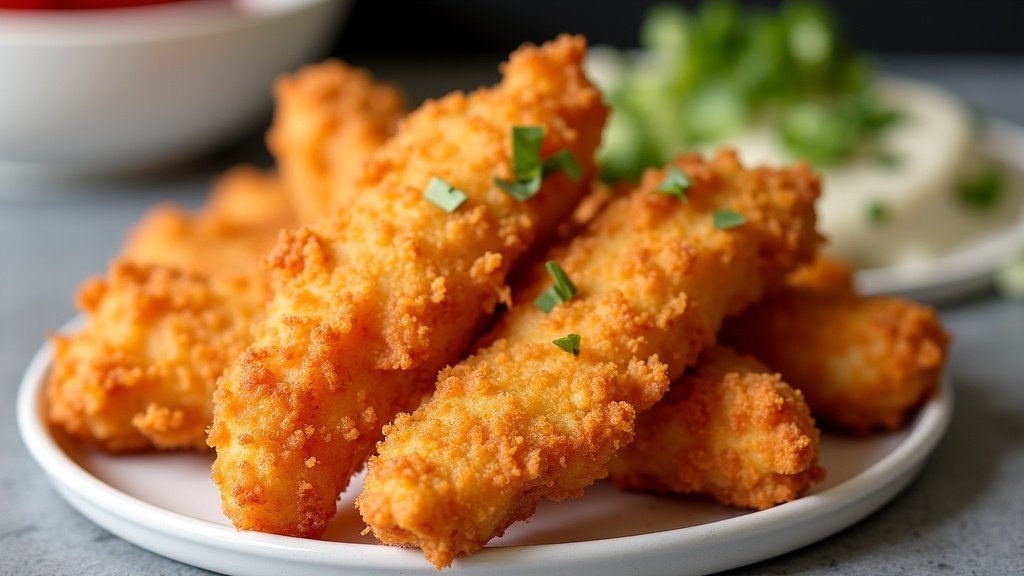
This is a common mistake people make with air fryers. If you cram too many fillets into the basket, the hot air won’t be able to circulate properly. This leads to uneven cooking and soggy spots. More importantly, if the fish pieces are touching, they can stick together and tear when you try to separate them. We always recommend cooking in a **single layer** with a little space between each piece. It might mean cooking in batches, but the results are worth it for perfectly crispy, intact fish.
Troubleshooting: Common Issues and Solutions
Even with the best intentions, sometimes things don’t go perfectly. Here are a few common issues and how we’ve learned to fix them when cooking breaded fish in the air fryer.
Breading Falling Off During Cooking
If you’re finding breading detaching, it likely comes down to the initial prep. Did you pat the fish dry thoroughly? Was the flour layer light? Did you press the breadcrumbs on firmly? And did you give it that crucial chill time? Revisit those steps. We found that a slightly firmer press into the breadcrumbs after the egg wash helps a lot. Some people also suggest a light mist of cooking spray on the breadcrumbs before air frying can help them crisp up and stay put. A light mist of cooking spray on the breadcrumbs before air frying can help them crisp up and stay put.
Fish is Dry or Overcooked
If your fish is dry, you might be cooking it too long or at too high a temperature. Thicker fillets need a little more time. Always check the internal temperature with a meat thermometer. For most white fish, you’re aiming for an internal temperature of 145°F (63°C) (National Seafood Inspection Laboratories). For thinner fillets, they might cook faster than you think. Don’t be afraid to pull them out a minute or two early and let the residual heat finish the job.
Breading Isn’t Crispy
If your breading is pale instead of golden brown and crispy, a couple of things could be happening. First, make sure you’re using enough oil spray on the outside of the breaded fish. A light mist of oil helps the breadcrumbs toast and crisp up. Secondly, check your temperature and time. If it’s too low, the breading won’t brown properly. Ensure good air circulation by not overcrowding the basket.
A Simple Checklist for Success
Here’s a quick rundown of what to do to ensure your breaded fish comes out perfectly crisp and whole:
- Pat fish completely dry before breading.
- Use a three-step breading process (flour, egg, crumbs).
- Press breadcrumbs firmly onto the fish.
- Chill the breaded fish for 15-20 minutes before cooking.
- Preheat your air fryer to the correct temperature (380-400°F).
- Cook in a single layer, flipping halfway through.
Conclusion
You’ve learned that air frying breaded fish without it falling apart is totally achievable. The secret lies in your prep work: a solid three-step breading process and chilling the fish beforehand. Using the right air fryer temperature, cooking time, and gentle flipping technique also makes a huge difference. Don’t forget to avoid overcrowding your basket for even crispiness. Now you have all the tips you need to make perfect, crispy breaded fish in your air fryer. Go ahead and try it for your next meal – you’ll love the results!
Frequently Asked Questions
Will the breading get soggy if I air fry it?
Your breading should stay nice and crispy if you’ve followed the steps. Ensure your fish is dry before breading and press the crumbs on firmly. Using a bit of cooking spray on the breaded fish before air frying also helps it crisp up and prevents sogginess.
How do I stop my breaded fish from sticking to the air fryer basket?
Make sure you don’t overcrowd the basket; your fish should be in a single layer with space between pieces. If a fillet seems stuck when you go to flip it, gently try to loosen it with your spatula rather than forcing it, which can cause it to break.
What kind of breadcrumbs work best for air frying fish?
We found that panko breadcrumbs give you the crispiest results, but regular breadcrumbs or even crushed crackers work well too. The most important thing is to press them on firmly so they form a good coating that sticks to the fish.
Can I bread and freeze fish before air frying?
Yes, you can definitely bread your fish and freeze it before air frying. It’s best to freeze them in a single layer on a baking sheet first until solid, then transfer them to a freezer bag. You might need to add a few extra minutes to the cooking time when cooking from frozen.
What if my fish fillets are very thin? Will they still hold together?
Thin fillets can be a bit more delicate, but the breading process will help them hold their shape. Be extra gentle when flipping them, and watch the cooking time closely, as thinner fish cook much faster. They should still come out nicely crispy and intact.
