Why Is Bread Dough Still Soggy After Air Frying?
Bread dough stays soggy after air frying when the center hasn't cooked through, often because the dough is thick, crowded, or cooked too hot on the outside. Check the center, then cook in short intervals at a lower temperature.
On this page (9 sections)
- Why is bread dough still soggy after air frying?
- How can you tell whether the dough is undercooked or just moist?
- What should you change when the dough is thick?
- Can a crowded basket make air-fried dough soggy?
- Does parchment or a liner cause soggy dough?
- Should you flip or turn bread dough while it cooks?
- How can you avoid soggy bread dough next time?
- Does air frying always make bread dough crisp?
- What should you do with bread dough that stays soggy after air frying?
Bread dough still soggy after air frying usually means the center hasn't cooked through. Thick pieces, a crowded basket, trapped steam, or heat that's too high can brown the outside before the middle is done.
Check the thickest part and adjust one variable at a time. A few extra minutes at a lower temperature may help more than raising the heat.
Why is bread dough still soggy after air frying?
The dough is often undercooked in the center, even when the outside looks browned. Air moves around the food, but a thick piece still needs time for heat to reach its middle.
Raw or gummy dough inside points to a cooking-time or thickness issue. A damp surface can also come from trapped moisture, crowding, or a liner that blocks airflow.
For another food, see moistening meat before air frying.
Air frying depends on moving hot air around food. For a plain explanation of that process, see what air frying is.
How can you tell whether the dough is undercooked or just moist?
Check the inside, not just the color. Let the piece cool briefly, then cut through the thickest area to look for a dense, sticky, or raw-looking center.
Some breads and doughs stay soft inside when fully cooked, so texture depends on the recipe. Follow the package or recipe directions, and use a food thermometer only if the recipe gives a safe internal target.
If the middle is gummy, return the dough to the fryer in short intervals. If the center seems cooked but the surface is wet, focus next on moisture and airflow.
What should you change when the dough is thick?
Make thick pieces thinner or cook them longer at a lower temperature. This gives heat more time to reach the center before the outside gets too dark.
Use the package's air fryer instructions when available. If there are none, start with the recipe's temperature and time as a guide, then check early because air fryers vary.
When the exterior is already brown, reduce the heat and continue briefly. Avoid guessing a new long cooking time without checking the center between intervals.
Can a crowded basket make air-fried dough soggy?
Yes, crowding can slow cooking by restricting airflow around the dough. Leave space between pieces and cook in batches if needed.
Dough that touches other pieces may also cook unevenly where the surfaces meet. A single layer with gaps makes it easier for hot air to reach the sides and bottom.
Don't stack dough pieces unless the recipe and appliance instructions call for it. A larger basket can provide more room, but match its size and shape to your fryer.
Measure your basket bottom before choosing a liner, and follow your appliance manual about parchment.
Does parchment or a liner cause soggy dough?
It can contribute if it blocks airflow or traps moisture beneath the dough. Parchment also needs to stay weighed down by food so it cannot lift toward the heating element.
Use a liner only when the air fryer manual permits it. Don't put an empty liner in during preheating, and avoid covering the entire basket floor when airflow comes through it.
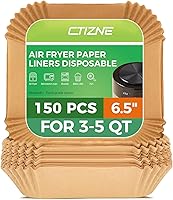
The ctizne liners are 6.5 inches square and intended for 3 to 5 qt fryers. They may suit a compact basket when your manual allows parchment.
If the dough is sitting on a liner and staying damp, try a batch without one if your manual permits. For general troubleshooting beyond dough, read why air fryer food gets soggy.
Should you flip or turn bread dough while it cooks?
Turn or flip dough only when the shape is firm enough to handle it. A delicate piece may collapse or tear if moved before its surface sets.
If the top is browning while the underside stays pale, carefully reposition it partway through cooking, following the recipe's guidance. Use suitable utensils and avoid touching the hot basket.
A product made for crafts won't solve cooking problems. The AceSubli round blanks are aluminum pieces for sublimation projects, not food-safe air fryer accessories.
How can you avoid soggy bread dough next time?
Use smaller portions, leave gaps, and check the center before serving. These changes target the common causes without relying on extra oil or a hotter setting.
- Shape the dough evenly so thick spots don't lag behind.
- Preheat only if the recipe or appliance directions call for it.
- Arrange pieces in a single layer with space between them.
- Check the thickest area before deciding the batch is done.
- Add cooking time in short intervals if the center remains gummy.
For some foods, blanching is a separate preparation step that can affect texture. Learn what blanching before air frying means, but don't apply it to bread dough unless your recipe specifically calls for it.
Does air frying always make bread dough crisp?
No, air frying doesn't guarantee a crisp result. Dough moisture, thickness, recipe, basket airflow, and cooking time all affect the surface and center.
A crisp outside can develop while the middle is still undercooked, so check both. For more on what air frying can and can't do for texture, see does air frying make food crispy.
If other foods are also coming out wet, use why air fryer food comes out soggy to check broader causes such as moisture and basket loading.
What should you do with bread dough that stays soggy after air frying?
If bread dough stays soggy after air frying, check the center, lower the heat if the outside is dark, and continue in short intervals. For the next batch, make the pieces thinner and give them more space.
Use a liner only when your fryer manual allows it, and keep the basket's airflow clear. If the center is cooked but the surface remains soft, the recipe may simply make a softer bread rather than a crisp one.
Frequently asked questions
Why is my bread dough raw in the middle after air frying?
The dough may be too thick, the air fryer may be crowded, or the outside may be browning before the center cooks. Lower the temperature and continue in short intervals, checking the thickest part each time.
Follow the dough package directions when they include air fryer guidance.
Can I put soggy air-fried dough back in the air fryer?
Yes, if the dough has been handled safely and is still within a reasonable serving time, return it to the basket and cook in short intervals. Lower the heat if the outside is already dark.
Check the center before eating, since browning alone doesn't show that thick dough is cooked through.
Should I use parchment under bread dough in an air fryer?
Use parchment only if your air fryer manual allows it, and keep it weighed down by food. Loose paper can lift into the heating element, and a liner that blocks airflow can slow cooking.
Don't preheat with a loose liner or cover the full basket floor.
Why is the bottom of my air-fried bread dough soggy?
The bottom can stay damp when dough sits on a solid surface or a liner blocks air from reaching it. Use the basket as directed by the manual, leave room around each piece, and turn or reposition the dough only if its shape can handle it.
Check that the center is cooked before serving.