What Is Air Frying?
On this page (8 sections)
An air fryer is a kitchen appliance that cooks food by circulating hot air. Many people compare it to a small convection oven. It gives your food a crispy texture, much like deep frying. But it uses very little or even no added oil. This makes air frying a popular cooking method.
You can use an air fryer to prepare many different foods. Think crispy fries, chicken wings, or even roasted vegetables. We found that it is a versatile tool for healthier cooking. It offers a convenient way to enjoy your favorite fried foods with less fat.
- An air fryer cooks with hot air circulation.
- It creates a crispy texture without much oil.
- It is like a small convection oven.
- You can cook many different kinds of food.
- It offers a healthier alternative to deep frying.
Ready to learn more? Let’s walk through exactly what air frying is and how it works.
How Air Fryers Work Their Magic
An air fryer works by circulating super-heated air around your food. This process cooks items quickly and creates a wonderfully crispy outer layer.
You might wonder, how does it do this? It’s all about mimicry and efficiency. We found that the core principle is very similar to a convection oven, just scaled down and supercharged for speed. Inside, a heating element gets very hot. A powerful fan then kicks into action, pushing that hot air all around the cooking chamber. This constant movement of air ensures every part of your food is exposed to the heat, creating a Maillard reaction, which is that browning and crisping we all love.
The Science Behind the Crisp
The Maillard reaction is a chemical process that occurs between amino acids and reducing sugars when heat is applied. It’s responsible for the distinct flavor and color of many cooked foods, from seared steaks to roasted coffee beans. In an air fryer, this reaction happens quickly and efficiently because of the high temperature and even airflow.
Think of it like this: when you deep fry, hot oil submerges your food, causing it to cook and crisp. An air fryer achieves a similar effect using air as the cooking medium instead of oil. The concentrated, circulating hot air dries out the surface of the food, promoting that delightful crunch without all the added fat.
Key Components of an Air Fryer
Understanding the parts helps you understand how it functions. We looked at many air fryer designs and found they usually have these main components:
- Heating Element: This is typically a coil that heats up, much like the element in a toaster oven.
- Powerful Fan: This fan is crucial. It circulates the hot air rapidly and consistently throughout the cooking basket.
- Cooking Basket: Your food sits in this perforated basket, allowing the hot air to surround it on all sides.
- Outer Casing: This insulates the interior and keeps the heat contained.
- Controls: These allow you to set temperature and cooking time.
Together, these components create a mini cyclone of hot air, cooking your food evenly and efficiently.
Comparing Air Frying to Other Cooking Methods
You might be thinking, “This sounds a lot like…” and you’re not wrong! Air frying draws inspiration from several traditional cooking techniques. But it also has its own distinct advantages.
Air Fryer vs. Deep Fryer
This is the comparison people often make first. Deep frying involves submerging food in a large amount of hot oil. This gives you a truly crispy, golden-brown result. However, it also means your food absorbs a lot of oil, which adds calories and fat.
An air fryer, on the other hand, uses a fraction of the oil – often just a tablespoon or two, or even none at all. It achieves a crispiness that is very similar to deep-fried food, but without the grease. We found that for things like frozen french fries or chicken nuggets, the difference in texture and taste is often barely noticeable, while the health benefits are significant.
Air Fryer vs. Convection Oven
This comparison is also very common. A convection oven has a fan that circulates hot air, just like an air fryer. So, what’s the difference? Many experts say air fryers are essentially compact, high-powered convection ovens (Cleveland Clinic).
- Size: Air fryers are typically much smaller with a more confined cooking space.
- Speed: Their smaller size means they preheat faster and cook food more quickly.
- Air Circulation: The fans in air fryers are often more powerful relative to their size, creating a more intense and rapid air circulation.
If you already have a full-sized convection oven, you might find that an air fryer offers similar results but with greater convenience for smaller batches of food. It’s perfect for when you don’t want to heat up your entire kitchen.
Air Fryer vs. Traditional Oven
A traditional oven cooks food primarily with radiant heat. It heats the air inside, but there’s no forced air circulation from a fan. This means cooking can be slower, and results might be less even, especially for crispy textures.
In a regular oven, items like french fries might come out a bit softer or chewier, rather than truly crispy. An air fryer excels at giving that satisfying crunch. Plus, it generally uses less energy and cooks much faster than a full-sized oven, which is a real bonus on busy weeknights.
Benefits You’ll Enjoy with an Air Fryer
So, why are air fryers so popular? We found several reasons why people love them. You’ll likely discover these benefits yourself once you start using one.
Healthier Cooking Options
This is often the number one reason people buy an air fryer. By using little to no oil, you can drastically reduce the fat and calorie content of your favorite “fried” foods. You can enjoy crispy chicken, fries, or even onion rings with less guilt. Many health organizations recommend reducing saturated and trans fats, and air frying can help you do just that (American Heart Association).
Speed and Convenience
Who doesn’t want to cook faster? Air fryers preheat in minutes and cook food quickly. This makes them ideal for busy schedules. You can quickly whip up a meal without waiting for a large oven to heat up or dealing with hot oil splatters.
Amazing Crispy Results
This is what an air fryer does best. If you love that golden, crunchy texture, you’ll be delighted. From perfect chicken wings to roasted vegetables with a slight char, the air fryer delivers on crispiness. The circulating hot air ensures a uniform crust.
Easy Cleanup
Compared to deep frying, cleanup is a breeze. There’s no greasy oil to dispose of. Most air fryer baskets are non-stick and often dishwasher-safe. A quick wipe-down is usually all that’s needed for the interior.
What Can You Cook in an Air Fryer?
The versatility of an air fryer often surprises people. While it’s famous for “fried” foods, its capabilities extend far beyond that. We’ve compiled a list of common foods that shine when air-fried.
Everyday Air Fryer Delights
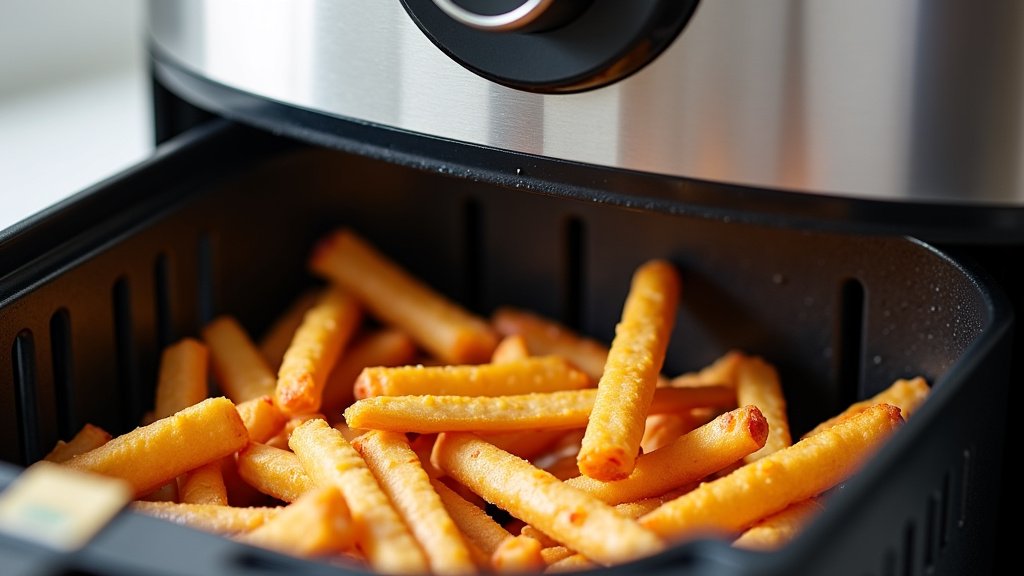
- French fries (fresh or frozen)
- Chicken wings, tenders, and drumsticks
- Frozen appetizers (mozzarella sticks, egg rolls)
- Roasted vegetables (broccoli, Brussels sprouts, potatoes)
- Pork chops and fish fillets
- Reheating leftovers (pizzas, fried chicken)
You can even bake small items like muffins or cookies, though results can vary depending on your specific air fryer model.
Getting Started with Your Air Fryer: A Quick Checklist
Ready to dive in? Here’s a simple checklist to help you begin your air frying journey.
We found that a little preparation makes all the difference for a smooth cooking experience. Don’t worry, it’s easier than you think!
- Read the Manual: Seriously, it helps you understand your specific model.
- Preheat Your Air Fryer: Just like an oven, preheating ensures even cooking.
- Don’t Overcrowd the Basket: This is critical for crispy results. Cook in batches if needed.
- Shake or Flip Food Often: This exposes all sides to the hot air.
- Use a Little Oil (Optional): A light spray or toss with oil can enhance crispiness for fresh foods.
- Adjust Times and Temps: Cooking times often vary by air fryer model and food type. Start with recommended settings and adapt.
Choosing the Right Air Fryer for Your Needs
With so many air fryers on the market, how do you pick one? We understand it can feel overwhelming. Consider these factors when making your choice. Ask yourself these questions when looking at different models:
Capacity Considerations
Air fryers come in various sizes. A smaller 2-quart model might be perfect for one or two people, or for snacks. If you’re cooking for a family of four or more, you’ll likely want a 5-quart or larger model. We found that cooking capacity is often the biggest deciding factor for many users.
Style and Features
There are a few main types:
| Type of Air Fryer | Description | Best For |
|---|---|---|
| Basket-style | Most common; food cooks in a pull-out drawer. | Small batches, quick reheating, crisping items. |
| Oven-style | Looks like a small toaster oven; has shelves and often more functions. | Larger meals, baking, dehydrating. More versatile. |
| Multi-cookers with air fry lid | Combines pressure cooker or slow cooker with an air fry function. | Saving counter space, those who want multiple appliance functions. |
Do you want advanced features like smart connectivity, a rotisserie function, or dehydration settings? Or do you just need a simple model for basic crisping? Think about how you’ll use it most often.
Budget and Brand
Air fryers range widely in price. There are excellent budget-friendly options, as well as higher-end models with more features and a sleek design. We always recommend reading reviews to find a model known for reliability and good performance within your price range.
Conclusion
You’ve seen how air frying transforms the way you cook. It offers a healthier, faster alternative to traditional frying techniques. By circulating super-hot air, your food gets that irresistible crisp without excess oil. We found it’s a versatile appliance for many meals.
Whether you’re aiming for healthier eating or simply want quicker weeknight dinners, an air fryer can be a great addition to your kitchen. So, take that next step. Start experimenting with your air fryer today and enjoy deliciously crispy results!
Frequently Asked Questions
Do I need to preheat my air fryer?
Yes, preheating is generally recommended. It helps ensure your food cooks evenly from the start and gets that desired crispy texture. Just like an oven, a preheated air fryer performs better.
Can I put aluminum foil in an air fryer?
You can use aluminum foil in an air fryer, but do so carefully. Make sure it doesn’t block airflow or touch the heating element. It’s best for lining the basket to make cleanup easier for certain foods.
What’s the best oil to use in an air fryer?
Since air frying uses very little oil, you can choose oils with a high smoke point like avocado, grapeseed, or canola oil. A light spray is often all you need to aid crispiness and flavor.
How often should I clean my air fryer?
It’s best to clean your air fryer after every use. A quick wipe-down of the basket and drawer prevents food buildup and odors. A deeper clean every few uses will keep it in top condition.
Can I cook frozen food directly in an air fryer?
Absolutely! The air fryer is excellent for cooking most frozen foods directly, often yielding superior crispiness compared to a conventional oven. Just be sure to check the cooking instructions for recommended temperatures and times.