
Is an Air Fryer Safer Than Deep Frying?
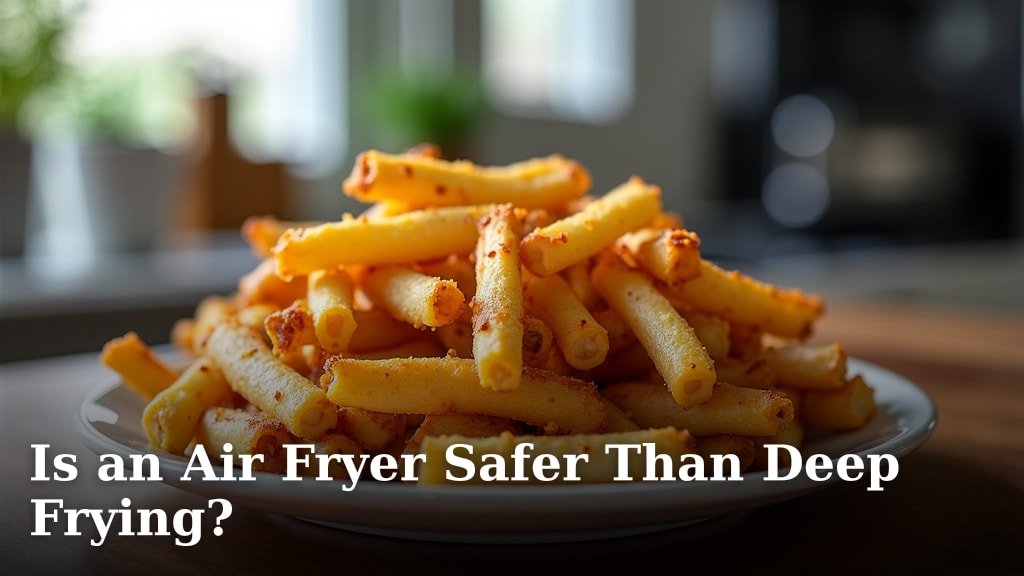
Yes, an air fryer is generally safer than deep frying. You use much less oil, which reduces fire risk and splatter. It’s a key reason why many families are making the switch for healthier, safer cooking.
We found that air frying eliminates many of the common dangers associated with traditional deep-fat frying. Think about less hot oil around your kitchen. This can make a big difference, especially if you have kids or pets.
- Air frying uses significantly less oil.
- This lowers the risk of oil splatters and burns.
- There’s also a reduced fire hazard compared to deep frying.
- Air fryers are often easier to clean.
- You get a similar crispy texture with less mess and danger.
Are you curious about the specifics? Let’s walk through how air frying provides a much safer cooking experience.
Comparing Air Frying and Deep Frying Safety
You’re wondering if that sleek air fryer on your counter is truly safer than a pot of bubbling hot oil. We found the answer is a resounding yes! Let’s look at the core differences that make air frying a much safer option for your kitchen and family.
Traditional deep frying comes with several known risks. These include fire hazards, severe burns, and excessive oil consumption. Air frying largely sidesteps these concerns by using a different cooking method.
The Risk of Burns and Splatter
Burns are a major concern with deep frying. You’re dealing with large quantities of oil heated to very high temperatures, often around 350-375°F (175-190°C). A splash of this hot oil can cause serious, painful burns.
We found that even a small amount of splattered oil can be dangerous. Think about reaching over a hot pot. It’s easy for oil to jump out and land on your skin. This risk is especially high if you have children or pets in the kitchen (American Burn Association).
Oil Volume and Temperature Differences
Deep frying requires submerging food in oil. This means you’re heating anywhere from several cups to several liters of oil. The sheer volume makes it a significant hazard. The oil stays hot for a long time, too, even after you turn off the heat.
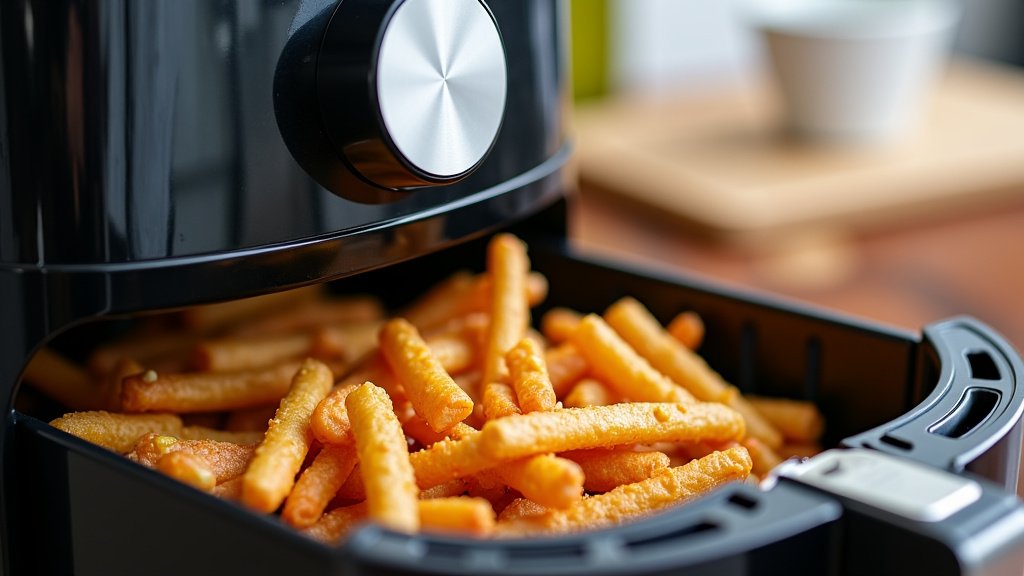
Air fryers, by contrast, use only a tablespoon or two of oil, if any. The heating element is enclosed, and the hot air circulates internally. This means there’s virtually no exposed hot oil to splatter or burn you. It’s a much more contained process.
Understanding Fire Hazards
Cooking fires are a leading cause of home fires. And deep frying is a major contributor to these kitchen mishaps (National Fire Protection Association – NFPA). When oil gets too hot, it can ignite. This creates a dangerous grease fire that can spread quickly.
How hot is too hot? Cooking oil can reach its flashpoint, the temperature at which its vapors can ignite, or its autoignition point, where it catches fire spontaneously. This usually happens around 500-700°F (260-370°C), depending on the oil type.
Deep Fryer Fires vs. Air Fryer Fires
A deep fryer accident often involves a rapidly spreading grease fire. You might accidentally knock over the pot. Or the oil might overheat. These fires are very difficult to extinguish and require specific methods, like smothering with a lid, never water.
Air fryers operate with much less oil and within a contained unit. While any electrical appliance carries a small risk of fire, air fryer fires are exceedingly rare and typically linked to electrical malfunction or improper use, not exploding oil. They are not comparable to the intensity of a grease fire.
Safer Food Handling and Preparation
Beyond the cooking process itself, handling food before and after frying can pose risks. Deep frying involves carefully lowering food into hot oil and then retrieving it. This requires tongs and often some distance. There’s always a chance of dropping food and causing a splash.
With an air fryer, you place food into a basket before cooking. You can usually remove the basket safely to shake or flip food. The interaction with extremely hot surfaces or liquids is significantly minimized. It’s a much calmer and less stressful experience.
The Clean-Up Factor: Less Mess, Less Risk
Cleaning up after deep frying is notoriously messy. Oil splatters can cover your countertops, stovetop, and even your floor. This means more time spent scrubbing, and a continued risk of slipping on spilled oil or encountering lingering hot surfaces.
Air fryers, by contrast, are much easier to clean. Many have removable, non-stick baskets that are often dishwasher safe. There’s minimal oil residue outside the unit. Less mess means fewer potential hazards from slick surfaces or contact with oil.
Comparing Health Risks
While this post focuses on physical safety, it’s worth briefly mentioning health. Deep-fried foods absorb a lot of oil. This leads to higher calorie and fat content, which can contribute to health issues over time (Mayo Clinic).
Air frying uses significantly less oil, making the resulting food much healthier. You can achieve a similar crispy texture with a fraction of the fat. This means you’re making a safer choice for your immediate well-being and your long-term health.
Essential Safety Practices for Both Methods
Even with air fryers, some basic safety rules apply. We want you to be as safe as possible, no matter how you cook. It’s always a good idea to follow manufacturer instructions and practice general kitchen safety.
- Always read your appliance manual.
- Keep a fire extinguisher handy (Type K for grease fires if deep frying).
- Never leave cooking food unattended.
- Keep children and pets away from the cooking area.
- Ensure proper ventilation in your kitchen.
- Use oven mitts or heat-resistant gloves when handling hot items.
Making the Safe Switch: Why Air Fryers Win
When you weigh all the factors, the air fryer clearly comes out on top for safety. It minimizes the most dangerous elements of frying: large volumes of superheated oil and the risk of catastrophic fires or severe burns.
We found that for busy households, families with young children, or anyone looking for a less intimidating cooking method, an air fryer offers a huge leap in kitchen safety. You get delicious results without the constant worry.
| Feature | Air Frying Safety | Deep Frying Safety |
|---|---|---|
| Oil Volume | Very low (1-2 tablespoons) | Very high (several cups to liters) |
| Burn Risk | Low (enclosed heating) | High (splatter, hot oil contact) |
| Fire Hazard | Very low (electrical, not grease) | High (grease fires, autoignition) |
| Cleanup | Easy (minimal oil residue) | Messy (widespread oil splatter) |
| Food Handling | Safer (basket loading, less direct heat) | Riskier (lowering/retrieving from hot oil) |
| Overheating | Controlled by thermostat | Can lead to dangerous oil ignition |
Your Kitchen, Your Safety
Ultimately, your kitchen should be a safe and enjoyable place. If you’re a fan of crispy, fried foods but are nervous about the dangers of traditional deep frying, an air fryer is an excellent solution. It lets you enjoy your favorite dishes with significantly reduced risks.
Think about the peace of mind. No more anxiously watching a pot of hot oil. No more scrubbing oil from every surface. Just simple, safer cooking. Isn’t that what we all want in our kitchens?
Conclusion
You’ve seen that an air fryer dramatically reduces the risks associated with traditional deep frying. By using significantly less oil and a contained heating element, it minimizes the chances of burns, splatters, and dangerous grease fires. We found it truly offers a safer, cleaner, and less stressful cooking experience for your home.
Making the switch means more peace of mind in your kitchen. If you love crispy food but not the dangers, an air fryer is a smart investment. Consider adding one to your countertop for healthier, safer meals starting today.
Frequently Asked Questions
Are air fryers completely risk-free from fires?
While much safer than deep frying, no electrical appliance is entirely risk-free. Air fryer fires are rare and usually linked to electrical malfunction or improper use, such as blocking vents or leaving flammable materials too close. Always follow the manufacturer’s instructions for safe operation.
Can I use an air fryer with no oil at all?
Yes, many foods can be cooked in an air fryer with no added oil. However, a small amount of oil, often just a tablespoon or two, can help achieve a crispier texture and enhance flavor for certain items. It’s always far less than what deep frying requires.
Does an air fryer make food taste the same as deep-fried food?
An air fryer creates a very similar crispy texture and delicious flavor profile to deep-fried food, but it’s not always identical. Because it uses hot air circulation instead of oil submersion, the result is often less greasy, which many people prefer. You get a great “fried” taste without the heavy oil.
Is it safe to put frozen food directly into an air fryer?
Absolutely! Air fryers are excellent for cooking frozen foods directly, often without needing to thaw them first. This is a big convenience factor. Just adjust cooking times as recommended for frozen items, and make sure not to overcrowd the basket for even cooking.
What kind of oil is safest to use in an air fryer, if any?
If you choose to use oil, a high smoke point oil like canola, vegetable, grapeseed, or avocado oil is generally recommended. Avoid aerosol sprays with propellants that can damage the non-stick coating. Instead, mist food lightly with a pump sprayer filled with your preferred oil.
