
What Is the Best Air Fryer Temperature for Frozen Food?
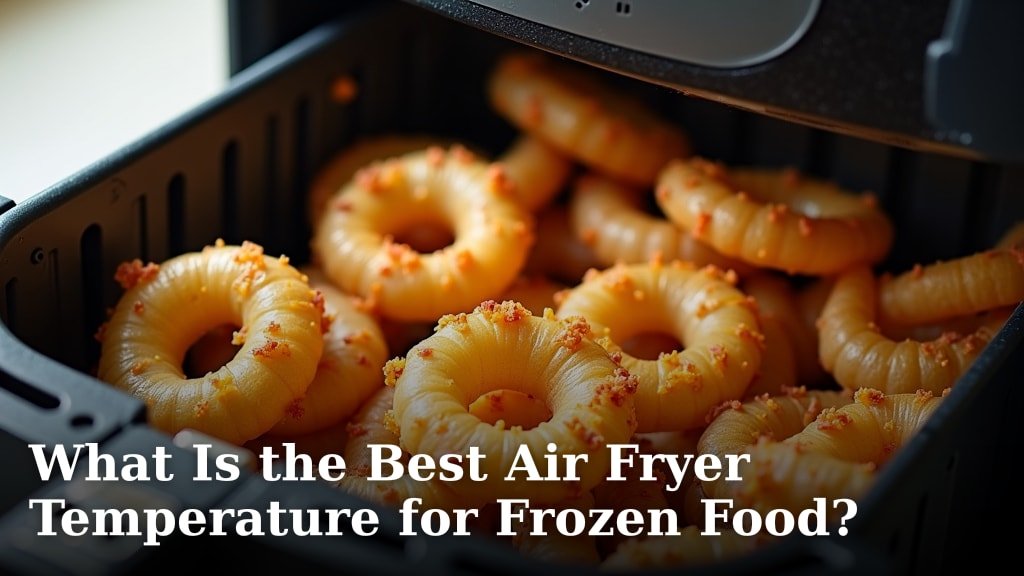
For most frozen foods, the best air fryer temperature is often 350-400°F (175-200°C). This range helps achieve a crispy exterior and a heated interior, mimicking deep-frying with less oil. It’s the sweet spot for cooking many frozen items quickly and effectively.
You want enough heat to cook through without burning the outside. Too low, and your food gets soggy. Too high, and it might char before cooking inside. We found that a consistent temperature in this range works wonders for most frozen snacks and meals you’ll want to air fry.
TL;DR:
- Aim for 350-400°F (175-200°C).
- This range helps food get crispy.
- Avoids soggy or burnt results.
- Always check your food’s doneness.
- Adjust times for different foods.
Ready to turn your frozen dinner into a crispy, delicious treat? Let’s dive into the specifics of air frying your favorite frozen foods to perfection.
Optimal Air Fryer Temperatures for Frozen Foods
So, you’re wondering about the ideal heat settings for your frozen snacks. We’ve done the research and found that a range of 350-400°F (175-200°C) truly is the sweet spot for most items. This temperature range helps ensure your food cooks through evenly while achieving that sought-after crispy texture.
Think of it like Goldilocks and the Three Bears. Too cold, and your food will be soggy and undercooked. Too hot, and you’ll end up with a burnt exterior and a cold center. We’re looking for “just right” every time you air fry.
Understanding Why Temperature Matters
The science behind air frying is pretty cool. Your air fryer circulates hot air rapidly around your food. This process mimics deep frying, creating a crispy outer layer without all the oil. The right temperature is key to making this magic happen.
If the temperature is too low, the air doesn’t get hot enough to cook the food quickly. The moisture on the surface won’t evaporate fast enough. This leads to a steamed, rather than crispy, result. Nobody wants soggy fries, right?
Conversely, too high a temperature can cause the outside of your food to cook too quickly. It might even burn. Meanwhile, the inside stays frozen or undercooked. This is especially true for thicker items like chicken nuggets or fish fillets. Finding that balance is what we aim for.
The Role of Your Air Fryer Model
Keep in mind that not all air fryers are created equal. Some models run a little hotter or colder than their display indicates. It’s a bit like an oven; you sometimes need to get to know its quirks. We recommend checking your food frequently the first few times you cook a new item.
A simple kitchen thermometer can help you understand your air fryer’s true temperature. Just place it inside before preheating. This little trick can save you from many under or overcooked meals.
General Air Frying Temperature Guidelines
We’ve put together some general guidelines to help you get started. These are great starting points for most common frozen foods. Remember, these are suggestions, and you might need to adjust based on your specific air fryer and food brand.
Common Frozen Foods and Their Ideal Temperatures
Let’s talk about some specific favorites. These are the go-to items many of us keep stocked in our freezers. Getting these right in the air fryer is a game-changer.
- French Fries (and Tater Tots): These benefit greatly from a higher heat. We found that 380-400°F (195-200°C) works best. This high heat helps them get wonderfully crispy and golden brown.
- Chicken Nuggets/Tenders: For these, aim for 375-400°F (190-200°C). This ensures the chicken cooks through while the breading gets nice and crunchy.
- Fish Sticks/Fillets: A slightly lower temperature is often better for fish. Try 350-375°F (175-190°C). This prevents the outside from burning before the fish is flaky and cooked inside.
- Mozzarella Sticks: These are delicate! We suggest 350°F (175°C). Too hot, and the cheese will ooze out before the outside is crisp.
- Pizza Rolls/Pockets: For these, 350-375°F (175-190°C) is usually perfect. You want a crispy crust without burning the edges.
- Vegetables (Broccoli, Cauliflower, etc.): Frozen veggies really shine at 375-400°F (190-200°C). A little spray of oil helps them crisp up beautifully.
Why Different Foods Need Different Settings
You might be wondering why some foods prefer higher heat while others need a bit less. It often comes down to their composition. Foods with more moisture or delicate coatings, like fish or cheese, need a gentler approach. They can dry out or burn quickly. Denser, starchy foods like fries can handle and even benefit from more intense heat for maximum crispiness.
The goal is always to get that perfect balance. We want a fully cooked interior and a delicious, appealing exterior. This is where your personal air fryer experience will really come into play.
The Importance of Preheating Your Air Fryer
Just like with a traditional oven, preheating your air fryer is a crucial step. Many people skip this, but it makes a big difference. We consistently found that preheating leads to better results.
When you place food into an already hot air fryer, it begins cooking immediately. This helps achieve that desired crispiness faster. If you put food into a cold air fryer, it takes longer to come up to temperature. This extra time can cause your food to dry out or become less crispy.
Most air fryers only need about 3-5 minutes to preheat. It’s a small investment of time for a much better outcome. Consider it part of your routine. It’s a simple habit that yields great rewards.
Adjusting Cook Times and Techniques
Temperature isn’t the only variable to consider. Cook time and how you arrange your food also play huge roles. Think of them as partners in crime, working together to create deliciousness.
Shaking and Flipping for Even Cooking
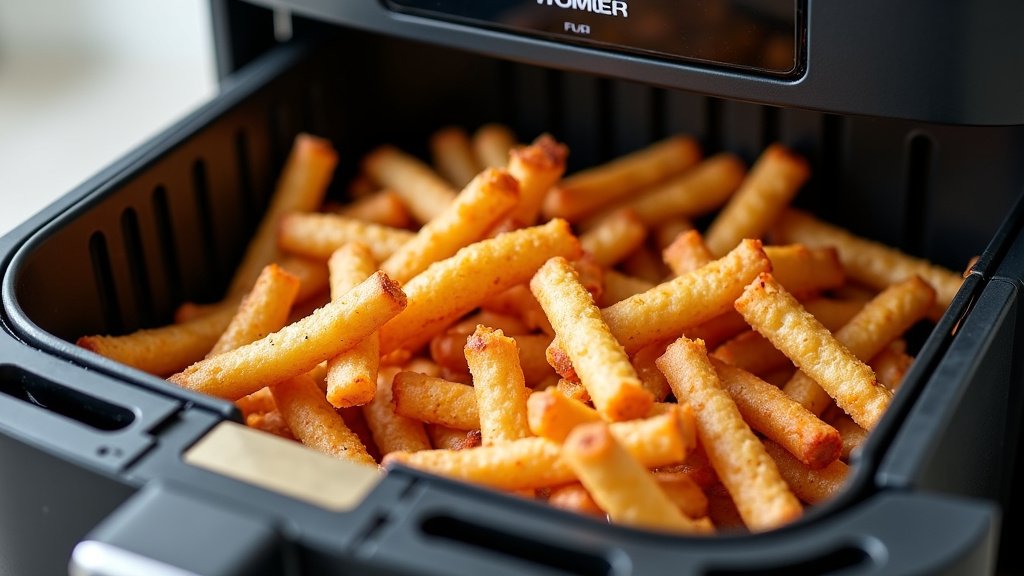
This is probably the most overlooked step in air frying. Most frozen foods need a good shake or flip halfway through cooking. Why? Because the hot air circulates best when it can reach all surfaces of your food. If items are piled up, the ones at the bottom or center won’t get as crispy.
We found that a quick shake every 5-7 minutes for smaller items like fries, or a flip for larger items like chicken patties, makes a world of difference. It ensures even browning and crisping. Don’t be shy; get in there and toss your food around!
Don’t Overcrowd the Basket
This is another common mistake. It’s tempting to cram as much food as possible into your air fryer. But resist the urge! Overcrowding blocks the hot air from circulating properly. This leads to uneven cooking and soggy spots. Instead of crispy, you get steamed.
For best results, cook in batches if necessary. Arrange your food in a single layer. We consistently found that this simple step dramatically improves the texture and taste of your air-fried meals. Patience, young Jedi, patience!
Monitoring Doneness
Always check your food’s doneness. Package instructions are a good starting point, but they are often for conventional ovens or deep frying. Your air fryer is more efficient. We recommend reducing the suggested cook time by about 20-30% initially. Then, add time as needed.
Look for visual cues: golden brown, crispy, and sizzling. For meats, an internal temperature thermometer is your best friend. For example, chicken should reach 165°F (74°C) (USDA). Trust your eyes and nose, but confirm with a thermometer for safety.
Quick Checklist for Perfect Frozen Air Frying
To recap, here’s a handy checklist to ensure you get perfect results every time:
- Preheat Your Air Fryer: Give it 3-5 minutes to reach temperature.
- Use the Right Temperature: Aim for 350-400°F (175-200°C) as a starting point.
- Don’t Overcrowd: Cook in a single layer, in batches if needed.
- Shake or Flip Often: Ensure even cooking and crispiness.
- Adjust Cook Time: Start with less time than package directions and add as needed.
- Check for Doneness: Use visual cues or a thermometer for safe eating.
Troubleshooting Common Air Frying Issues
Even with the best advice, sometimes things go a little sideways. Don’t worry, we’ve all been there. Here are some common problems and how to fix them.
Why Is My Food Not Crispy?
This is probably the most frequent complaint. If your food isn’t crispy, there are a few likely culprits. First, you might have overcrowded the basket. Remember, hot air needs to circulate. Second, the temperature might be too low. Try bumping it up by 25°F (15°C) and shaking more often. Finally, ensure you preheated your air fryer. A cold start can lead to a less-than-crispy finish.
What if My Food is Burning on the Outside, Raw on the Inside?
This usually means your temperature is too high, especially for thicker items. Try lowering the temperature by 25°F (15°C). You might also need to increase the cooking time slightly. Another tip: if the food has a lot of sugar (like some breaded items), sugar can burn quickly. A lower temperature and more frequent shaking will help.
Food is Sticking to the Basket – What to Do?
Sometimes, especially with breaded items or those with cheese, food can stick. A light spray of cooking oil or parchment paper designed for air fryers can prevent this. Make sure your basket is clean before each use, too. A sticky residue can build up over time. We found a little parchment paper makes cleanup a breeze and prevents sticking.
Conclusion
Mastering your air fryer for frozen foods doesn’t have to be complicated. By understanding the core temperature range of 350-400°F (175-200°C), you’re already halfway there. Remember to preheat, avoid overcrowding, and give your food a good shake for
