
Why Is My Air Fryer Smoking When I Use Oil?
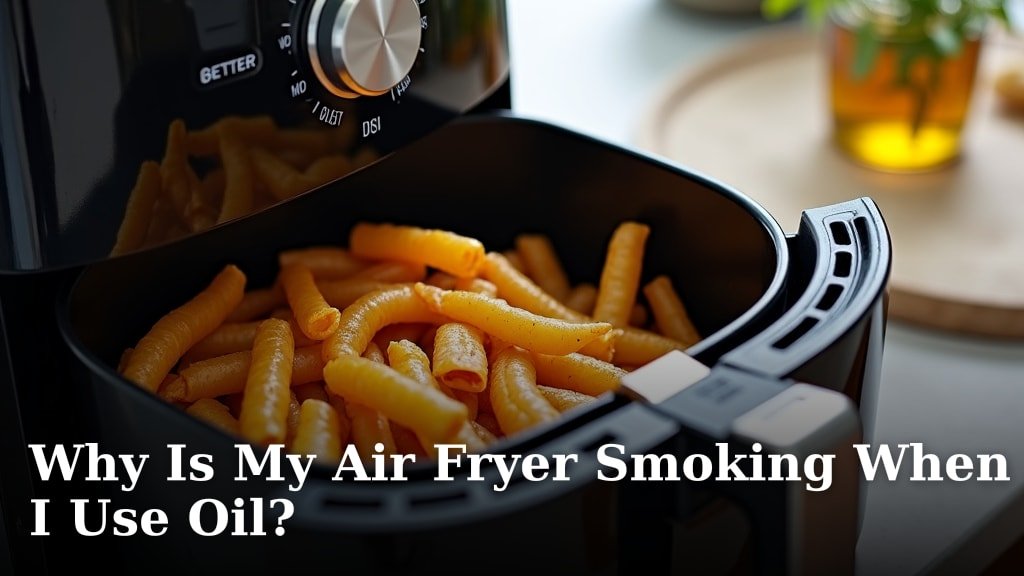
Your air fryer is smoking when you use oil because of excess oil, high temperatures, or old food residue. When oil gets too hot, it reaches its smoke point and creates smoke. This can also happen if oil splatters onto the heating element.
Many people find this concerning, and it’s a common question for air fryer owners. Understanding the science behind smoke points and proper air fryer care can help prevent it. We found that a little smoke usually isn’t a problem, but heavy, dark smoke needs attention.
TL;DR:
- Oil smoke points are key.
- Too much oil causes smoke.
- Old food bits can burn.
- High temperatures are a factor.
- Clean your air fryer regularly.
Let’s walk through why your air fryer might be smoking, what you can do about it, and how to keep your cooking experience smoke-free and enjoyable.
Understanding Why Your Air Fryer Smokes with Oil
When your air fryer starts smoking, especially after adding oil, it’s usually a sign that something is reacting to the heat. Most often, it comes down to a few key culprits: the oil itself, how much you’re using, or what’s already inside your air fryer.
We’ve found that this is a very common experience for new and experienced air fryer users alike. Don’t worry, it’s often an easy fix!
The Science of Smoke Points
Every cooking oil has a specific temperature at which it starts to break down and produce visible smoke. This is called its smoke point.
When oil reaches its smoke point, it’s not just a visual nuisance. The oil can begin to burn, releasing compounds that can affect the taste of your food and even produce unwanted fumes. Think of it like charring food – you want to avoid it if possible. We found that choosing the right oil is often your first line of defense.
Different Oils, Different Smoke Points
Not all oils are created equal when it comes to heat. Some oils can handle much higher temperatures before they start smoking. This is super important for air frying, where temperatures can soar.
For example, extra virgin olive oil has a relatively low smoke point. It’s fantastic for salad dressings or light sautéing. But for air frying at 375-400°F? It’s likely to smoke. On the other hand, avocado oil or refined sunflower oil can handle much higher heat.
We put together a quick guide to help you pick the best oils for your air fryer:
| Oil Type | Approximate Smoke Point | Best Use for Air Frying |
|---|---|---|
| Avocado Oil | 520°F (270°C) | Excellent for high-heat cooking |
| Refined Sunflower Oil | 450°F (232°C) | Great all-purpose, high-heat option |
| Safflower Oil (Refined) | 450°F (232°C) | Good for frying and roasting |
| Grapeseed Oil | 420°F (215°C) | Neutral flavor, handles high heat well |
| Vegetable Oil (Soybean) | 450°F (232°C) | Common and good for general use |
| Extra Virgin Olive Oil | 375°F (190°C) | Best avoided for high-heat air frying |
As you can see, choosing an oil with a higher smoke point is a simple yet effective way to prevent smoking.
Too Much Oil or Improper Application
Even with the right oil, using too much can cause problems. Air fryers work by circulating hot air, not by deep frying. A little oil goes a long way!
When you add too much oil to your food, several things can happen. The excess oil can drip down onto the heating element or collect in the bottom of the basket. Either way, it gets super hot and starts to burn, leading to smoke.
Oil Dripping onto the Heating Element
Imagine a tiny drop of oil falling onto a scorching hot stovetop burner. What happens? It smokes instantly, right? The same principle applies in your air fryer. The heating element is directly above your food.
If you’ve heavily coated your food or if there’s too much oil, some of it will inevitably drip. This oil then hits the element, vaporizes, and you see smoke. This is often a sudden puff of smoke rather than a continuous stream.
Oil Pooling in the Basket
Sometimes, oil doesn’t drip onto the element but pools in the bottom of the air fryer basket or the drawer beneath it. As the air fryer gets hotter and hotter, this pooled oil eventually reaches its smoke point.
This is especially common when cooking fattier foods, even if you don’t add much oil yourself. The fat renders out, collects, and then smokes. This often creates a more persistent, lingering smoke.
Food Residue: The Hidden Smoker
You might be surprised to learn that it’s not always the fresh oil causing the smoke. Often, it’s something left behind from a previous cooking session. Think of it as forgotten crumbs having a fiery reunion!
Old food bits, grease, or burnt-on residue in your air fryer basket or on the heating element can be a major source of smoke. When you turn on your air fryer, these remnants heat up, burn, and smoke.
Baked-On Grease and Crumbs
Have you ever noticed those stubborn, dark spots on your air fryer basket or the bottom of the drawer? Those are often baked-on food particles or caramelized grease. They can be tricky to clean, but they’re prime candidates for smoking.
Even small bits of food stuck to the mesh or sides can cause smoke. We found that giving your air fryer a thorough cleaning after each use, especially if cooking fatty or saucy foods, is key to preventing this.
Many experts recommend a soak in warm, soapy water for tough spots (Consumer Reports).
High Cooking Temperatures
Air fryers are designed to cook at high temperatures, which is part of their appeal. However, extremely high temperatures can push even high-smoke-point oils to their limits.
If you set your air fryer to its maximum temperature, say 400°F (200°C) or higher, for an extended period, it increases the likelihood of oil smoking. This is particularly true if you’re using an oil that’s just barely rated for that temperature.
Sometimes, a recipe might call for a temperature that’s a bit too ambitious for the oil you’ve chosen. Always match your oil to your cooking temperature.
What Kind of Smoke Are You Seeing?
Understanding the type of smoke can help you diagnose the problem. Not all smoke is created equal, and some are more concerning than others.
Light, Wispy White Smoke
This is often the least concerning. Light, white, wispy smoke usually indicates a small amount of oil reaching its smoke point. It might be a tiny bit of residual oil, a small drip, or simply the oil on your food just starting to vaporize.
You might notice this when preheating your air fryer. It often clears up once the initial burst of heat has settled. While not ideal, it’s typically not a cause for alarm if it’s minimal and dissipates quickly.
Dense, Gray, or Dark Smoke
This is where you should pay closer attention. Darker, thicker smoke, especially if it’s continuous, suggests that a significant amount of oil is burning. This could be due to:
- A large amount of oil pooling.
- Fatty foods rendering a lot of grease.
- Significant baked-on residue burning.
- An incorrect oil choice for the temperature.
This type of smoke will often produce an acrid smell and can affect the taste of your food. It’s a clear signal that you need to investigate and likely clean your air fryer or adjust your cooking method.
Black Smoke with a Burning Smell
If you see black smoke and smell something electrical burning, immediately turn off and unplug your air fryer. This is a very serious sign and could indicate an electrical malfunction or that something inside the appliance is actually burning. Do not continue to use the appliance.
This is rare but requires immediate attention and professional inspection. Safety first!
Quick Checklist for Preventing Smoke
Here’s a quick list of things you can do to keep your air fryer running smoothly and smoke-free:
- Choose oils with a high smoke point for air frying.
- Use a spray bottle or a light brush to apply oil sparingly.
- Always clean your air fryer thoroughly after each use.
- For fatty foods, drain excess fat from the bottom of the basket during cooking.
- Don’t overcrowd the air fryer basket; allow air to circulate.
- Consider lowering the temperature slightly if smoke persists.
By following these simple steps, you can greatly reduce the chances of your air fryer smoking and enjoy perfectly crispy results every time.
Conclusion
Dealing with a smoking air fryer can be a bit startling, but as we’ve discussed, it’s often a fixable issue. You now know that oil choice, application, and air fryer cleanliness are your main allies.
By opting for high smoke point oils, using them sparingly, and consistently cleaning your appliance, you can largely eliminate smoke. We’ve found these simple adjustments make a big difference in your air frying experience.
So, take control of your kitchen. Implement these tips and get back to enjoying perfectly crispy, smoke-free meals!
Frequently Asked Questions
Can I use olive oil in my air fryer without it smoking?
It depends on the type. Extra virgin olive oil has a lower smoke point and will likely smoke at typical air frying temperatures. Refined or light olive oil has a higher smoke point and may be suitable, but high-heat oils like avocado or grapeseed are generally better.
How often should I clean my air fryer to prevent smoking?
You should ideally clean the basket and drawer after every use. For deeper cleaning, especially around the heating element, a thorough wipe-down every few uses or as needed will prevent baked-on residue from causing smoke. For detailed steps on how to clean an air fryer basket effectively, consult our comprehensive guide.
What if my air fryer smokes even without oil?
If your air fryer smokes without any added oil, it’s almost certainly due to old food residue or grease burning off. Make sure to clean the heating element and all internal surfaces thoroughly. Fatty foods can also render their own grease, which then pools and smokes.
Is it dangerous if my air fryer smokes a little?
Light, white, wispy smoke from minimal oil is usually not dangerous, though it can affect food taste. Dense, dark, or continuous smoke is a sign of oil burning excessively and should be addressed. If you see black smoke or smell burning plastic/electrical, unplug it immediately as it could indicate a serious malfunction.
Can overloading my air fryer cause it to smoke?
Yes, overloading your air fryer can indirectly lead to smoking. When too much food is packed in, air circulation is hampered. This can lead to uneven cooking and can also cause food to cook longer, increasing the chance of oils or fats reaching their smoke point and burning.
