
Why Does My Air Fryer Cook Time Differ from the Recipe?
Your air fryer cook time might differ from a recipe because many factors affect cooking speed. The most common reasons include your specific air fryer model, the amount of food you’re cooking, and even the temperature of your kitchen. Recipes often provide a guideline, but achieving perfect results usually requires a bit of your own testing. Don’t worry if it’s not exact; it’s quite normal!
We’ve found that the performance of air fryers can vary widely. Even two identical models might cook slightly differently due to manufacturing tolerances. Think of it like ovens – some run hotter than others. So, a recipe’s suggested time is a starting point, not a strict rule. Always keep an eye on your food as it cooks.
TL;DR:
- Different air fryer models cook at different speeds.
- The amount of food in the basket matters.
- Food temperature before cooking makes a difference.
- Recipe times are usually just a starting point.
- Visual checks and a meat thermometer are your best friends.
Let’s walk through the common reasons why your air fryer might be cooking faster or slower than the recipe suggests, and what you can do about it.
Why Your Air Fryer Cooks Differently Than the Recipe
It’s a common kitchen mystery! You follow a recipe precisely, only to find your air fryer takes longer or cooks much faster. This can be frustrating, but there are usually very good reasons for the difference. Think of recipe times as helpful suggestions rather than strict commands. We’ve found that achieving perfect air-fried food often involves a little personal adjustment.
Understanding Your Air Fryer’s Unique Personality
Your specific air fryer model plays a **huge role** in cooking times. Not all air fryers are created equal, even if they look similar. Manufacturers use different heating elements and fan speeds. Some have more powerful fans that circulate air more vigorously. Others might have a heating element positioned closer to the food. We’ve seen that these variations can lead to quite different cooking results between brands and even models within the same brand. It’s like having a slightly different oven every time you visit a friend’s house! Your specific air fryer model significantly impacts cooking times due to variations in heating elements and fan speeds.
Wattage Matters More Than You Think
The wattage of your air fryer is a key indicator of its power. A higher wattage generally means it heats up faster and can maintain a higher temperature more consistently. For example, a 1700-watt air fryer will likely cook food faster than a 1300-watt model. Research consistently shows that appliance wattage directly impacts cooking performance. Always check the wattage on your appliance. This number is usually found on a sticker on the bottom or back of your air fryer.
Fan Speed and Air Circulation
The fan in your air fryer is what creates that “air frying” effect. It blasts hot air around your food, mimicking deep frying without the oil. Some air fryers have very strong fans. These can cook food more quickly by ensuring even heat distribution. Other models have less powerful fans. This means the air might not circulate as effectively. You might need to shake the basket more often with a less powerful fan. We found that aggressive air circulation is often the secret to faster cooking times.
How Much Food Are You Actually Cooking?
The amount of food you put into your air fryer basket is perhaps the **most impactful** factor after the appliance itself. Recipes are usually written for a specific quantity. If you overcrowd the basket, you’re essentially steaming the food rather than frying it. The hot air can’t circulate properly. This leads to longer cooking times and unevenly cooked results. It’s a common mistake beginners make. We recommend cooking in batches if you’re unsure. Your food will thank you with crispier results!
The “Single Layer” Rule
Most air fryer recipes assume you’ll be cooking food in a single layer. This allows air to flow freely around each piece. If you stack food, the pieces on the bottom won’t get direct exposure to the hot air. This significantly increases cooking time. Many experts suggest using the “single layer” rule as a **golden guideline** for best results. You might need to cook in multiple batches. This ensures every piece gets that desirable crispiness.
Smaller Batches Cook Faster
Conversely, if you’re cooking a much smaller amount than the recipe calls for, your food will likely cook **much faster**. Imagine a recipe for 1 pound of fries. If you only put in half a pound, it won’t take nearly as long to crisp up. The heat is more concentrated on the smaller volume of food. This is why you always need to keep an eye on your food, especially when reducing the quantity. We’ve found that small adjustments in food amount can lead to big changes in cook time.
Food Temperature Before It Goes In
Did you know that the starting temperature of your food makes a difference? Most recipes assume your ingredients are at **room temperature** or refrigerated. If you’re cooking something straight from the freezer, it will take significantly longer. Conversely, if your ingredients are already warm or at room temperature when a recipe might expect them to be cold, they’ll cook faster. This is a factor that many home cooks overlook.
Frozen vs. Fresh: A Big Difference
Cooking frozen items, like fries or chicken nuggets, requires more time. The air fryer has to thaw the food first before it can even start cooking and crisping it. Recipes for fresh ingredients won’t apply directly to frozen ones. You’ll typically need to add several extra minutes to the cooking time when using frozen produce or proteins. The U.S. Department of Agriculture (USDA) provides guidelines for cooking temperatures for various meats, emphasizing the importance of reaching safe internal temperatures regardless of the cooking method.
Room Temperature Brings Efficiency
If a recipe calls for ingredients to be at room temperature, like butter for cookies or chicken before roasting, letting them sit out helps. Room temperature ingredients cook more **evenly and quickly**. They require less energy from the air fryer to reach their desired internal temperature. If you’re pressed for time, you can warm ingredients gently. Just be careful not to overdo it. We’ve found that even a few degrees difference can nudge the cook time.
Other Factors That Can Affect Cook Time
Beyond the big three (appliance, quantity, starting temp), several other variables can influence how long your food takes to cook. Understanding these can help you troubleshoot and adjust your cooking methods. These might seem minor, but they all add up.
The Ambient Kitchen Temperature
Believe it or not, the temperature of your kitchen can have a slight impact. On a very cold day, your air fryer might have to work a bit harder to reach and maintain its set temperature. Similarly, a very hot kitchen might offer slightly better preheating. While this effect is generally minimal, it can contribute to slight variations. It’s one more reason why recipe times are guides, not rigid rules. Many small appliances are affected by ambient conditions (Cleveland Clinic).
Altitude Isn’t Always a Factor, But It Can Be
For most air fryer cooking, altitude doesn’t play a significant role. However, at very high altitudes, water boils at a lower temperature. This can sometimes affect cooking times for foods that rely heavily on steaming or boiling within the frying process. If you live at a high altitude, you might notice slight differences, especially for foods with a high moisture content. This is a common consideration in traditional baking and roasting, and it can apply here too.
Preheating Your Air Fryer
Did you preheat your air fryer? Most recipes assume you did. Preheating allows the appliance to reach the target temperature *before* you add your food. This ensures that cooking starts immediately and evenly. If you skip preheating, you’re essentially adding that time to your overall cooking duration. We recommend always preheating your air fryer for at least 3-5 minutes. It makes a noticeable difference in crispiness and evenness.
Your Go-To Checklist for Perfect Air Frying
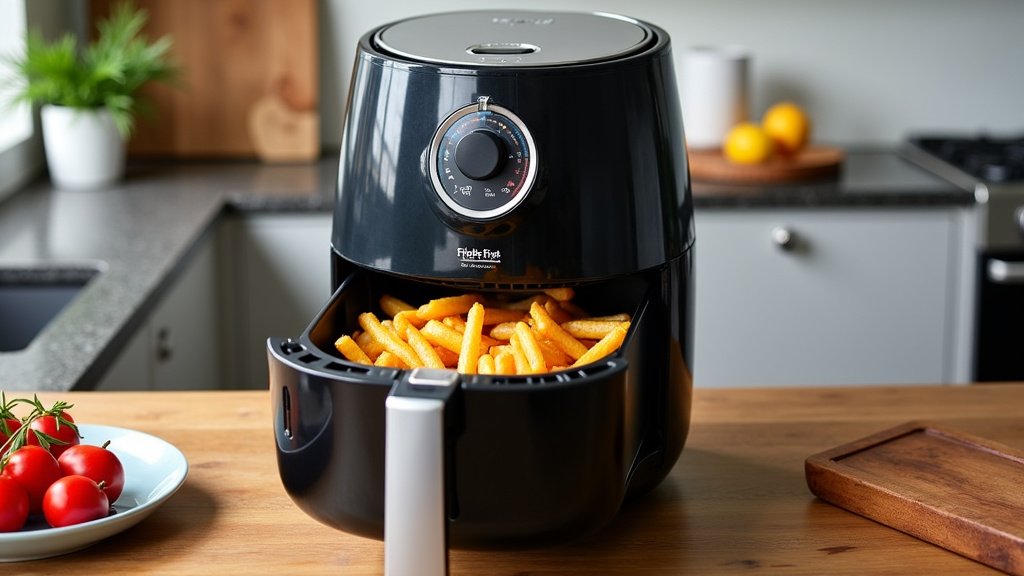
To get the best results every time, make it a habit to check on your food regularly. Here’s a quick checklist to keep in mind:
- Visual Inspection: Is your food looking golden brown and crispy?
- Shake It Up: Remember to shake the basket halfway through or at intervals.
- Use a Thermometer: For meats, always use an instant-read thermometer to check internal temperature.
- Trust Your Senses: Does it smell done? Does it look done?
- Adjust Time as Needed: If it’s cooking too fast or too slow, adjust the remaining time.
Conclusion
You’ve learned that your air fryer’s cook time is a personal journey. It’s not a one-size-fits-all situation like a recipe might suggest. Your specific air fryer model, how much food you add, and even its starting temperature all play a role. Think of recipes as a starting point, not the final word. Your best bet is to observe your food closely.
Trust your senses and use a thermometer for meats. Don’t be afraid to adjust the cooking time as needed. With a little practice, you’ll master your air fryer’s unique rhythm. Happy air frying!
Frequently Asked Questions
Do I really need to preheat my air fryer?
Yes, preheating is highly recommended for best results. Most recipes assume your air fryer is already hot when you add food. Preheating ensures your food starts cooking immediately and evenly, leading to crispier results. Aim for about 3-5 minutes of preheating.
Can I cook frozen foods in my air fryer?
You absolutely can cook frozen foods, but expect longer cooking times. The air fryer first needs to thaw the food before it can cook and crisp it. Recipes designed for fresh ingredients won’t work directly for frozen items. You’ll likely need to add several extra minutes to the cooking time.
What does “overcrowding the basket” mean?
Overcrowding means you’ve put too much food in the air fryer basket. When the basket is too full, hot air can’t circulate properly around each piece. This can lead to uneven cooking and longer cook times, almost like steaming your food instead of frying it.
How do I know if my food is done?
Visually inspect your food for golden-brown crispiness. For meats, the most reliable method is using an instant-read thermometer to check the internal temperature. For other foods, trust your senses – does it look and smell cooked?
Why do smaller batches cook faster?
When you cook a smaller amount of food than the recipe calls for, it cooks faster because the heat is more concentrated. There’s less food for the air fryer to heat up. This is why it’s important to keep an eye on your food, especially when cooking less than the recipe suggests, and adjust the time accordingly.
