
What Is the Best Temperature for Air Fryer Salmon?
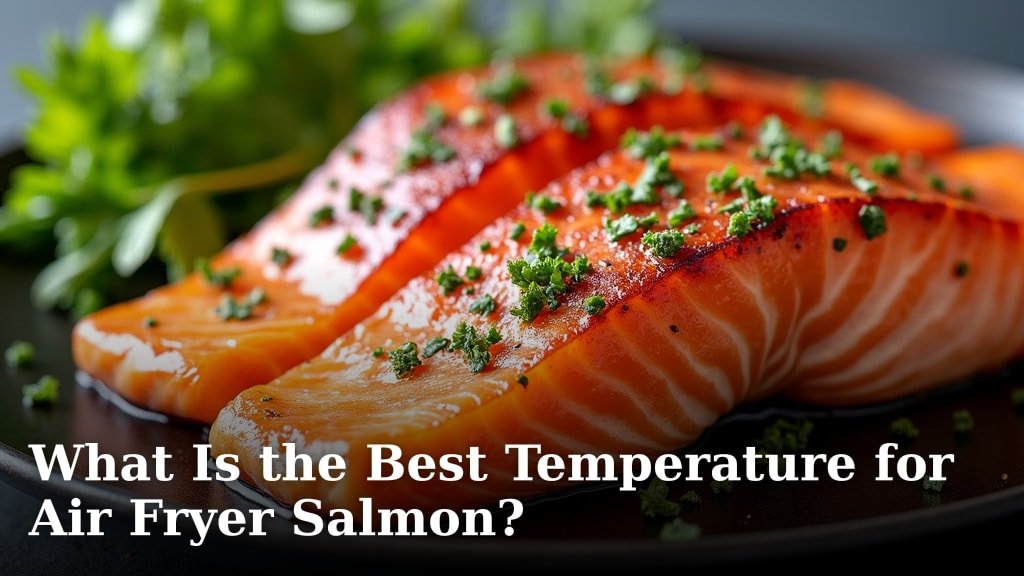
The best air fryer temperature for salmon is typically between 375°F and 400°F. This range ensures your salmon cooks quickly, resulting in a perfectly flaky interior and a slightly crispy exterior without drying it out. Many home cooks find 390°F to be the sweet spot for most salmon fillets.
Getting the temperature right is key to achieving that restaurant-quality salmon at home. It’s not just about the heat, but also about timing. The ideal temperature helps you avoid undercooked, mushy fish or overcooked, dry salmon. We’ve researched what works best for this popular fish.
- Best temp range: 375°F – 400°F.
- A common sweet spot: 390°F.
- Cooks quickly for flaky results.
- Helps achieve a crispy exterior.
- Avoids drying out your salmon.
Ready to get that salmon cooked to perfection? Let’s walk through exactly how to nail the ideal temperature for your air fryer.
Finding the Sweet Spot: Air Fryer Salmon Temperature Guide
So, you’re ready to cook some salmon in your air fryer and want to get it just right. The best air fryer temperature for salmon is usually somewhere between 375°F and 400°F. This range is your golden ticket to deliciously flaky salmon with a nice, lightly crisp exterior, all without turning it into a dry, sad piece of fish. Many home cooks have found that 390°F is the magic number for most salmon fillets.
Why Temperature Matters So Much for Salmon
When you’re cooking salmon, temperature is really your best friend. Get it right, and you’ll have a meal that rivals your favorite restaurant. Too low, and you risk undercooked, mushy fish. Too high, and you’ll end up with dry, tough salmon that’s hard to enjoy. The air fryer, with its circulating hot air, can be a game-changer. It cooks food quickly and evenly, which is perfect for delicate proteins like salmon. The trick is finding that sweet spot that cooks it through without overdoing it.
We’ve looked into what works best for this popular fish, and the consensus is clear: precision in temperature settings will lead you to salmon perfection. It’s all about balancing the cooking time with the heat to achieve that ideal texture.
The Ideal Temperature Range Explained
Let’s break down why that 375°F to 400°F range is so effective. Think of it like this: you want the heat to be high enough to crisp up the outside of the salmon quickly, creating a lovely texture. But you don’t want it so scorching hot that the inside dries out before the outside is done. This temperature range allows for rapid cooking.
375°F: A Reliable Starting Point
Starting at 375°F is a solid choice, especially if you’re a bit hesitant or cooking thinner fillets. This temperature provides a gentler heat that is less likely to overcook the salmon. It allows for a more forgiving cooking window, meaning you have a little more time to react if your salmon is cooking faster than you expect. You’ll still get a nicely cooked piece of fish, though the exterior might be less crisp than at higher temperatures.
400°F: For a Crispier Finish
If you’re aiming for that coveted crispy skin or a nicely browned exterior, pushing the temperature up to 400°F can be your best bet. This higher heat sears the outside of the salmon more effectively. It cooks the fish very quickly. You’ll need to keep a closer eye on it, though, as the risk of drying out increases. This temperature is often used for thicker fillets or when you want that extra textural contrast.
390°F: The Versatile Sweet Spot
Many home cooks and recipe developers have found 390°F to be the ideal happy medium. It’s hot enough to give you a good exterior crisp without being so aggressive that it immediately dries out the fish. This temperature offers a great balance of quick cooking and moisture retention. It works well for a variety of salmon fillet thicknesses, making it a go-to for many.
Factors That Influence Your Salmon’s Cook Time
While the temperature is super important, it’s not the only factor that determines how your salmon turns out. Several other elements play a role in achieving that perfect cook. Think of them as your supporting cast to the star: the temperature.
Fillet Thickness Matters
Just like cooking any protein, the thickness of your salmon fillet is a big deal. A thinner fillet will cook much faster than a thick, robust one. If you set your air fryer to a high temperature for a thin piece, you might end up with overcooked fish in just a few minutes. Thicker cuts can handle the heat for a bit longer, allowing the inside to cook through without the outside becoming tough.
Starting Temperature of Your Salmon
Did you remember to take your salmon out of the fridge ahead of time? The starting temperature of your fish can also affect cooking. Salmon that is closer to room temperature will cook more evenly and quickly than a fillet straight from the cold refrigerator. Many culinary guidelines suggest letting proteins rest for a bit before cooking (Mayo Clinic). This allows for more consistent cooking from edge to center.
Your Specific Air Fryer Model
Here’s a little secret: not all air fryers are created equal. They can vary in how accurately they maintain their set temperature and how efficiently they circulate air. Some run hotter, while others might run a little cooler. This means you might need to adjust your temperature or cooking time slightly based on your specific air fryer. It often takes a couple of tries to learn your appliance’s quirks.
How to Achieve Perfectly Flaky Salmon
Now that we’ve talked about temperature and other factors, let’s focus on what you’re really after: that perfectly flaky texture. It’s the hallmark of well-cooked salmon.
The Doneness Test: What to Look For
How do you know when your salmon is done? The easiest way is the “flake test.” Gently insert a fork into the thickest part of the fillet and twist it slightly. If the salmon flakes easily into moist, opaque pieces, it’s ready. If it still looks translucent or feels tough, it needs a little more time. If it falls apart into dry, crumbly bits, it’s unfortunately overcooked.
Many sources recommend cooking salmon to an internal temperature of 145°F (FDA). You can use an instant-read thermometer to check the thickest part of the fillet. Remember that salmon will continue to cook a little after you remove it from the air fryer due to residual heat. So, pulling it out just before it reaches the target temperature is often a good strategy.
The Role of Cooking Time
Temperature and time work hand-in-hand. For most salmon fillets (about 1 inch thick), cooking at 390°F often takes between 8 to 12 minutes. Thinner fillets might only need 6-8 minutes, while thicker ones could go up to 15 minutes. Always start checking for doneness around the lower end of the estimated time.
We found that a 1-inch thick salmon fillet at 390°F typically needs about 10 minutes. This time can vary, so it’s always best to check early. Overcooking is the most common mistake, leading to dry salmon.
Tips for Air Fryer Salmon Success
To ensure your salmon turns out amazing every time, here are a few extra tips to keep in mind. These small adjustments can make a big difference in your final dish.
- Preheat your air fryer: Just like a conventional oven, preheating your air fryer helps ensure even cooking from the moment the salmon goes in. Aim for about 3-5 minutes at your chosen temperature. Learn more about why preheating your air fryer is important for even cooking.
- Don’t overcrowd the basket: Give your salmon fillets space. If you put too many in at once, the hot air can’t circulate properly, leading to uneven cooking and less crispiness. Cook in batches if necessary.
- Pat your salmon dry: Before seasoning, pat the salmon fillets very dry with paper towels. This helps the skin crisp up and allows seasonings to adhere better.
- Consider the skin: If your salmon has skin on, placing it skin-down first can help it get extra crispy.
- Resting is good: Even with air-fried salmon, letting it rest for a minute or two after cooking can help the juices redistribute, making it more moist and flavorful.
Troubleshooting Common Air Fryer Salmon Issues
Even with the best intentions, sometimes things don’t go perfectly. Let’s address a few common problems you might encounter when air frying salmon and how to fix them.
My Salmon is Dry!
This is the most frequent complaint! If your salmon ended up dry, it likely cooked for too long or at too high a temperature. For your next attempt, try reducing the cooking time by a couple of minutes or lowering the temperature by 10-15°F. Ensuring your salmon isn’t straight from the fridge before cooking also helps. And remember that internal temperature check!
My Salmon is Undercooked in the Middle
If you’re finding the center is still a bit raw or mushy, you might need to increase the cooking time slightly or ensure your temperature is set correctly. If you’re cooking multiple fillets, make sure they aren’t too close together. Sometimes, a thick fillet just needs a few extra minutes.
The Skin Isn’t Crispy
Crispy skin is a goal for many! If yours isn’t cooperating, make sure you’ve patted the skin very dry before cooking. Using a little oil on the skin can also help. Cooking skin-down for at least the first half of the cooking time, and potentially at a slightly higher temperature (like 400°F for a portion of the cook), can encourage crispiness.
A Quick Temperature Checklist for Air Fryer Salmon
To make things even easier, here’s a quick reference to help you nail that perfect temperature:
- Beginner’s Choice: Start with 375°F for a gentler cook.
- The Sweet Spot: Aim for 390°F for a great balance.
- For Extra Crisp: Try 400°F, but watch closely!
- Thickness Factor: Adjust time for fillet thickness.
- Don’t Forget: Preheat your air fryer!
- Check Early: Start checking for doneness a few minutes before you think it’s ready.
Conclusion
You’ve learned that the best air fryer temperature for salmon really shines between 375°F and 400°F, with 390°F often being the sweet spot. Remember, factors like fillet thickness and your specific air fryer model play a part in achieving that perfect flaky texture. Don’t be afraid to experiment a little to find what works best for you. Now you’re ready to air fry your way to delicious, perfectly cooked salmon every time. Grab those fillets and get cooking!
Frequently Asked Questions
How do I know if my salmon is done cooking in the air fryer?
You can perform the “flake test” by gently inserting a fork into the thickest part of the fillet and twisting. If it flakes easily into moist, opaque pieces, it’s ready. For precision, aim for an internal temperature of 145°F using an instant-read thermometer.
Can I cook frozen salmon in the air fryer?
Yes, you can, but it requires some adjustments. You’ll typically need to increase the cooking time and may want to start at a slightly lower temperature (around 360°F-375°F) to allow it to thaw and cook through without burning the exterior. Monitor it closely.
What’s the difference between air frying salmon at 375°F and 400°F?
At 375°F, you’ll get a gentler cook, which is more forgiving and less likely to dry out your salmon, though the exterior might be less crisp. At 400°F, you’ll achieve a crispier exterior and quicker cooking, but you need to watch it more carefully to prevent overcooking.
Why is my air fryer salmon always dry?
Dry salmon usually means it cooked too long or at too high a temperature. For your next attempt, try reducing the cooking time by a few minutes or lowering the temperature by 10-15°F. Also, ensure your salmon wasn’t straight from the fridge before cooking.
Do I need to preheat my air fryer for salmon?
Yes, preheating your air fryer for about 3-5 minutes at your chosen cooking temperature is highly recommended. This ensures your salmon begins cooking immediately and evenly, just like in a conventional oven.
