
Is It Safe to Air Fry Meat without Checking Internal Temperature?
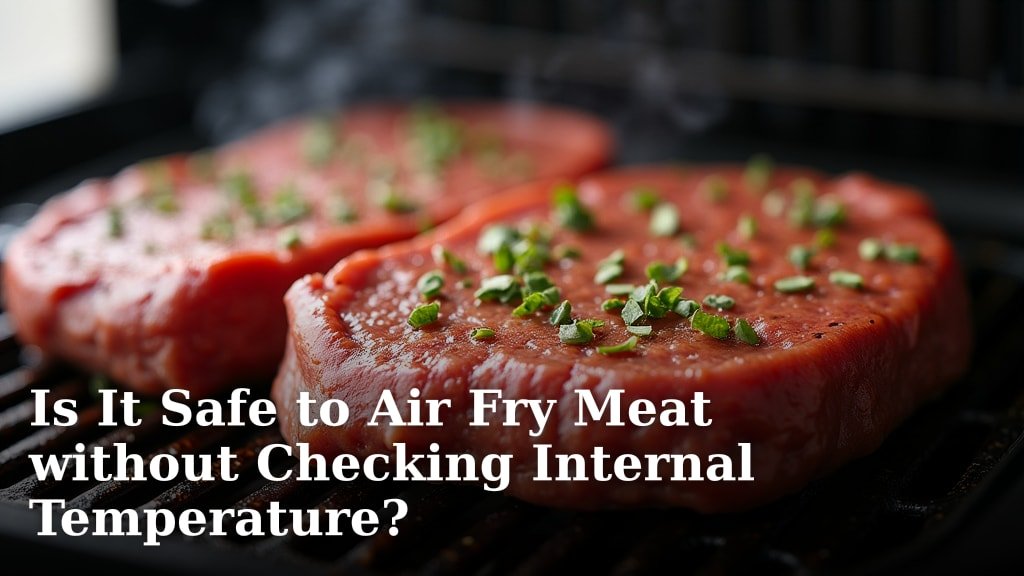
No, it is not always safe to air fry meat without checking its internal temperature. While air fryers cook food quickly, **safely cooked meat** requires reaching specific internal temperatures to kill harmful bacteria. Relying solely on time can be risky, especially with different cuts and thicknesses of meat, and can lead to undercooked or overcooked results.
Understanding the proper cooking temperatures for various meats is essential for food safety and taste. Air fryers can be fantastic tools for achieving crispy textures, but they are not foolproof. We found that using a meat thermometer is the most reliable way to ensure your meat is cooked safely and tastes delicious every single time you use your air fryer.
- Air fryers cook fast, but don’t guess on meat temp.
- Undercooked meat can carry dangerous bacteria.
- Overcooked meat is dry and not enjoyable.
- A meat thermometer is your best friend for safety and flavor.
Let’s walk through why checking that internal temperature is so important and how to do it easily when air frying.
Air Frying Meat Safely: Understanding Internal Temperatures
Is it safe to air fry meat without checking its internal temperature? The short answer is: it’s risky and often not safe. While air fryers cook food quickly and can make it wonderfully crispy, meat safety isn’t just about appearance. It’s about reaching specific temperatures that kill harmful bacteria. Guessing can lead to undercooked, unsafe food, or overcooked, dry meat. We found that relying on time alone is a gamble you don’t want to take with your health or your dinner.
Think of your air fryer like a powerful mini-oven. It circulates hot air rapidly. This means things cook faster than in a conventional oven. But speed doesn’t replace the need for **food safety standards**. Different cuts of meat, their thickness, and even how crowded the air fryer basket is can all affect cooking time. This is why a recipe’s cook time is just a guideline, not a guarantee.
Many food safety organizations stress the importance of cooking meats to recommended internal temperatures. This is the most reliable way to ensure any potential pathogens are destroyed. We’ve seen many home cooks assume that “it looks done” is good enough. But visible browning or a lack of pinkness doesn’t always mean the meat is safe to eat. This is especially true for poultry and ground meats, which carry higher risks.
Why Temperature Matters: More Than Just a Guess
Meat can harbor bacteria like Salmonella, E. coli, and Listeria. These microscopic organisms can cause serious foodborne illnesses. Cooking meat to the correct internal temperature is the most effective way to kill these harmful bacteria. Research consistently shows that hitting these temperature targets is key to preventing illness (CDC).
Have you ever bitten into chicken that still had a bit of pink and felt a knot of worry in your stomach? That’s because we intuitively know that undercooked poultry is a no-go. The same principle applies to other meats. While steak might be enjoyed rarer, ground meats, pork, and chicken must reach specific safe temperatures to be considered safe for consumption. Guessing the temperature can leave you playing a dangerous game of roulette with your health.
On the flip side, overcooking meat can ruin its texture and flavor. You end up with dry, tough food that’s disappointing. Striking the right balance ensures your meat is both safe and enjoyable. This is where checking the internal temperature becomes your secret weapon for perfectly cooked meals. It’s about achieving that ideal texture and juiciness every time.
The Dangers of Undercooked Meat
Undercooked meat is a breeding ground for bacteria that can make you very sick. Symptoms of food poisoning can range from mild stomach upset to severe vomiting, diarrhea, and fever. In some cases, these illnesses can require hospitalization and have long-term health consequences. It’s simply not worth the risk to serve or eat meat that hasn’t reached a safe internal temperature.
Ground meats are particularly tricky. When meat is ground, any bacteria on the surface can be mixed throughout. This means the entire batch needs to be cooked thoroughly. A burger that looks nicely browned on the outside might still be cool and undercooked in the center. This is why many health experts recommend cooking ground beef to at least 160°F (71°C) (USDA).
Poultry is another high-risk food. Whether it’s chicken breasts, thighs, or wings, they need to reach 165°F (74°C) for safety. This is non-negotiable. We’ve found that people often rely on visual cues for poultry, but color alone isn’t a reliable indicator of safety. A meat thermometer is essential for ensuring chicken is cooked all the way through.
The Risk of Overcooked Meat
While the primary concern is safety, overcooking is also a common air frying pitfall. No one wants to bite into a tough, dry piece of chicken or a leathery pork chop. When you rely solely on time, it’s easy to go past the point of perfection. The rapid cooking of an air fryer can quickly turn tender meat into something less palatable.
This is why understanding the target temperatures for your specific cut of meat is so important. Different meats and cuts have different ideal internal temperatures for peak flavor and texture. For example, a medium-rare steak is delicious, but you’d never want medium-rare chicken. Knowing these targets helps you pull the meat out at just the right moment, avoiding both undercooking and overcooking.
Your Trusty Tool: The Meat Thermometer
If you’re serious about air frying meat safely and deliciously, a meat thermometer is non-negotiable. It’s a small investment that pays huge dividends in food safety and culinary success. Forget about guessing or relying on the timer alone; a thermometer gives you definitive proof that your food is cooked just right.
There are several types of meat thermometers available. Digital instant-read thermometers are very popular because they provide quick and accurate readings. Probe thermometers are also great, especially for larger cuts, as you can leave them in the meat as it cooks. Even an old-school dial thermometer can work, though they are often less precise than digital models. What matters most is that you have one and you use it!
Using a thermometer is simple. You just need to insert the probe into the thickest part of the meat, avoiding any bones or fatty areas. For ground meat patties, insert it sideways into the center. For whole cuts like chicken breasts or pork chops, insert it from the side into the thickest part. Quick, accurate readings take the guesswork out of cooking.
Recommended Internal Temperatures for Common Meats
Having a quick reference guide for safe internal temperatures can make a world of difference. Many food safety guidelines are consistent across reputable sources. Here are some of the most common targets you’ll want to aim for when air frying:
| Meat Type | Safe Minimum Internal Temperature (Fahrenheit) | Safe Minimum Internal Temperature (Celsius) |
|---|---|---|
| Ground Meats (Beef, Pork, Veal, Lamb) | 160°F | 71°C |
| Poultry (Chicken, Turkey, Duck – whole or parts) | 165°F | 74°C |
| Poultry Breasts (e.g., Chicken Breast) | 165°F | 74°C |
| Pork (Chops, Roasts, Tenderloin) | 145°F (with 3-minute rest) | 63°C (with 3-minute rest) |
| Steaks, Roasts, Chops (Beef, Veal, Lamb – whole cuts) | 145°F (medium-rare, with 3-minute rest) | 63°C (medium-rare, with 3-minute rest) |
It’s important to note the “with rest” times for pork and whole cuts of beef, veal, and lamb. After you remove these meats from the heat, their internal temperature will continue to rise slightly. This process, called carryover cooking, further helps to ensure safety and improves juiciness. Allowing your meat to rest for at least 3 minutes is a simple step that makes a big difference.
Remember, these are minimum safe temperatures. If you prefer your steak more well-done, you’ll aim for higher temperatures. However, for safety reasons, never go below these recommended minimums, especially for ground meats and poultry. We found that keeping this chart handy makes air frying much less stressful.
How to Use Your Meat Thermometer in the Air Fryer
Using a thermometer with your air fryer is straightforward. First, preheat your air fryer as you normally would. Then, prepare your meat. Place it in the air fryer basket, ensuring not to overcrowd it, as this can lead to uneven cooking. Start cooking according to your recipe or desired time.
When you believe the meat is close to being done, it’s time to check the temperature. Open the air fryer and carefully insert the thermometer probe into the thickest part of the meat. Try to avoid touching the heating element or the sides of the basket. If you’re checking multiple pieces, test a few different ones to get an average.
If the temperature has reached the safe minimum for that type of meat, you’re good to go! If not, close the air fryer and continue cooking, checking the temperature every few minutes. This prevents overcooking and ensures you hit that perfect internal temp. It’s a proactive approach to food safety and delicious results.
Air Fryer Specifics: What to Watch For
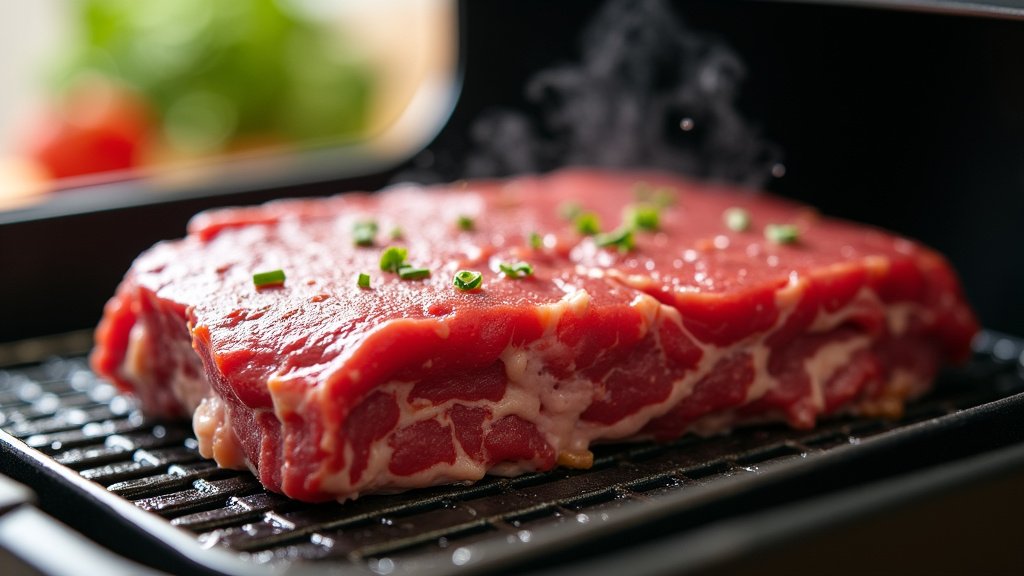
Air fryers are fantastic, but they aren’t magic. They cook food quickly because of the intense, circulating hot air. This means your cooking times can be shorter than what a conventional oven recipe suggests. This speed can be a double-edged sword when it comes to meat temperatures. You might think something is done based on time, but it’s still not safe internally.
The size and shape of your air fryer basket matter too. A crowded basket means hot air can’t circulate properly. This can lead to pockets of food that are cooked unevenly. Some parts might be perfectly done, while others remain undercooked and potentially unsafe. This is why we recommend cooking in batches if necessary. Even cooking is key to hitting consistent safe temperatures.
Different air fryer models also have varying heating intensities. What cooks perfectly in one air fryer might cook faster or slower in another. This variability is another strong reason to ditch the timer-only guesswork. Your meat thermometer acts as your personal quality control, regardless of your specific air fryer model. It’s your foolproof guide to perfectly cooked meat.
A Simple Checklist for Air Fryer Meat Safety
Here’s a quick rundown to help you air fry meat safely every time:
- Always use a meat thermometer. It’s your best tool for safety.
- Know the safe minimum internal temperatures for different meats.
- Insert the thermometer into the thickest part of the meat, avoiding bone.
- For certain meats like pork, allow for a 3-minute rest after cooking.
- Don’t overcrowd the air fryer basket; cook in batches if needed.
- When in doubt, check the temperature! Better safe than sorry.
Conclusion
You’ve learned that air frying meat without checking its internal temperature is a gamble. While speed is tempting, **food safety comes first**. Relying on appearance or cook time alone can lead to undercooked, unsafe meals or dry, disappointing ones. Your meat thermometer is your best friend for perfect results.
Make it a habit to grab your thermometer before you start cooking. Knowing the safe minimum internal temperatures for different meats is essential. This simple step ensures every meal you air fry is both delicious and safe for you and your loved ones. Go ahead and air fry with confidence!
Frequently Asked Questions
What happens if I eat undercooked air-fried meat?
Eating undercooked air-fried meat can expose you to harmful bacteria like Salmonella or E. coli. This can lead to food poisoning with symptoms ranging from nausea and vomiting to severe diarrhea and fever. It’s a risk that’s easily avoided by checking the internal temperature.
Can an air fryer always cook meat thoroughly on its own?
No, an air fryer cannot always guarantee thorough cooking on its own. Its fast cooking speed and the need for proper air circulation mean that internal temperatures can vary. Even if the outside looks browned, the inside might still be undercooked. A thermometer is still needed.
How do I know if my meat is overcooked in the air fryer?
Overcooked meat in an air fryer will likely be dry, tough, and lack juiciness. You might notice a lack of moisture or a rubbery texture. This often happens when you rely solely on time, and the rapid cooking overshoots the ideal temperature for that cut of meat.
Is it okay to use a meat thermometer for frozen meat in the air fryer?
Yes, it’s especially important to use a meat thermometer when air frying frozen meat. Frozen items can take longer to cook through, and their external temperature might seem cooked before the inside reaches a safe temperature. Always check the thickest part after cooking.
Do I need a special thermometer for air fryer use?
You don’t need a special thermometer for air fryers. A standard digital instant-read meat thermometer or a probe thermometer works perfectly. The key is that it’s accurate and you know how to use it to check the thickest part of the meat, avoiding bone.
