
Is It Better to Flip Food Halfway Through Air Frying?
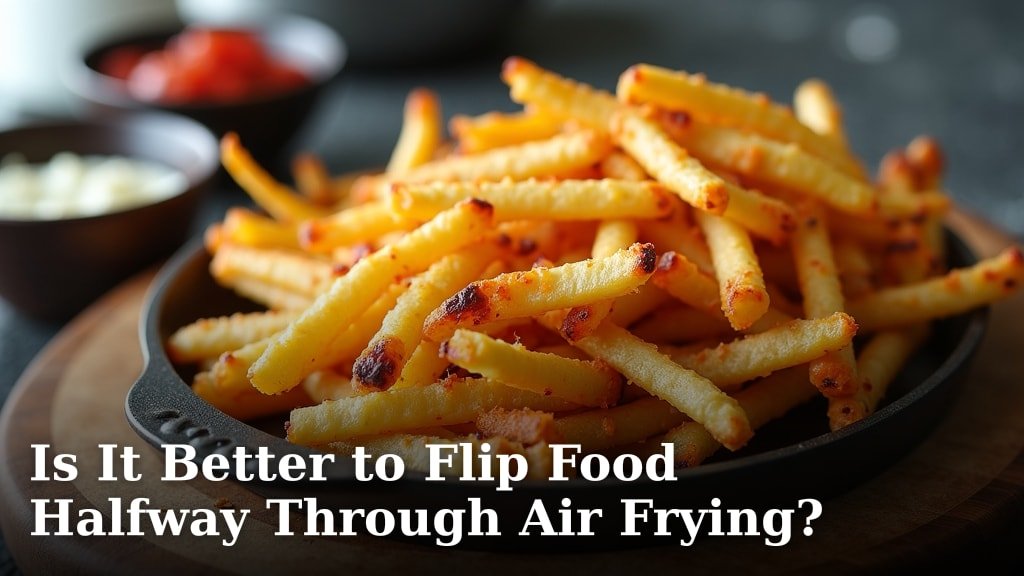
Yes, flipping food halfway through air frying is generally a good idea. It helps ensure your food cooks evenly on all sides and develops a consistent crispiness. This simple step can make a big difference in your air fryer results. You can also learn how to air fry without oil for a healthier alternative.
Many home cooks wonder about this. Getting that perfect golden-brown crunch can feel like a challenge. We found that a mid-cook flip is often the secret weapon for crispier fries and juicier chicken. It prevents one side from getting too dark before the other is done.
- Flip food halfway for best results.
- Ensures even cooking and crispiness.
- Prevents one side from overcooking.
- Simple step for better air-fried meals.
Ready to achieve air fryer perfection? Let’s walk through why this technique works so well and how to do it for your favorite foods.
Why Flipping Food Mid-Air Fryer Cook Time Matters
You might be wondering if you really need to flip your food halfway through when air frying. We found that for most foods, the answer is a resounding yes. This simple step helps create that perfectly crispy, evenly cooked result we all crave.
Think of your air fryer like a tiny convection oven. Hot air circulates all around the food. But, the heating element is usually at the top. This means the top of your food gets more direct heat. Without a flip, the bottom might stay pale while the top gets a little too browned.
Understanding Air Fryer Heat Distribution
Air fryers work by rapidly circulating hot air. This process is much faster than baking. It’s what gives food that desirable crispiness. However, the airflow isn’t always perfectly uniform. The basket design and the position of the heating element play a big role. If your food isn’t getting crispy, our guide explains why food isn’t crispy and how to fix it.
Many air fryer models have a basket. Food sits in this basket in a single layer. The fan at the top blows hot air down. This air then bounces off the food and the basket walls. It creates a whirlwind of heat.
The Top-Down Heat Effect
Because the heat source is typically at the top, the food closest to it cooks faster. This is especially true for items that are piled high or don’t allow air to circulate freely underneath. You’ll often see the top surface get nicely browned and crisp.
Meanwhile, the underside of your food might remain softer. It might not achieve the same level of crispiness. This is where the halfway flip comes into play. It gives the underside a chance to catch up. It ensures your food gets evenly cooked from all sides.
Achieving Even Cooking and Golden-Brown Crisps
The goal of air frying is often achieving a beautiful golden-brown exterior. This is a sign of deliciousness and good texture. Uneven cooking means some parts might be perfectly crisp, while others are still a bit limp or even undercooked.
Flipping your food partway through the cooking cycle ensures both sides get exposed to the intense, direct heat from the top. This equal exposure is key to consistent crispiness. It’s like giving your food a quick tanning session on both sides.
What Happens Without a Flip?
If you skip the flip, you might end up with one side that’s perfectly done and another that’s barely cooked. For example, french fries might be crispy on top but soft on the bottom. Chicken wings could have one nicely browned side and a pale, less appealing one. This isn’t the worst thing, but it’s certainly not the best we can do.
We found that foods that are denser or have a lot of surface area benefit the most. Think of chicken thighs, potato wedges, or even breaded items. Giving them a flip ensures the entire surface can crisp up nicely.
When Flipping Might Be Less Critical (But Still Good!)
While flipping is generally recommended, there are a few scenarios where it’s less of a make-or-break step. However, it’s still often beneficial for optimal results. We found that even in these cases, a quick flip can polish the final outcome.
Foods That Self-Flip (Sort Of!)
Some foods naturally allow for better air circulation around them. Small, individual items that are spread in a single layer can sometimes cook quite evenly without a flip. Think of things like popcorn or small batches of nuts.
However, even with these, if you pack the basket too full, you’ll still have uneven cooking. A gentle shake of the basket can often achieve a similar effect to flipping for these smaller items. This helps rearrange them for better heat exposure.
When Using the Right Accessories
Certain air fryer accessories can help with even cooking. For instance, some air fryer racks or shelves allow you to cook food in multiple layers. This can be tricky for even cooking, as the top layer gets more direct heat.
In these cases, rotating the pans or racks halfway through is essential. It’s the multi-level equivalent of flipping. Some graters or crisper trays are designed to allow better airflow underneath. These might reduce the need for flipping, but a check and potential flip is still wise.
How to Flip Food Effectively in Your Air Fryer
So, you’ve decided to flip. Great choice! It’s a simple process. We found that knowing the right time and method makes it even easier. You’ll want to use a tool that won’t scratch your air fryer basket.
Timing Your Mid-Cook Flip
The ideal time to flip is usually about halfway through the recipe’s suggested cooking time. If a recipe calls for 20 minutes, aim to flip around the 10-minute mark. This ensures both sides get adequate cooking time.
Pay attention to visual cues. If one side looks significantly more cooked than the other, it’s time to flip. Don’t be afraid to open the air fryer to check. It won’t lose much heat, especially for shorter cooking times.
Tools for a Safe and Easy Flip
Safety first! The basket and the food will be hot. Always use oven mitts or a heat-resistant glove when removing the air fryer basket. Many air fryer baskets have handles that stay cooler, but the basket itself will be hot.
Once the basket is out, you can use:
- Tongs: A good pair of long, heat-resistant tongs is ideal for flipping individual pieces like chicken tenders, fish fillets, or vegetables.
- Spatula: A thin, flexible spatula can help lift and flip larger items or a pile of smaller ones. Choose one made of silicone or heat-resistant plastic to protect your basket.
- Fork (Use with Caution): A fork can be used for smaller items, but be gentle. You don’t want to pierce or tear your food, and avoid scratching the basket’s coating.
For fries or smaller items, sometimes simply removing the basket and giving it a good shake can redistribute them effectively. This is often faster than flipping each individual fry.
Foods That Benefit Most from a Mid-Cook Flip
Certain types of food really shine when they get that halfway flip. We found that proteins and heartier vegetables see the biggest improvement. These items often have thicker parts that need even heat distribution.
Proteins: Chicken, Fish, and More
Chicken pieces like breasts, thighs, or wings benefit greatly. A flip ensures all sides get crispy skin and are cooked through without drying out the exterior. Fish fillets, especially those with skin on, will crisp up beautifully on both sides.
Pork chops, sausages, and even burgers can also achieve a more uniform sear and internal temperature. This helps prevent one side from being overcooked while the other is just right. It’s all about that perfect internal temperature and exterior texture.
Vegetables and Starches
Think about thick-cut vegetables like broccoli florets, cauliflower steaks, or potato wedges. These benefit from a flip to ensure they get tender on the inside and crispy on the outside all around. Even Brussels sprouts will roast more evenly.
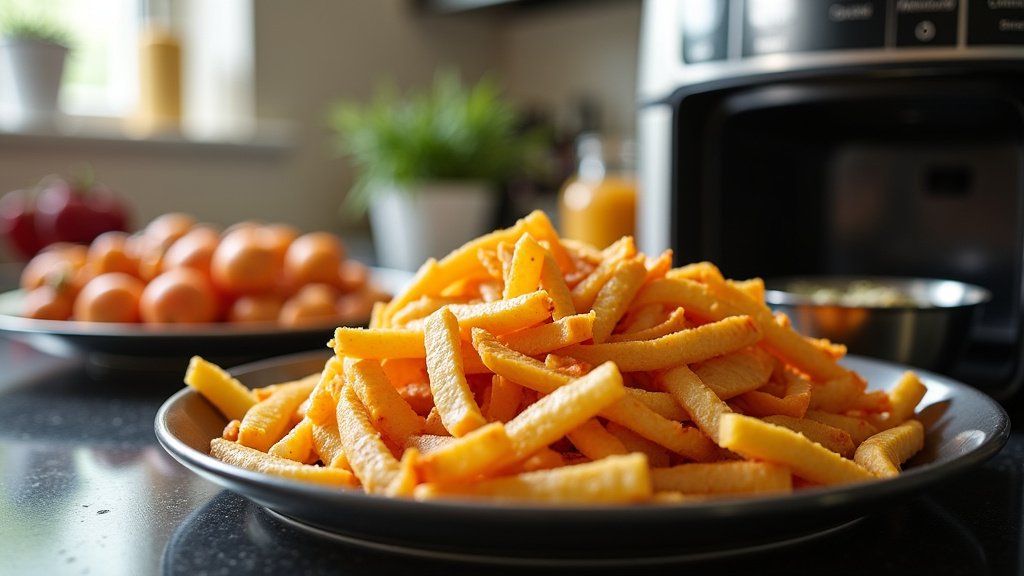
French fries, sweet potato fries, and hash browns are prime candidates for flipping. A shake or flip halfway through prevents them from clumping and ensures each fry gets that desirable crispiness. We found that this step is essential for superior fries.
When NOT to Flip (Or Shake) Your Air Fryer Food
While we’ve sung the praises of flipping, there are a few exceptions. Sometimes, the nature of the food or the cooking method makes flipping unnecessary or even detrimental. Knowing when to skip this step is just as important.
Delicate Foods That Might Break Apart
Very delicate items, like certain types of pastries or thinly battered fish, might not hold up well to flipping or vigorous shaking. They could break apart, leading to a messier presentation and less appealing texture.
For these, you might rely more on arranging them in a single layer and ensuring good airflow. Some recipes for these items might be specifically designed to cook evenly without a flip. Always check your recipe instructions first.
Pre-Packaged or Single-Layer Items
Some pre-packaged frozen foods are designed for air frying and may have instructions that don’t include flipping. They might be engineered to cook evenly as they are. For example, some types of frozen appetizers might cook fine without intervention.
Similarly, if you’re cooking something like a single layer of bacon or a thin piece of salmon where even cooking is less of a concern for texture, a flip might not be essential. However, a quick check for doneness is always a good idea.
The Case of the Unflippable Cake or Muffin
If you’re using your air fryer for baking, like muffins, cakes, or small loaves, flipping is obviously not an option. Baking requires gentle, consistent heat from the top and sides. Flipping these items would ruin their structure and appearance.
For baked goods, focus on ensuring your air fryer is preheated correctly. Use the recommended temperature and time. Proper placement in the basket is also key. You might need to rotate the basket itself halfway through for baked goods to ensure even baking.
Quick Checklist for Air Frying Success
Want to ensure your air-fried food turns out perfectly every time? Keep this simple checklist in mind. We found these steps make a big difference.
- Arrange food in a single layer. Don’t overcrowd the basket.
- Preheat your air fryer. This helps with initial crisping.
- Flip or shake food halfway through. For even cooking and browning.
- Check for doneness. Use a thermometer for proteins.
- Adjust time and temp as needed. Every air fryer is a bit different.
- Let food rest briefly. This allows juices to redistribute.
Conclusion
You’ve learned why flipping your food halfway through air frying is a simple yet effective trick. It helps your favorite meals achieve that perfect, even crispiness every time. We found that this small step prevents uneven cooking and ensures both sides get beautifully golden. So, next time you reach for your air fryer, remember to give your food a quick flip. You’ll taste the delicious difference it makes for everything from fries to chicken!
Frequently Asked Questions
Do I really need to flip thinner items like fries?
For fries, a vigorous shake of the basket halfway through is often even better than flipping individual fries. This redistributes them for maximum crispiness on all sides. We found it prevents clumping and ensures even browning.
What if my air fryer has a rotisserie function?
If your air fryer has a rotisserie, it’s designed to constantly turn the food. In this case, you generally do not need to flip. The continuous rotation ensures even cooking all around. Just ensure your food is securely on the spit.
Can I skip flipping if I only cook for one person?
Even when cooking smaller batches, flipping can still be beneficial. The heating element is usually at the top, so one side will still get more direct heat. A flip ensures you get the most even crispiness possible.
How long should I wait before flipping my food?
Generally, you should flip your food about halfway through the total recommended cooking time. If a recipe suggests 20 minutes, aim to flip around the 10-minute mark. Always check your food for visual cues, too.
Will flipping my air fryer food make it less crispy?
No, flipping actually helps make your food more uniformly crispy. It allows the areas that were previously at the bottom to get exposed to the direct heat. This ensures the entire piece of food develops a great texture.
