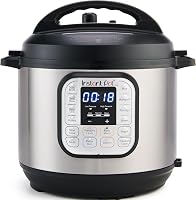
How to Use an Instant Pot Duo
To use an Instant Pot Duo, add liquid and food to the inner pot, lock the lid, select a program, and let it come to pressure before cooking. Turn the steam release to vent when the timer ends, then open the lid away from your face.
On this page (11 sections)
- How do you set up an Instant Pot Duo before your first use?
- What do the main Duo controls do?
- How to use Instant Pot Duo programs without guessing?
- How do you build pressure and start the timer?
- What does the steam release do, and when should you use it?
- How to use duo Instant Pot sauté, steam, and slow cook modes?
- Which Duo model fits your kitchen, and what should you check?
- How do you clean and care for the Duo after cooking?
- What mistakes should you avoid when you learn how to use a Duo?
- How do you choose between Duo, Duo Plus, and Pro models?
- How should you practice with your first three Duo meals?
To use an Instant Pot Duo, add liquid and food to the inner pot, lock the lid, select a program, and let it come to pressure before cooking. Turn the steam release to vent when the timer ends, then open the lid away from your face.
That short sequence covers most meals. The details below explain setup, controls, each program, and steam release so you can use the cooker with more confidence.
How do you set up an Instant Pot Duo before your first use?
Unpack the cooker, wash the inner pot and lid parts, and place the unit on a flat, stable surface. Check the steam release, float valve, and sealing ring before the first test run.
Read the manual for your exact model first. Control labels and program names can differ between sizes and versions, so the manual controls over general advice.
Put the cooker where steam can rise without hitting cabinets or a low shelf. Wash the stainless steel inner pot, lid, steam release cap, and sealing ring, then dry each part fully.
Do a water test to learn the sounds and timing. Add water to the minimum line, lock the lid, close the steam release, and run Pressure Cook for a short time.
Release steam, cool the pot, and dry it before cooking food.
What do the main Duo controls do?
The main controls set the cooking function, time, pressure level, and steam release. The display shows the program, time, and pressure status while the cooker heats and cooks.
Pressure Cook is the main function for most recipes. You set a time, choose Low or High pressure when your model offers it, and wait for the cooker to reach pressure.
Sauté heats the bottom without the lid locked for pressure. Use it to brown meat or soften onions before pressure cooking.
Slow Cook uses low heat without pressure, so times are longer.
Steam is for vegetables, fish, and dumplings with a rack and liquid in the pot. Rice and Grain settings adjust time and liquid, but a tested recipe matters more than the button name.
Keep Warm holds food at serving temperature after cooking.
How to use Instant Pot Duo programs without guessing?
Pick the program that matches the food, then adjust time and pressure from a tested recipe. Buttons are starting points, not guarantees for every ingredient.
Soup or Broth suits beans, soups, and stocks, but dense foods need longer times. Meat or Stew settings help with larger cuts, yet time still depends on size and tenderness.
Poultry settings suit whole birds and bone-in pieces when a recipe gives a time, so check poultry with a food thermometer. Multigrain or Bean settings are for longer cooking, and soaked beans differ greatly from unsoaked beans.
Dessert or Cake settings, when present, use lower pressure with a pan or rack inside the pot. Do not place a pan directly on the heating element unless the recipe and manual allow it.
How do you build pressure and start the timer?
Close the steam release, lock the lid, and watch the display until the float valve rises. The cooking timer starts after pressure is reached, not when you press the button.
Heating time varies. A small amount of warm broth heats faster than a full pot of cold water and raw beans.
Do not open the cooker during heating to check the food, as opening the lid releases pressure.
If the display shows a burn warning, the cooker may have overheated or food may be stuck to the bottom. Release pressure safely, open the lid, stir, add thin liquid if the recipe allows, and restart.
What does the steam release do, and when should you use it?
The steam release switch vents pressure through the steam release valve. Natural release lets pressure drop on its own, and quick release vents steam right away.
Natural release means you leave the switch closed after the timer ends. Pressure falls slowly, and the float valve drops when pressure is gone.
This can let meat rest in liquid and reduce foaming from starchy foods.
Quick release means you turn the switch to vent and let steam escape. This stops cooking faster, which helps with vegetables, fish, and pasta.
Keep your hands and face away from the steam.
Controlled release is a middle option. Open and close the switch in short bursts for foamy foods such as beans or oats.
Never force the lid open if the float valve is still up.
How to use duo Instant Pot sauté, steam, and slow cook modes?
Sauté browns food at the bottom, Steam cooks with liquid and a rack, and Slow Cook uses low heat without pressure. Match each mode to your recipe.
Add oil or liquid for Sauté and let it heat before adding food. Brown meat in batches so it sears, then scrape up browned bits to deglaze.
For Steam, add liquid and a rack or basket. Place food on the rack, lock the lid, and choose Steam with the time from your recipe.
For Slow Cook, add food and liquid and choose the heat level. Lock the lid, or use a glass lid only if your manual allows it.
Which Duo model fits your kitchen, and what should you check?
Choose the size and functions that match your household, not the longest function list. A 6 qt cooker suits many households, while an 8 qt cooker suits larger families and batch cooking.
The Instant Pot Duo 6 Qt 7-in-1 Electric has 7 cooking functions: pressure cook, slow cook, sauté, steam, make rice, yogurt, or keep warm. It has 13 one-touch options and a stainless steel inner pot with a tri-ply bottom.
The Duo Crisp 8 Qt has 11 functions, including air fry, roast, bake, and dehydrate. It has an 8-quart capacity for up to 8 servings and a 1500 watt rating.
It includes a broil and dehydrator tray, air fryer basket and base, steam rack, air fryer lid, pressure cooker lid, inner pot, protective pad, and storage cover. For compatible add-ons, see Instant Pot Duo accessories.
An extra inner pot can help with meal prep. The Instant Pot Stainless Steel Inner Cooking Pot with Handles is a 6 qt pot with a polished surface and handles, listed for 6Qt Pro 60, Pro Plus, Pro Max, and Duo Evo Plus 60 models, so check compatibility before you buy.
How do you clean and care for the Duo after cooking?
Wash the inner pot, lid, sealing ring, and steam release parts after each use, and dry them fully. Leftover food can stain steel, and trapped moisture can cause odor.
Remove the inner pot and wash it with warm soapy water. The stainless steel pot can go in the dishwasher if your manual allows it.
Wash the lid and sealing ring separately, since garlic, curry, or tomato smells can linger in silicone. Check the float valve and steam release for food particles.
For model-matched replacements, compare Instant Pot Duo replacement parts. Rinse them and make sure they move freely.
Wipe the cooker body with a damp cloth, and do not immerse the electric base in water.
What mistakes should you avoid when you learn how to use a Duo?
Avoid low liquid, a blocked steam release, and forcing the lid before pressure drops. These three issues cause most first-time problems.
Do not fill the pot past the maximum line. Foods that expand, such as beans and grains, need extra space because foam can block the steam release.
Do not skip thin liquid for thick sauces, as tomato sauce and starchy foods can stick and trigger a burn warning.
Do not use the cooker to deep fry with a lot of oil under pressure. Sauté is for browning with the lid off.
Do not open the lid toward your face, as steam can burn skin, so tilt the lid away and let steam escape first.
How do you choose between Duo, Duo Plus, and Pro models?
Compare functions, size, and steam release style before you buy. The right model depends on whether you need yogurt, extra programs, or an air fry lid.
Our instant pot duo review covers the standard Duo in detail. It can help you decide if the basic model fits before you look at higher tiers.
If you are torn between models, our instant pot pro vs duo comparison breaks down the differences. For a closer step up, our instant pot duo vs duo plus guide explains what the Plus adds.
If you want a separate air fryer, our electric pressure cooker buying guide covers sizes and functions. It pairs with our list of best instant pot electric pressure cooker options.
Still deciding, our guide on Is It Better to Buy an Air Fryer or an Instant Pot? compares the two. For frozen foods, see How To Air Fry Frozen Pot Pies? for a sample of crisping results.
How should you practice with your first three Duo meals?
Start with rice, a simple soup, and steamed vegetables before you try meat or beans. Small wins build skill faster than a hard recipe on day one.
Rice teaches liquid ratios, heating time, and natural release. Soup teaches sauté, deglazing, and broth.
Steamed vegetables teach quick release and timing.
Write down the time, pressure level, liquid amount, and release method for each meal. Small notes help you repeat a good result and fix a weak one.
Keep a food thermometer nearby, since the cooker timer alone does not prove doneness.
If a meal fails, check liquid first, then the seal, then the steam release. Most problems trace back to one of those three parts.
Frequently asked questions
How long does an Instant Pot Duo take to come to pressure?
It depends on the amount of liquid, the starting temperature of the food, and the size of the cooker. A full pot of cold liquid takes longer than a small amount of warm liquid.
The timer does not start until the cooker reaches pressure, so waiting is normal.
Can you open the lid while the Duo is still pressurized?
No. Keep the lid closed until the pressure is fully released and the float valve has dropped.
Forcing the lid can release hot steam and liquid.
Use the steam release switch and stand back while steam escapes.
What is the difference between natural release and quick release?
Natural release lets pressure fall on its own after the timer ends. Quick release vents steam right away with the steam switch.
Natural release suits broths and meat, while quick release suits vegetables and pasta that you do not want to overcook.
Do you need liquid in an Instant Pot Duo?
Yes. Pressure cooking needs liquid to create steam and build pressure.
Many recipes use water, broth, or another thin liquid.
Thick sauces and tomato products can scorch if they sit at the bottom without enough thin liquid.