
Do Air Fryers Cause Cancer?
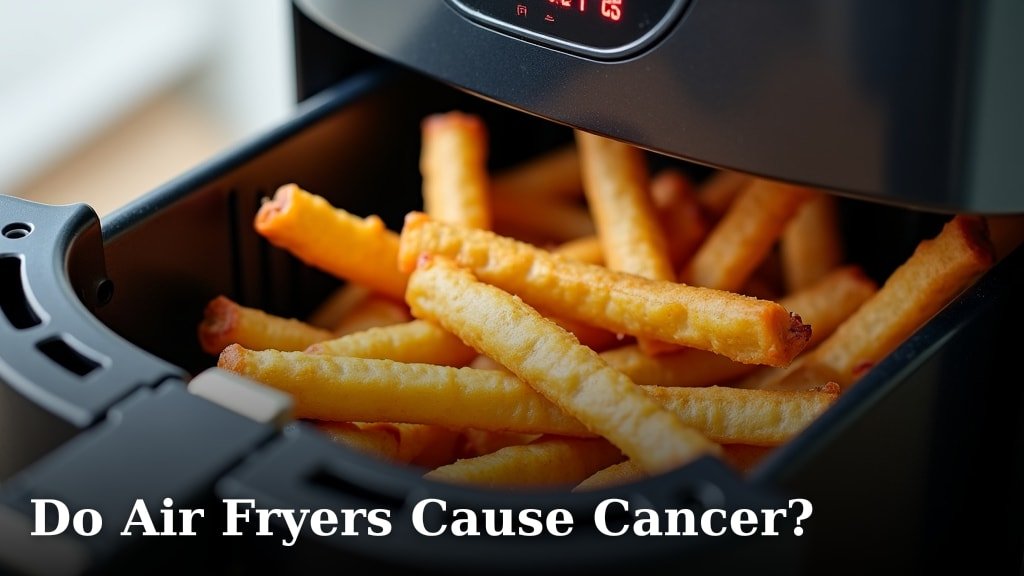
No, air fryers themselves do not cause cancer. When used correctly, air frying is generally considered a safer cooking method than deep frying. Concerns often arise from certain food compounds, not the appliance itself.
You might be worried about harmful chemicals like acrylamide, which can form when starchy foods are cooked at high temperatures. We understand why you’d ask, “Do air fryers cause cancer?” It’s smart to question anything new in your kitchen!
- Air fryers are generally safe.
- Acrylamide is the main concern with high-heat cooking.
- You can reduce acrylamide formation with simple tips.
- Air frying uses less oil than deep frying, which is a plus.
Let’s walk through what the research says and how you can enjoy your crispy treats with peace of mind.
Are Air Fryers a Cancer Risk?
No, air fryers themselves are not a direct cause of cancer. The appliance uses hot air to cook food, which is generally a healthier method than deep-frying. Concerns usually stem from specific compounds that can form in foods during high-temperature cooking, regardless of the cooking method.
Understanding Acrylamide: The Real Concern
When we talk about cancer risk and air frying, the main topic that comes up is acrylamide. What is it, and why does it matter? Acrylamide is a chemical compound that can form in certain foods, especially plant-based ones rich in carbohydrates and a specific amino acid called asparagine, when they are cooked at high temperatures (above 248°F or 120°C).
Think about things like french fries, potato chips, toast, and even some baked goods. That lovely golden-brown crust you enjoy? That’s often where acrylamide can form. It’s part of a natural chemical reaction called the Maillard reaction, which also gives food its appealing color and flavor.
Acrylamide and Health: What the Research Says
Studies have shown that high levels of acrylamide can be a concern. The International Agency for Research on Cancer (IARC) classifies acrylamide as a “probable human carcinogen” (National Cancer Institute). This means that based on animal studies, there’s a good chance it could cause cancer in humans too, though direct evidence in humans is still being studied.
It’s important to remember that this concern isn’t unique to air frying. Any high-heat cooking method, including baking, roasting, grilling, or even toasting, can lead to acrylamide formation. Your air fryer is just one tool in the kitchen that uses these temperatures.
How Air Frying Compares to Other Cooking Methods
You might be wondering if air frying is worse than, say, oven baking or deep frying. The good news is, air frying often comes out looking pretty favorable. It uses significantly less oil than traditional deep frying, which is a major health benefit right there.
When you deep-fry, foods absorb a lot of oil, increasing calorie and fat content. Air frying aims for a similar crispy texture with just a fraction of the oil, sometimes even none at all. Less oil means fewer unhealthy fats entering your diet.
Comparing Acrylamide Levels Across Methods
Research suggests that acrylamide levels can vary widely based on the food and cooking method. In some cases, air-fried foods might have similar or even slightly lower acrylamide levels compared to deep-fried or oven-baked versions, especially if cooking times are managed well. The key is often consistency and control over temperature and time.
Here’s a quick look at how different methods might stack up regarding acrylamide potential (remember, results can vary greatly):
| Cooking Method | Oil Used | Acrylamide Potential | Overall Health Benefit |
|---|---|---|---|
| Deep Frying | High | Moderate to High | Lower (due to high fat) |
| Air Frying | Low to None | Moderate | Higher (less fat) |
| Oven Baking/Roasting | Low to Moderate | Moderate to High | Medium |
| Boiling/Steaming | None | Very Low to None | Highest |
As you can see, air frying offers a nice balance. You get the crispiness without the excessive oil, and the acrylamide risk is manageable with smart cooking.
Practical Tips to Reduce Acrylamide When Air Frying
So, if acrylamide is the main concern, what can you do about it? Plenty! You don’t have to give up your favorite air-fried snacks. Small adjustments can make a big difference in reducing potential acrylamide formation. It’s all about being a smart chef.
Choose Your Foods Wisely
Not all foods are equal when it comes to acrylamide. Focus your prevention efforts on foods that are known to produce it. These are generally starchy foods.
- Potatoes: Especially fresh-cut fries or roasted potatoes.
- Grain Products: Breads, crackers, and some breakfast cereals.
- Certain Vegetables: While less common, some root vegetables.
Meats, fish, and most non-starchy vegetables generally don’t form significant amounts of acrylamide because they don’t have the necessary combination of asparagine and sugars.
Cooking Techniques to Minimize Risk
Here’s your checklist for happy, healthier air frying:
- Don’t Overcook: Aim for a golden yellow, not dark brown or burnt. Burnt spots are acrylamide hot spots!
- Use Lower Temperatures: While air fryers cook quickly, using slightly lower temperatures for longer can reduce acrylamide. Check your food often.
- Soak Potatoes: If making homemade fries, soak raw potato slices in water for 15-30 minutes before air frying. This helps remove some of the sugar that contributes to acrylamide formation (FDA). Pat them very dry afterward!
- Pre-Cook or Blanch: For some foods, especially potatoes, a quick blanching (boiling for a few minutes) before air frying can reduce acrylamide potential.
- Don’t Overload: Air fryers work best when air can circulate. Overloading can lead to uneven cooking and some pieces getting overly browned.
- Shake and Flip: Regularly shaking the basket or flipping food ensures even cooking and prevents one side from getting too dark.
These simple steps help you enjoy the crunch and convenience of your air fryer with greater peace of mind. It’s about being mindful, not fearful.
Are Air Fryers Made with Harmful Materials?
Another common question people have is about the materials used in air fryers. Are they safe? Most air fryer baskets and interiors are coated with a non-stick material, typically PTFE (polytetrafluoroethylene), often known by the brand name Teflon. Other models might use ceramic coatings.
Understanding Non-Stick Coatings
Modern non-stick coatings, like those in air fryers, are generally considered safe for cooking when used as directed. The main concern with older non-stick cookware used to be PFOA (perfluorooctanoic acid), a chemical used in the manufacturing process. However, PFOA has been largely phased out of non-stick cookware production in the US and many other countries (Environmental Protection Agency).
The key is to avoid extreme overheating (above 500°F or 260°C), which can cause the coating to break down and release fumes. Air fryers rarely reach these extreme temperatures, and their sealed design helps contain any potential fumes. Always follow the manufacturer’s temperature guidelines.
If your air fryer’s non-stick coating becomes scratched or damaged, it’s generally recommended to replace the basket or the appliance itself. This prevents small flecks of the coating from mixing into your food.
The Bigger Picture: Diet and Cooking Habits
When we talk about cancer risk and cooking, it’s always helpful to look at the bigger picture. No single food or cooking method is likely to be the sole cause of cancer. Instead, it’s your overall diet and lifestyle that play the largest role.
Air frying, when used to cook vegetables, lean proteins, or to make healthier versions of typically fried foods, can be a great tool for a balanced diet. If you’re swapping deep-fried chicken for air-fried chicken, you’re likely making a healthier choice.
Variety is also key. Don’t rely on just one cooking method or one type of food. Incorporate steaming, boiling, sautéing, and baking into your routine. A diverse diet rich in fruits, vegetables, and whole grains, combined with varied cooking methods, is your best bet for health.
Conclusion
You can breathe easy knowing your air fryer isn’t a cancer culprit. The appliance itself is safe. Your main focus should be on managing acrylamide, a chemical that can form during high-heat cooking of starchy foods. By following simple tips like not over-browning your food, soaking potatoes, and cooking at slightly lower temperatures, you can significantly reduce its formation. Enjoy your crispy air-fried meals as part of a balanced and varied diet. Use your air fryer smart, and you’ll keep enjoying its health benefits.
Frequently Asked Questions
Is air-fried food healthier than oven-baked food?
Air-fried food can be healthier than oven-baked food, especially when comparing similar dishes. Air frying often uses less oil and can achieve a crispier texture more efficiently. Both methods can form acrylamide, so mindful cooking practices apply to both.
Can I air fry vegetables without increasing cancer risk?
Yes, air frying most vegetables is generally safe and often healthier than other methods. Non-starchy vegetables like broccoli or bell peppers don’t typically form significant acrylamide. Just avoid burning them to maintain their nutrients and prevent charring.
What are the ideal temperatures for air frying to minimize risk?
While specific temperatures vary by food, aim for the lowest effective temperature your recipe allows. Cooking at around 325-350°F (160-175°C) can help reduce acrylamide formation in starchy foods, especially when paired with shorter cooking times and frequent shaking.
Should I worry if my air fryer has a non-stick coating?
Modern non-stick coatings in air fryers are considered safe for cooking when used correctly. The key is to avoid extreme overheating, which air fryers rarely reach. If your coating is scratched, it’s best to replace the basket to prevent flecks from entering your food.
Does cleaning my air fryer regularly affect its safety?
Yes, regular cleaning is important for food safety and appliance longevity. Keeping your air fryer clean prevents old food particles from burning and potentially releasing smoke or off-flavors during subsequent uses. A clean air fryer performs best and reduces any general cooking risks.
