Reheating Rice in Your Air Fryer: A Smart Move
Yes, you absolutely can use your air fryer to reheat rice! It’s a method many people are discovering. It often produces a surprisingly pleasant texture. Forget mushy or dried-out rice. Your air fryer can give it a delightful chewiness. We found this method works well for most common rice types.
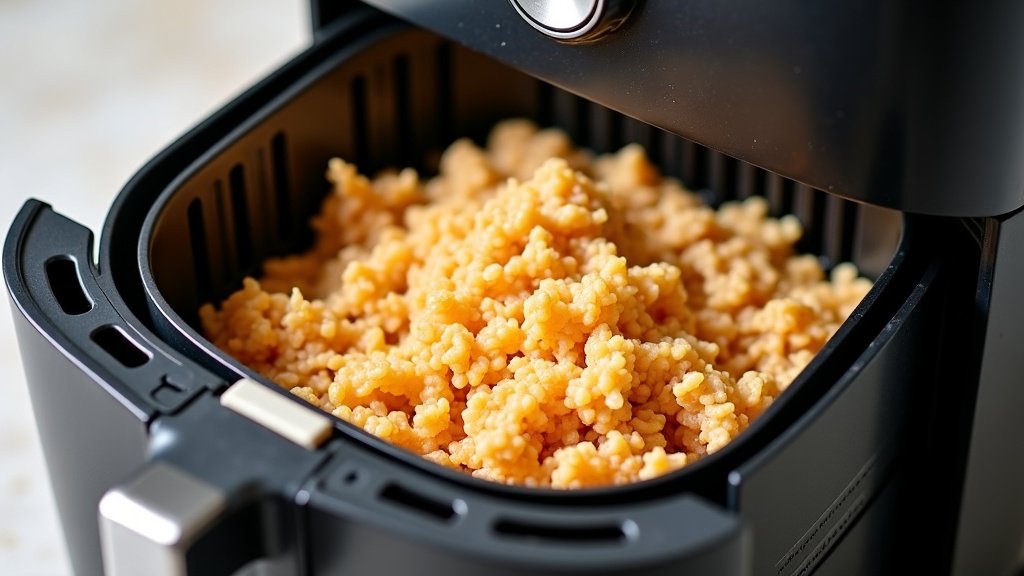
Think of your air fryer as a mini convection oven. It circulates hot air around your food. This helps dry out the surface slightly. It makes each grain of rice a bit firmer. This is key to avoiding that clumpy, wet mess. You just need to be mindful of moisture. Adding a little water helps immensely.
Why Air Fryer Rice Beats Other Methods
You’ve probably reheated rice in the microwave before. Sometimes it’s okay. Other times, it’s a disaster. You get dry, hard bits. Or it’s unevenly heated. The stovetop can work, but it takes more attention. You risk burning the bottom.
The air fryer offers a middle ground. It’s faster than the stovetop. It’s more consistent than the microwave. We found that the circulating air helps each grain reheat. It doesn’t steam it into sogginess. It gently crisps the outside. This gives it a texture closer to freshly made rice.
Getting Started: What You’ll Need
Reheating rice in the air fryer is quite simple. You don’t need much. Here’s a quick rundown of what makes the process successful:
- Your leftover rice (duh!)
- A little bit of water (crucial for moisture)
- An air fryer basket or tray
- A spoon or fork for fluffing
That’s really it! No fancy equipment needed. Just your trusty air fryer and some basic kitchen tools. We recommend using a bowl that can go in the air fryer if you have one.
The Best Way to Reheat Rice in an Air Fryer
The secret to great air-fried rice is adding a touch of moisture. Cold, dry rice can quickly become hockey pucks in the hot air. A teaspoon or two of water per cup of rice is usually enough. This steam keeps the rice from drying out too much.
Let’s break down the steps. We’ll ensure you get perfect results every time. It’s a straightforward process that takes just minutes.
Step 1: Prepare Your Rice
First, take your leftover rice from the fridge. Place it in an air fryer-safe bowl. For uncooked rice, see whether you can cook rice in an air fryer. If you don’t have a bowl, you can place it directly in the basket. Many air fryer baskets have small holes. This allows air to circulate freely.
Now, add a tablespoon or two of water. This step is vital. Sprinkle the water evenly over the rice. Use a fork or your fingers to gently break up any clumps. You want the grains separated. This ensures even heating and prevents a solid block of rice.
Why Adding Water is So Important
Think of it like this: dry rice is thirsty rice. When it hits the hot air, it will try to absorb moisture from anywhere it can. If there’s no moisture added, it will pull it from its own grains. This leads to that hard, dry texture. Adding water provides that much-needed steam. This steam gently heats the rice from within. It also prevents the outside from getting too crispy too fast. We found this makes a world of difference.
Step 2: Set Up Your Air Fryer
Preheating isn’t always necessary for reheating. But it can help. A slightly warm air fryer is good. It helps get things started faster. Set your air fryer to a moderate temperature. We found that around 300-320°F (150-160°C) is ideal. While preheating isn’t always necessary, our guide on can you preheat an air fryer explains when it’s beneficial.
Why this temperature? Too hot, and you risk burning the outside before the inside is warm. Too low, and it takes too long. This can also dry out the rice. The moderate heat allows for gentle reheating. It gives the moisture time to work its magic. Many guides suggest this range for delicate reheating.
Step 3: Air Fry the Rice
Carefully place the bowl or basket of rice into the preheated air fryer. Now, set the timer. Start with about 3-5 minutes. The exact time will depend on your air fryer model. It also depends on how much rice you’re reheating.
After 3 minutes, open the air fryer. Give the rice a good stir with a fork. Fluff it up to separate the grains. This is another key step for even heating. Ensure there are no cold spots. If it’s not heated through, pop it back in for another 2-3 minutes. Keep an eye on it.
Checking for Doneness
You want your rice to be heated all the way through. It should be steaming. The grains should be tender, not hard or crunchy. If you touch it, it should feel warm and moist. If any parts feel dry or tough, it needs a little more time. A quick stir and another minute or two often do the trick.
Step 4: Serve and Enjoy!
Once your rice is perfectly heated, carefully remove it from the air fryer. Give it one last fluff with a fork. It should look appealing and smell wonderful. Now it’s ready to be served with your favorite meal. You’ve successfully reheated rice!
Tips for Perfect Reheated Rice Texture
Achieving that ideal texture is all about balance. You want it warm and tender, but not mushy or dry. Here are a few extra tips we’ve found helpful:
- Don’t overcrowd the basket: If you have a lot of rice, reheat it in batches. Air needs to circulate around the grains.
- Use slightly older rice: Day-old rice is often drier. It can handle the air fryer heat better than super fresh, moist rice.
- Experiment with water amounts: Start with a tablespoon. You can always add a tiny bit more if needed. Some types of rice might need slightly more.
- Consider a liner: If you’re worried about rice sticking or falling through, a parchment liner designed for air fryers can help. Just ensure it doesn’t block airflow too much.
Troubleshooting Common Air Fryer Rice Issues
Even with the best intentions, things can go a little awry. Here are some common problems and how to fix them:
Problem: Rice is too dry and hard.
Solution: You likely didn’t add enough water. Or, you cooked it for too long at too high a temperature. For next time, increase the water slightly. Try lowering the temperature by 10-20°F (5-10°C). For rice that’s already too dry, you can try adding a splash of water and microwaving it briefly to reintroduce moisture.
Problem: Rice is mushy or clumpy.
Solution: This usually means too much water was added. Or, the air fryer wasn’t hot enough, causing it to steam rather than reheat. Ensure you’re using only 1-2 tablespoons of water per cup of rice. Make sure your air fryer is preheated to the correct temperature. Give it a good stir midway through.
Problem: Rice is unevenly heated.
Solution: This often happens when the rice isn’t fluffed or stirred properly. Make sure to break up clumps before cooking. Stirring it halfway through is crucial. If you’re reheating a large amount, consider doing it in two batches. We found stirring is the most effective fix here.
A simple checklist can make the process even smoother. Keep these quick tips in mind:
- Measure your rice.
- Add 1-2 tbsp water per cup.
- Fluff and break up clumps.
- Set air fryer to 300-320°F.
- Cook for 3-5 minutes, stir, and check.
- Add more time if needed, stirring again.
What About Fried Rice?
Can you reheat leftover fried rice in the air fryer? Yes, you can! The same principles apply. You want to maintain moisture. However, fried rice already has oil. This can help prevent it from drying out too much.
Start with a similar temperature (around 300°F). Use a shorter cooking time, maybe 2-3 minutes initially. Stir it gently. The goal is just to warm it through. You don’t want to cook the egg or vegetables further. We found it can get a bit crispy, which is often a good thing for fried rice.
Types of Rice and How They Reheat
Most standard rice types reheat well. This includes white rice (like Jasmine or Basmati) and brown rice. You might notice slight differences.
| Rice Type | Reheating Considerations |
|---|---|
| White Rice | Reheats quickly and becomes tender. Can dry out easily if not enough moisture is added. |
| Brown Rice | Takes a bit longer due to its higher fiber content. May need an extra minute or two. Tend to be more forgiving with moisture. |
| Sushi Rice | Can be a bit sticky. Might clump more. Ensure thorough fluffing and water addition. |
| Wild Rice | Chewier by nature. Reheats well, maintaining its texture. |
Regardless of the type, the key is that gentle heat and added moisture. This ensures each grain is warmed without becoming hard or gummy. We found consistency across most types with the right method.