
Can You Stack Food in an Air Fryer?
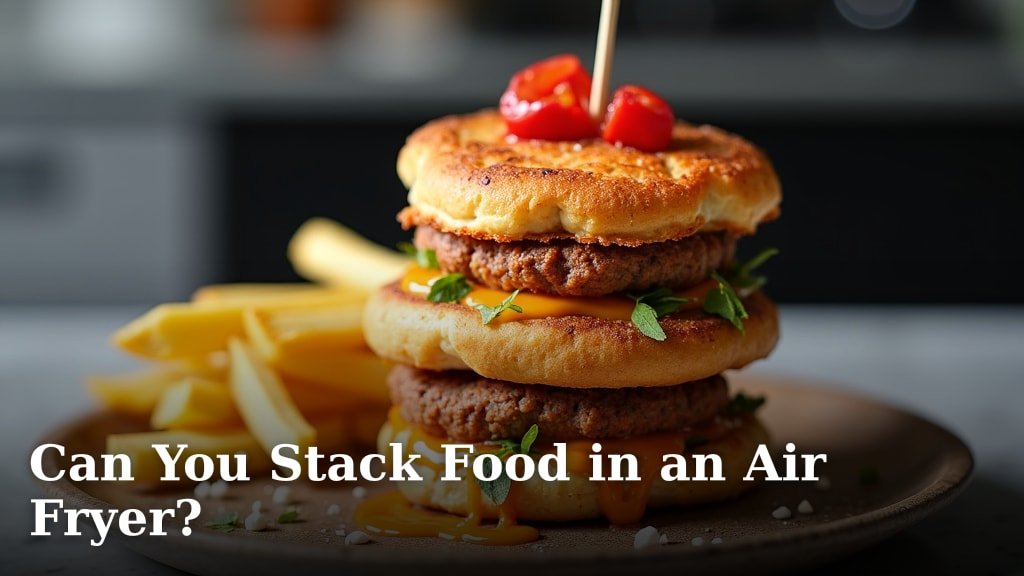
No, you generally should not stack food in your air fryer. While it might seem like a clever way to cook more at once, it actually hinders airflow. This is the key to how air fryers crisp up your food, so blocking it can lead to unevenly cooked, soggy results. Keep your food in a single layer for the best crispy texture.
Many of us have tried to maximize our air fryer’s capacity. You might be tempted to pile items up, especially when cooking for a crowd. However, research and testing consistently show that this practice impacts cooking performance. For optimal crispiness and even cooking, it’s best to ensure each piece of food has plenty of space and isn’t touching its neighbors.
- You generally should not stack food in an air fryer.
- Stacking food prevents proper airflow, leading to uneven cooking and sogginess.
- For best results, always cook food in a single layer.
- Ensure there is space between items for crispy, evenly cooked food.
Let’s walk through why a single layer is so important and how to get the most out of your air fryer every time.
Maximizing Your Air Fryer: Why Stacking Food Isn’t the Way
You might be tempted to pile food high in your air fryer. It seems like a smart way to cook more at once. However, research and testing show this is generally not recommended. Air fryers work by circulating hot air. When you stack food, you block this essential airflow. This can lead to unevenly cooked, soggy results instead of that perfect crisp.
Think of your air fryer like a tiny, powerful convection oven. For it to work its magic, air needs to move freely around everything. If food is piled up, the air can’t get to all sides. This means some parts might cook while others steam. We want crispy, not steamed, right?
The Science Behind Air Frying: Airflow is Key
So, what makes an air fryer so special? It’s all about rapid air circulation. A fan at the top blows hot air down and around the food. This mimics deep frying but without all the oil. The hot air hits the food from all angles. This is what creates that delicious, crispy texture you love.
When you place food in a single layer, there’s space for the air to circulate. It can get underneath, on top, and all around each piece. This ensures even cooking and crispiness. It’s like giving each item its own little spa treatment with hot air.
How Airflow Impacts Your Food’s Texture
Imagine trying to dry your hair with a fan blocked by a pillow. It wouldn’t work very well, would it? Your hair would stay damp. The same principle applies to your air fryer. When food is stacked, the hot air can’t reach all surfaces. This prevents browning and crisping.
Instead of getting a golden-brown crust, you might end up with pale, limp food. This is because the trapped moisture can’t escape. The air needs to flow to carry that moisture away. Without proper airflow, food tends to steam rather than crisp.
The Difference: Single Layer vs. Stacked
Let’s picture it. In a single layer, each chicken nugget or French fry gets direct exposure to the hot air. They can brown and crisp up beautifully. Now, imagine those same items piled two or three layers deep. The bottom items are shielded. They’ll likely be undercooked and soft. The top items might get a bit crispy, but the ones in the middle? They’re in for a steamy, uneven fate.
Understanding Your Air Fryer’s Basket Design
Air fryer baskets are designed with holes or a perforated bottom for a reason. These allow air to flow through and out the bottom. This creates a vortex of hot air. If you fill the basket too high or pack it tightly, you’re essentially plugging these holes.
Many manufacturers recommend not filling the basket more than two-thirds full. This gives the air room to do its job. It’s a simple guideline that makes a big difference in your cooking results. Think of it as giving your food some breathing room.
Consequences of Stacking Food in Your Air Fryer
So, what happens when you ignore the airflow rule and stack your food? You’re likely to encounter a few common problems. These issues can turn a potentially great meal into a disappointment. The main culprits are uneven cooking and sogginess, but there are other drawbacks too.
Uneven Cooking: The Most Common Problem
This is the big one. When food is stacked, some pieces get direct heat while others are hidden. This leads to a mix of textures and doneness. You might have perfectly cooked fries on top and raw ones on the bottom. Or, chicken pieces on the outside are browned, but the inner ones are still pale.
Experts often point out that maintaining a consistent temperature around all food items is key for even cooking (Cleveland Clinic). Stacking actively works against this principle. It creates hot spots and cold spots within the basket.
Soggy Food: The Opposite of Crispy
Air fryers are famous for making things crispy. Stacking food directly fights this purpose. The trapped moisture has nowhere to go. Instead of crisping up, your food will steam in its own juices. This results in a disappointing, soft texture.
For example, if you’re air frying wings, stacking them means the sauce might pool. This prevents the skin from getting that desirable crunch. It’s like trying to get things dry by putting them in a steamy bathroom. It just doesn’t work.
Longer Cooking Times
Because the hot air can’t circulate efficiently, your food will take longer to cook. You might find yourself extending the cooking time. This can lead to overcooked exterior parts while the interior is still not done. It’s an inefficient way to use your appliance.
When food is in a single layer, the cooking time is usually quite accurate. You’re getting the benefit of that concentrated hot air. Piling food up makes the whole process drag on. It defeats the purpose of quick air frying.
Tips for Perfect Air Frying Without Stacking
Now that you know why stacking is a no-go, let’s talk about how to get the best results. It’s all about arranging your food properly and managing your batches. You can still cook enough for your family; it just takes a little planning.
The Golden Rule: The Single Layer
Always aim for a single layer of food in the air fryer basket. Make sure the pieces aren’t touching each other. This allows air to circulate freely around every single item. Think of it as arranging items on a baking sheet – you wouldn’t usually pile them up there either.
Give your food some personal space! This ensures that each piece gets direct contact with the hot, circulating air. This is the most important step for achieving that coveted crispy texture. It might mean cooking in multiple batches, but the results are worth it.
Don’t Overcrowd the Basket
Even if your food fits in a single layer, don’t cram it in. Leave a little space between each item. This gap is vital for allowing air to flow through. If the items are too close, the air can’t reach all the surfaces effectively.
Imagine a crowded concert versus an open field. In the field, everyone has room to move. In a packed concert, movement is restricted. Your food needs that “room to move” for the best cooking. Many sources suggest leaving about a quarter-inch gap between items.
Cook in Batches When Necessary
If you’re cooking for a larger group, you’ll likely need to cook in multiple batches. It might take a little longer overall, but each batch will come out perfectly cooked. This is far better than compromising on the quality of your food.
Consider this: would you rather have one large, disappointing meal or two smaller, perfectly crispy, delicious meals? Most people would choose the latter. Think of it as quality over quantity.
Shake or Flip Your Food Mid-Cook
For items like fries, vegetables, or even chicken tenders, shaking the basket halfway through is a great idea. For larger items like chicken breasts or fish fillets, you’ll want to flip them over. This ensures even browning and crisping on all sides.
This step is especially important if your air fryer doesn’t have a super powerful fan. It helps to redistribute the heat and ensure that all parts of the food get exposed to the hot air. It’s a simple action that greatly improves your results.
Use Accessories Wisely
Some air fryers come with racks or multiple basket layers. These can be helpful for cooking certain items, but you still need to be mindful of airflow. If you use a rack, make sure air can still circulate underneath the food placed on it.
Avoid blocking the air vents on these accessories. If an accessory causes food to be too close together or restricts airflow significantly, it might be better to stick to single-layer cooking. Always check your air fryer’s manual for specific recommendations on accessories.
Choosing the Right Foods for Air Frying
Not all foods are created equal when it comes to air frying. Foods that are meant to be crispy and dry tend to do best. Think about French fries, onion rings, chicken wings, and breaded items. Foods that have a lot of moisture or are very delicate might not fare as well.
For instance, leafy greens can become overly dry and brittle. Wet batters might not set properly without being stacked. Understanding the nature of the food you’re cooking will help you adjust your approach. It’s about working with your air fryer, not against it.
Foods That Air Fry Best in a Single Layer:
- French fries
- Chicken tenders and nuggets
- Vegetables like broccoli florets or sliced peppers
- Shrimp
- Spring rolls or egg rolls
- Snack items like mozzarella sticks
When a Little Overlap Might Be Okay (But Still Not Ideal)
In some very specific situations, a tiny bit of overlap might not completely ruin your food. This usually applies to very small, uniform items like small pieces of a vegetable or tiny croutons. However, it’s still not the ideal scenario.
Even slight contact can prevent even crisping. We found that for the best possible texture, zero contact between food items is the goal. It’s better to be safe than sorry when aiming for that perfect crunch. If you can avoid it, always do.
Here’s a quick checklist to keep in mind for your next air frying adventure:
- Always arrange food in a single layer.
- Ensure there’s space between each piece.
- Do not overfill the air fryer basket.
- Cook in batches if needed.
- Shake or flip food halfway through.
- Use accessories that allow for good airflow.
Conclusion
So, can you stack food in your air fryer? The short answer is no, you really shouldn’t if you want crispy, delicious results. We’ve learned that proper airflow is the secret sauce to air frying. Blocking that airflow by stacking food leads to uneven cooking and soggy disappointment.
Always aim for a single layer with space between items. If you’re cooking for a crowd, simply plan to cook in batches. Your air fryer is fantastic at making food taste amazing, and following this simple rule ensures you get the best possible texture every time. Go forth and air fry perfectly!
Frequently Asked Questions
What happens if I stack food in my air fryer just a little?
Even a little stacking can hinder airflow, leading to some parts of your food being less crispy than others. While it might not be a total disaster for very small items, it’s best to avoid overlap for optimal texture.
Can I use a second rack or tier in my air fryer if I want to cook more?
Some air fryers come with racks, but you must ensure air can still circulate freely around the food on each tier. If the rack causes overcrowding or blocks vents, it can still lead to poor results, so use them wisely.
How do I cook enough food for my family if I can’t stack?
The best approach is to cook in batches. It might take a bit longer overall, but each batch will come out perfectly crispy. Think of it as ensuring quality for everyone.
Why is my air-fried food still soggy even when I don’t stack it?
Sogginess can occur if you overcrowd the basket even in a single layer, preventing air circulation. Also, ensure you’re shaking or flipping your food halfway through to expose all sides to the hot air.
Can I put parchment paper or foil in my air fryer if I stack food on top?
Using parchment paper or foil under food is fine, but stacking food directly on top of it, or stacking food with paper in between, will still block airflow. Always prioritize space for air circulation.
