
Can You Put Wet Batter in an Air Fryer?
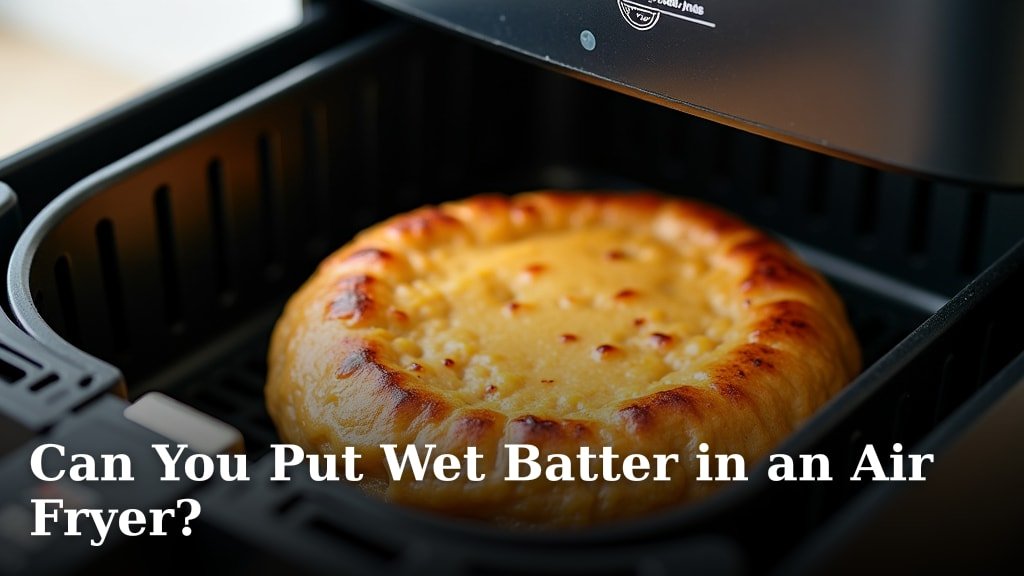
No, you generally cannot put wet batter in an air fryer directly. Wet batters, like those used for pancakes or tempura, are too thin and will simply drip through the air fryer basket, creating a big mess and not cooking properly. For crispy results, you need a different approach.
Think of your air fryer as a small convection oven. It circulates hot air to crisp up food, but it needs a surface to cook on. Very wet mixtures just don’t have the structure to handle the air circulation without making a huge puddle. We’ve found that thicker coatings or pre-cooked items work best.
- Wet batter drips through the basket.
- You’ll get a big mess, not crispy food.
- Air fryers need a more solid base to cook.
- Think thicker coatings or par-cooked items.
- Dry breading or frozen battered foods are better.
So, what can you do if you want that fried taste without all the oil? Let’s walk through how to get delicious results in your air fryer, even with recipes that usually call for wet batters.
Why Wet Batters and Air Fryers Don’t Mix
You’re probably wondering why your go-to pancake batter or fish-and-chip coating won’t work in an air fryer. The simple answer lies in how these appliances cook. Air fryers use super-hot, circulating air to create that crispy exterior we all love. But this method needs a certain type of food structure to succeed.
Imagine trying to bake a liquid in a mesh basket. It just won’t work, right? That’s essentially what happens with thin, wet batters. They lack the structural integrity to hold their shape against the strong airflow. Instead of cooking, the batter simply drips through the holes of your air fryer basket.
This creates a big mess in the drip tray and leaves you with very little food, if any, that’s actually cooked. Plus, any batter that does stick tends to burn or become unevenly cooked because it’s not properly supported.
The Problem: Dripping and Uneven Cooking
We’ve all been there, excited to try a new cooking method, only to be met with disappointment. With wet batters in an air fryer, the issue is twofold: the drip and the cook. The batter drips through the basket, making cleanup a chore and wasting your ingredients.
What little batter might cling to the food or the basket won’t cook evenly. The intense, direct heat from the air fryer can burn the exposed bits while leaving the rest raw. It’s a recipe for frustration, not a delicious meal. You need a solid surface for cooking, which a thin batter just can’t provide.
Air Fryer vs. Deep Fryer: A Key Difference
It helps to understand that an air fryer isn’t a deep fryer. A deep fryer submerges food in hot oil. This oil cooks the batter from all sides and provides a buoyant medium for the food to float in, allowing the batter to set quickly. Your air fryer doesn’t have that oil bath.
Instead, it uses hot air, like a miniature convection oven. This air needs to circulate around the food. If your food isn’t solid or can’t hold its shape, the air just blows it around or drips it away. It’s a fundamental difference in how they operate, and it impacts what types of batters you can use.
What Kinds of Coatings Work Best in an Air Fryer?
So, if wet batter is out, what’s in? The good news is you can still achieve fantastic crispy results in your air fryer. The trick is to use coatings that are dry, thick, or pre-cooked. These types of coatings can withstand the air circulation and cook beautifully.
Think about foods that are already designed for dry heat. Breaded chicken nuggets, frozen fish sticks, or even foods with a thin layer of oil and seasoning. These have enough structure to crisp up nicely without making a mess. We found that success often comes down to choosing the right coating for the job.
Dry Breading and Flour Coatings
This is your air fryer’s best friend. A good dry breading, like panko or traditional breadcrumbs, works wonderfully. The breading sticks to the food and creates a barrier that can get incredibly crispy. You can also use a simple flour dredge.
To make it stick, you usually need a three-step process: flour, egg wash, then breadcrumbs. The egg wash acts as the glue. This method ensures a substantial coating that won’t fall off or drip. It creates that satisfying crunch you’re looking for without the oil of deep frying.
Pre-Cooked and Frozen Options
Many frozen foods that are designed to be “fried” or baked are perfect for the air fryer. Think about things like frozen chicken tenders, mozzarella sticks, or even pre-battered frozen shrimp. These items often have a coating that is already partially cooked or very robust.
Because they’re usually frozen, their coatings are stable and won’t drip. The air fryer simply reheats them and makes them super crispy. It’s a convenient way to get that “fried” texture with minimal effort and cleanup.
Tips for Adapting Wet Batter Recipes for Your Air Fryer
Don’t despair if your favorite recipe calls for a wet batter! There are ways to adapt. It often involves a little creativity and understanding the air fryer’s limitations. The goal is to give your food enough structure and a good surface for the hot air to work its magic.
Our research shows that a common approach is to pre-cook certain elements or to use clever techniques to make a “wet” batter act more like a “dry” one. It’s about thinking outside the box, or in this case, outside the deep fryer.
Using a Stiff Batter or Dough
If you absolutely must use something that resembles a wet batter, consider making it much thicker. A very stiff batter, almost like a dough, might work. Think about a very thick fritter batter or a drop biscuit consistency. This way, the batter has enough body to hold its shape.
You can also try using a mold or parchment paper to contain it. For example, if you’re making corn fritters, a very thick mixture dropped onto parchment paper in the air fryer can cook more successfully than a runny one. The key is minimizing the drip potential.
The Par-Cooking and Coating Method
Sometimes, the best approach is to par-cook your item first. For example, if you want to air fry chicken that’s usually coated in a wet batter, you could:
- Bake or pan-fry the chicken until it’s almost done.
- Then, apply a dry coating (like breadcrumbs) or a very thin layer of oil.
- Finish it in the air fryer for crispiness.
Using Parchment Paper or Silicone Liners
While not a solution for very thin batters, parchment paper or silicone liners can help with slightly thicker, “wetter” coatings or foods prone to sticking. These liners create a solid base in your air fryer basket.
They prevent dripping and make cleanup easier. Just make sure to choose liners that are safe for your air fryer’s temperature. Remember, even with liners, extremely thin batters will still spread out and likely not achieve the desired texture.
Quick Checklist: Air Fryer Batter Success
To ensure your air fryer cooking adventures are successful, keep this quick checklist in mind. It summarizes the key takeaways for managing batters and coatings.
- Avoid very thin, liquidy batters directly in the basket.
- Opt for dry breading (flour, egg, breadcrumbs) for best results.
- Utilize pre-battered or frozen items for convenience.
- If using a “wet” batter, make it very thick and stiff.
- Consider par-cooking items before crisping in the air fryer.
- Use parchment paper or silicone liners for easier cleanup and containment.
Comparing Batter Types for Air Frying
Let’s take a quick look at which types of coatings perform best and worst in your air fryer. This table should give you a clear idea of what to aim for and what to avoid.
| Batter/Coating Type | Air Fryer Suitability | Why it Works (or Doesn’t) |
|---|---|---|
| Thin Pancake/Tempura Batter | Not Recommended | Too liquid, drips through basket, creates a mess, uneven cooking. |
| Thick Fritter Batter | Sometimes Possible | Needs to be very stiff; may require parchment paper or a mold to hold shape. |
| Dry Breading (Flour, Egg, Breadcrumbs) | Excellent | Adheres well, creates a crispy crust, holds shape against airflow. |
| Flour Dredge | Good | Provides a light, crispy coating; needs a good base to stick. |
| Pre-Battered Frozen Foods | Excellent | Coating is stable, designed for dry heat, reheats and crisps perfectly. |
| Spice Rubs & Light Oil | Excellent | Adds flavor and crispiness without any wet batter issues. |
Conclusion
So, while you can’t pour thin wet batter directly into your air fryer, that doesn’t mean crispy, “fried” dishes are off-limits. We’ve learned that success lies in understanding your air fryer’s strengths. Focus on dry breading, pre-cooked frozen items, or very thick batters that can hold their shape against the circulating hot air.
By adapting your recipes and using smart techniques like par-cooking or parchment paper, you can still enjoy that satisfying crunch. Go ahead and experiment with confidence, knowing you have the tools to achieve delicious, mess-free results in your air fryer.
Frequently Asked Questions
Can I air fry battered fish?
You can air fry fish with a dry, breadcrumb-based batter, but not with a traditional wet, liquid batter like beer batter. For best results, use pre-battered frozen fish or apply a dry flour-egg-breadcrumb coating yourself.
How do I make chicken wings crispy in an air fryer without a wet batter?
For crispy air fryer chicken wings, skip the wet batter entirely. Instead, pat them very dry, toss them with a little oil and your favorite spices, and air fry. You can also coat them in a dry flour or baking powder mixture for extra crispiness.
What happens if I try to put runny batter in an air fryer?
If you put runny batter directly into your air fryer basket, it will drip through the holes. This creates a significant mess in your drip tray and results in little to no cooked food, as the batter lacks the structure to cook properly.
Can I use pancake batter in an air fryer?
No, pancake batter is a wet, liquid batter and is not suitable for direct air frying. It will simply run through the basket. For air-fried “pancakes,” you might need a special mold or to significantly thicken the batter to an almost dough-like consistency.
Are there any exceptions for using slightly wet coatings?
Yes, you can sometimes use slightly wet coatings, like a glaze or a thin sauce, but these are best applied towards the end of the cooking process or on already stable foods. Very thick, sticky batters (almost dough-like) can also work if placed on parchment paper or in a mold.
