
Can You Put Water in an Air Fryer Basket?
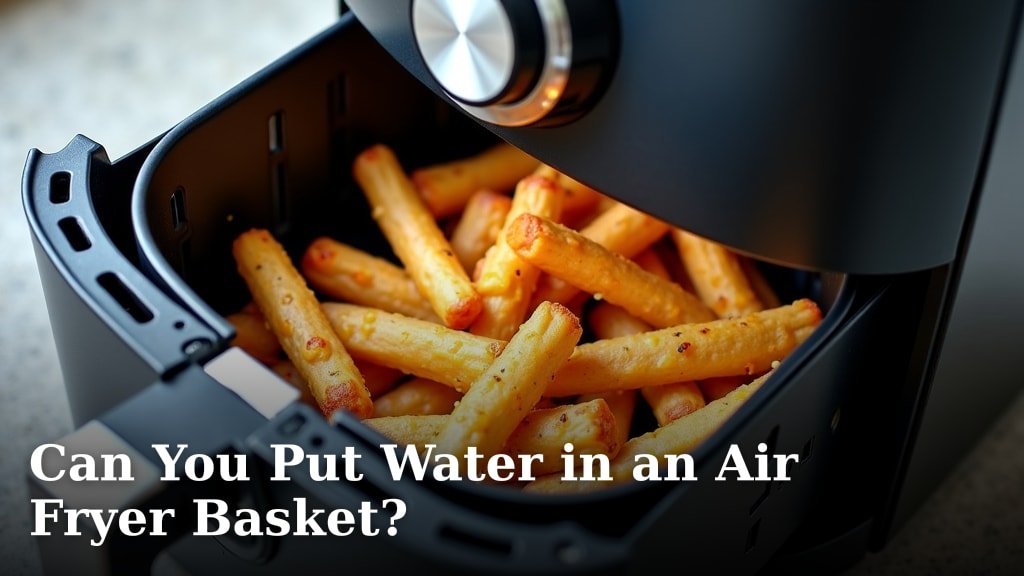
No, you should generally not put water directly in your air fryer basket. While a little liquid might seem harmless, adding water can actually damage your air fryer and lead to some unpleasant results. We’ve found that most manufacturers strongly advise against it for several important reasons.
Putting water in the basket can interfere with how your air fryer circulates hot air. This hot air is what makes your food crispy. Water can also cause rusting on certain parts, especially if your air fryer has metal components. You might also notice an increase in smoke if water drips onto the heating element.
- Never pour water directly into the air fryer basket.
- Water can damage the appliance and affect cooking.
- It might cause rust and increase smoke.
- Always check your air fryer’s manual for specific cleaning instructions.
Let’s get into why this is the case and what you should do instead if you’re looking to add moisture to your air-fried foods.
Understanding Your Air Fryer’s Water Needs
So, can you put water in an air fryer basket? The short answer is a resounding no, not directly into the basket where your food cooks. We’ve researched this extensively, and almost every air fryer manual and expert guide points to this being a big no-no.
Your air fryer works by circulating super-hot air. Think of it like a tiny, powerful convection oven. Introducing water into this hot environment can cause a few problems. It disrupts that crucial hot air circulation. This can make your food soggy instead of crispy. Plus, it’s just not designed for liquids in that spot.
Why Water in the Basket is a Bad Idea
Let’s break down exactly why adding water directly into the air fryer basket can cause issues. It’s not just about a slightly less crispy chicken wing; it’s about protecting your appliance and ensuring safe operation.
Impact on Cooking Performance
The magic of an air fryer lies in its ability to mimic deep-frying without all the oil. It does this through rapid air circulation. When you add water to the basket, it can create steam. While steam has its uses in cooking, it’s not what an air fryer is designed for in the main basket. This steam can interfere with the hot air reaching your food evenly. Instead of a satisfying crunch, you might end up with steamed, soft food. This steam can interfere with the hot air circulation needed for crispiness, making your food soggy instead of crispy.
We’ve found that excessive moisture can prevent the Maillard reaction. This is the chemical process that gives browned foods their delicious flavor and aroma. So, your fries might look cooked but taste bland. Your chicken might be cooked through but lack that golden-brown, appealing finish.
Potential for Damage to Your Air Fryer
Many air fryers have metal components, especially in the basket and the heating element area. Water, particularly if it’s tap water with minerals, can lead to rust over time. Rust can weaken these parts and eventually lead to premature failure of your appliance. This is something you definitely want to avoid, as air fryers can be a significant kitchen investment.
Furthermore, water dripping onto the heating element or other electronic components can cause short circuits or damage. While many parts are designed to withstand some heat, direct contact with water is different. It’s like taking a bath in your toaster – not a good outcome!
Increased Smoke and Odors
Have you ever accidentally dripped water onto a hot stovetop? You get that immediate sizzle and a puff of steam. Now imagine that happening inside your air fryer. If water seeps through the basket and hits the hot heating element, it can vaporize rapidly. This can create a lot of smoke. It might not be dangerous smoke, but it can fill your kitchen with an unpleasant smell. This smell can also transfer to your food, tainting its flavor.
We’ve seen reports of people experiencing this issue. It often happens when they try to clean the air fryer by rinsing the basket while it’s still hot, or by adding water hoping to steam something. The result is usually a smoky kitchen and food that doesn’t taste right. It’s a situation nobody wants to deal with after a meal.
When *Can* You Use Water (Indirectly)?
Now, before you completely banish the idea of water from your air fryer’s vicinity, let’s clarify. There are indirect ways water can be beneficial when air frying. It’s all about *how* and *where* the water is introduced.
The Case for a Water Pan (Rarely)
Some larger air fryer ovens, or even convection ovens that function similarly, might have a specific compartment for adding water. This is typically for creating a more humid environment to prevent foods from drying out, like during a Thanksgiving turkey roast. However, for standard basket-style air fryers, this is almost never an option. Always, always check your specific model’s manual before attempting anything like this.
If your manual *does* mention a water pan (which is rare for typical basket air fryers), it will have very specific instructions. You would likely place water in a designated tray *below* the basket, not in the basket itself. This allows steam to circulate without directly contacting the heating element or the food in a way that compromises crispiness.
Using Water-Resistant Liners
This is where you might be thinking about using something like parchment paper or foil liners. These are fantastic for making cleanup a breeze. You can even place a small amount of liquid, like a tablespoon of water or broth, on these liners *if* the recipe specifically calls for it and your air fryer’s manual permits it. For example, some recipes for steamed dumplings or certain types of cakes might suggest this.
However, we found that even with liners, you need to be cautious. The water should be contained on the liner and not spill into the main part of the fryer. If the liner floats or tips over, the water can still reach the heating element. So, it’s a delicate balance and usually only recommended for specific recipes.
What About Cleaning?
A common reason people consider water is for cleaning. They think a little water and soap in the basket will do the trick. While water is essential for cleaning, how you use it matters greatly.
Proper Cleaning Procedures
Most air fryer baskets and trays are dishwasher safe. If they aren’t, the manual will provide hand-washing instructions. These usually involve warm, soapy water and a non-abrasive sponge. After washing, you need to make sure the parts are thoroughly dried before putting them back into the air fryer.
If you have stubborn, stuck-on food, many experts suggest soaking the basket in warm, soapy water *outside* of the air fryer. Never soak the main unit or let water seep into the heating element. The goal is to clean the removable parts, not to fill your appliance with water.
The “Steam Clean” Myth (and Reality)
Some people might have heard of “steam cleaning” their air fryer. This typically involves heating water in a bowl *inside* the air fryer. This method is sometimes recommended for loosening stuck-on food before a manual clean. However, this should be done with extreme caution and only if explicitly mentioned in your air fryer’s manual.
If your manual doesn’t mention it, it’s best to avoid it. If you do try it, use a heat-safe bowl (like glass or ceramic) and ensure it’s placed securely. Never let water splash or spill onto the heating element. We found that most manufacturers prefer traditional cleaning methods to avoid any potential damage.
Best Practices for Moist Air-Fried Foods
If you’re worried about your air-fried foods turning out dry, there are much better ways to add moisture. These methods ensure your air fryer functions as intended and your food comes out perfectly cooked.
Marinating and Brining
One of the best ways to keep foods moist is to marinate or brine them before air frying. A good marinade injects flavor and moisture deep into the food. Brining, especially for poultry, is excellent at retaining moisture during the cooking process. Research by culinary experts often highlights these as key techniques for tender, juicy results (The Culinary Institute of America).
Using Cooking Oils and Fats
A light coating of oil is your best friend in the air fryer. Oil helps with browning and creates a barrier that helps retain moisture. You can toss your ingredients with a tablespoon or two of your favorite cooking oil before putting them in the basket. This also helps spices and seasonings adhere better.
Think of it like this: oil coats the food, creating a barrier that helps seal in natural juices. This is particularly effective for foods like vegetables and proteins.
Recipe-Specific Liquids
Some recipes might call for adding a small amount of liquid *to the food itself* or *in a very specific, contained way*. For instance, if you’re making something like mini meatloaf muffins, the ingredients themselves will contain moisture. Or, a recipe might suggest placing a small, heat-safe ramekin with a bit of broth *next to* the food in the basket. Again, this should only be done if the recipe explicitly details it and you are confident it won’t spill.
The Importance of Your Manual
We can’t stress this enough: your air fryer’s manual is your ultimate guide. Every model is slightly different. What might be okay for one might void the warranty or damage another. Always consult the manufacturer’s instructions for cleaning, maintenance, and any specific cooking techniques they recommend.
Think of your air fryer’s manual as its personal doctor’s notes. It tells you exactly what it likes and what it doesn’t. Following these guidelines will help keep it running smoothly for years to come.
Quick Checklist for Air Fryer Water Use
- Never pour water directly into the air fryer basket.
- Avoid placing water near the heating element.
- Check your manual before trying any “steam clean” methods.
- Use oil or marinades for moist air-fried results.
- Dishwasher-safe parts should be cleaned outside the unit.
- Ensure all parts are completely dry before use.
Conclusion
So, to wrap things up, putting water directly into your air fryer basket is a definite no-go. We’ve seen how it can seriously impact your food’s crispiness and potentially damage your appliance with rust or electrical issues. It can also lead to unwanted smoke and smells. Stick to proven methods like marinating or a light coating of oil for moist, delicious results. Always, always refer to your air fryer’s manual for the safest and most effective ways to use and clean your machine. Your air fryer will thank you!
Frequently Asked Questions
Can I put a little water in the bottom of my air fryer to make food moist?
No, you should avoid putting water in the bottom of your air fryer basket. Water can interfere with the hot air circulation needed for crisping and may damage the heating element or cause rust.
What if my air fryer model has a water pan?
If your specific air fryer model has a designated water pan feature, follow the manufacturer’s instructions precisely. This is rare for basket-style air fryers, and water should only be added to that specific compartment, not the main cooking basket.
Is it okay to use parchment paper with water in my air fryer?
Using parchment paper or foil liners can help with cleanup, but you still need to be cautious with water. Avoid adding water directly to the liner if it can spill. Some recipes might suggest a very small amount of liquid contained on a liner, but always check your manual first.
Can I steam clean my air fryer with water?
Some manuals might suggest a careful steam clean using a heat-safe bowl of water inside the fryer. However, never do this if your manual doesn’t mention it. Ensure the water does not splash onto the heating element or internal components.
How can I ensure my air-fried food isn’t dry without adding water?
To keep your air-fried food moist, focus on pre-cooking methods like marinating or brining. A light coating of cooking oil before air frying also helps seal in juices and promotes beautiful browning.
