
Can You Put Foil in an Air Fryer?
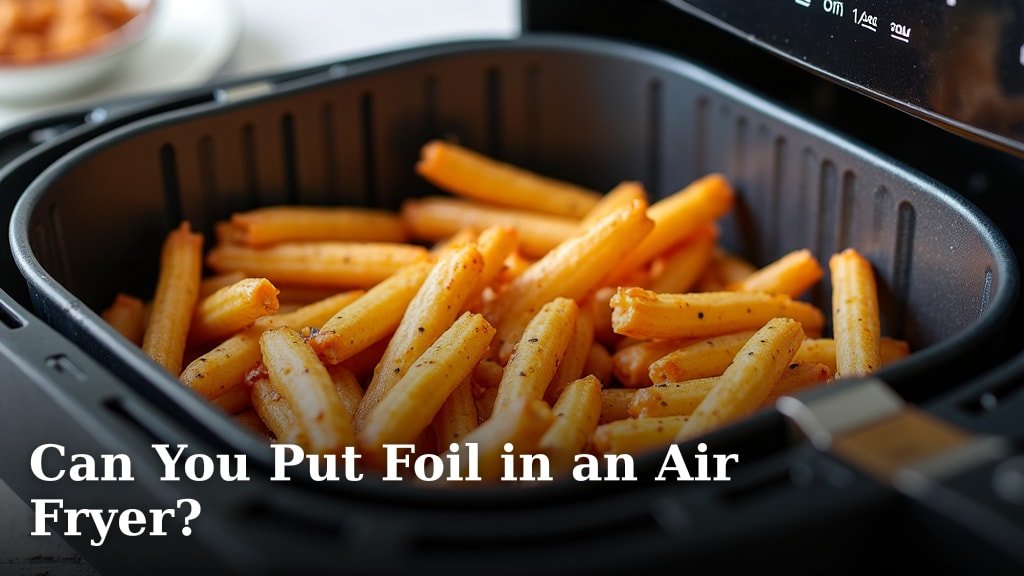
Yes, you can put foil in an air fryer, but you need to do it correctly and safely. Air fryers circulate hot air to cook food, and aluminum foil can be a convenient tool for certain dishes, if you follow some simple rules.
Using foil in your air fryer can help with cleanup or prevent some foods from sticking. However, using it improperly can block airflow or even pose a fire risk. Understanding the right way to use foil ensures you get delicious results without any trouble.
- Foil is generally safe for air fryers.
- Don’t block the air circulation.
- Avoid acidic foods with foil.
- Always use food-grade aluminum foil.
Ready to master using foil with your air fryer? Let’s walk through everything you need to know to air fry like a pro.
Using Foil Safely in Your Air Fryer
Yes, you can absolutely use foil in your air fryer, and it can be a real game-changer for certain cooking tasks.
Think of aluminum foil as a versatile helper in your kitchen. When used correctly in an air fryer, it can make cleanup easier and help you cook delicate foods. However, there are some important considerations to keep in mind for both safety and optimal cooking results.
The main thing to remember is that an air fryer works by circulating hot air. You don’t want to block that air!
Why Use Aluminum Foil in an Air Fryer?
You might be wondering, “Why even bother with foil in the first place?” Well, there are several good reasons why people reach for it.
One of the biggest benefits is easier cleanup. We found that lining your air fryer basket can help catch drips and crumbs. This means less scrubbing for you later.
Foil can also help cooked foods, like fish or certain vegetables, from sticking to the basket. Nobody wants half their meal left behind!
For some dishes, foil can help keep food moist. Wrapping something loosely in foil inside the air fryer can create a little steamy environment, preventing it from drying out too much.
You can also use foil to cook smaller items that might fall through the air fryer grates. Imagine trying to air fry tiny garlic cloves without a barrier – they’d be gone in a flash!
The Right Way: Best Practices for Using Foil
Now, let’s talk about how to use foil like a pro. It’s all about understanding your air fryer’s design.
Choosing the Right Type of Foil
Always use food-grade aluminum foil. This might seem obvious, but it’s worth stating. You’re cooking food, so you want materials designed for that purpose (USDA).
Heavy-duty foil is often a better choice too. It’s less likely to tear or crumple during cooking, especially with hot air blasting around.
Avoiding Airflow Blockage
This is arguably the most crucial rule: never block the airflow vents of your air fryer. Air fryers need constant air circulation to cook food evenly and safely.
If you line the entire bottom of the basket, you’re stopping the hot air from reaching the bottom of your food. This leads to uneven cooking and can even damage your appliance over time.
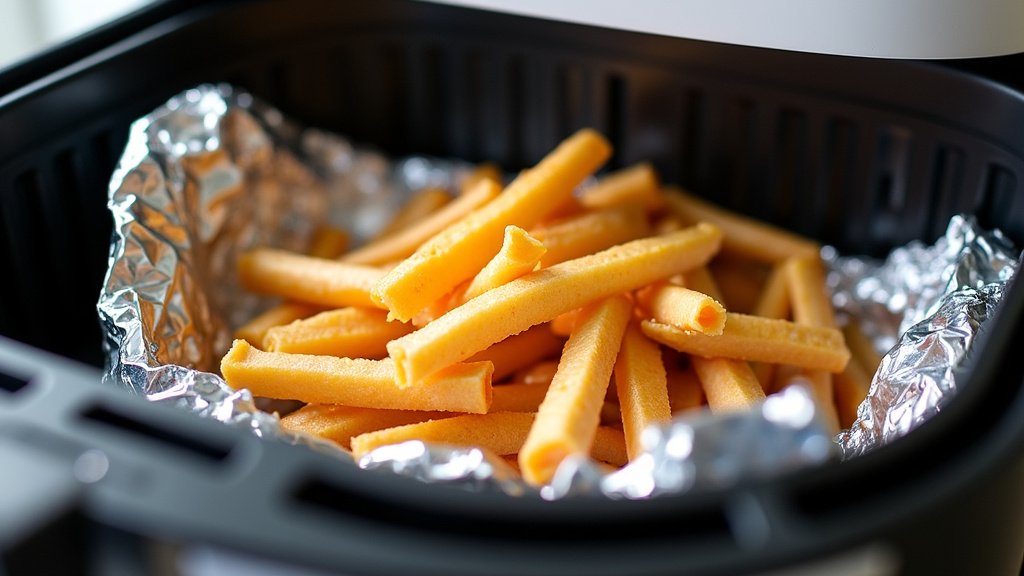
Instead, use smaller pieces of foil that cover just the food itself or create a small “tray” that leaves plenty of room around the edges of the basket.
Securing the Foil
Air fryers are powerful machines, creating a mini tornado of hot air. An unsecured piece of foil can easily get blown around.
If foil touches the heating element, it can melt, burn, or even become a fire hazard. We found that many air fryer manuals warn against this specifically.
Make sure the foil is either weighed down by your food or tucked snugly around it. Don’t let loose edges float around.
Temperature Considerations
Aluminum foil is generally safe up to 450-500°F (232-260°C). Most air fryers operate within this range or below it.
However, if your air fryer reaches very high temperatures, or if the foil is thin and directly exposed to the heating element for a long time, there’s a small risk of issues. It’s always best to keep the foil away from the heating coils.
When NOT to Use Foil in Your Air Fryer
While foil is handy, there are definitely times when you should skip it entirely.
Acidic Foods
This is an important one. We learned that acidic foods like tomatoes, lemons, vinegar, or certain marinades can react with aluminum foil (USDA). This reaction can cause small amounts of aluminum to leach into your food.
While the amount is usually very small, it can sometimes affect the taste of your food and for some people, it’s a concern. It’s best to err on the side of caution and avoid foil with acidic items.
Lightweight Foods
If you’re cooking something very light, like a single slice of cheese or very thin vegetables, and you try to cover it with foil, the foil itself might get blown around the air fryer.
This goes back to the safety concern of foil touching the heating element. It’s better to use an alternative for these items.
Dishes Requiring Maximum Crispiness
Part of the magic of an air fryer is getting that incredibly crispy texture. Foil, by its nature, traps some moisture and can prevent direct contact with the hot, circulating air.
If you want super crispy fries, chicken wings, or anything else where crispiness is key, using foil might hinder that process. It can make your food steam instead of fry.
Alternatives to Aluminum Foil
If you can’t or prefer not to use foil, don’t worry! You have other excellent options.
- Parchment Paper: This is often a fantastic alternative. Like foil, it helps with cleanup and prevents sticking. Just make sure it’s food-grade, fits your basket, and doesn’t fly around. Many parchment papers are also rated safe for air fryer temperatures.
- Silicone Liners/Mats: Reusable silicone liners are becoming very popular. They are flexible, heat-resistant, easy to clean, and designed specifically for air fryer baskets.
- Air Fryer Accessories: Many air fryers come with, or you can purchase separately, special racks, baking pans, or trays that fit perfectly. These are designed to allow optimal airflow.
- Cooking Spray/Oil: Sometimes, a simple spray of cooking oil is all you need to prevent sticking and make cleanup easier.
Foil vs. Parchment Paper: A Quick Comparison
Let’s look at a quick comparison between foil and its closest competitor, parchment paper, for air fryer use.
| Feature | Aluminum Foil | Parchment Paper |
|---|---|---|
| Material | Aluminum | Cellulose (wood pulp) with silicone coating |
| Heat Resistance | Generally up to 450-500°F | Typically up to 425-450°F (check brand specifics) |
| Non-Stick | Good, but can stick with acidic foods | Excellent, naturally non-stick |
| Flexibility/Shape | Moldable to any shape | Flexible, but holds shape less |
| Acidic Foods | Avoid (can react) | Safe to use |
| Cost | Inexpensive | Inexpensive |
As you can see, parchment paper has a slight edge when it comes to acidic foods and non-stick properties, but foil’s moldability is hard to beat for certain tasks.
Your Air Fryer Foil Safety Checklist
Before you get cooking, run through this quick checklist to ensure you’re using foil safely and effectively in your air fryer:
- Is the foil securely placed and weighted down by food?
- Are the air fryer’s ventilation holes completely clear?
- Is the foil placed well away from the heating element?
- Are you cooking non-acidic foods?
- Is the foil heavy-duty and food-grade?
- Could you use parchment paper or another accessory instead?
By following these guidelines, you’ll find that aluminum foil can be a really useful tool in your air frying adventures, helping you cook delicious meals with less mess and more confidence.
Conclusion
You now know that using foil in your air fryer isn’t just possible; it can be incredibly helpful when done right. We’ve shown you how to enjoy easier cleanup and perfectly cooked food. Always keep safety in mind, especially concerning airflow and acidic ingredients.
By following these best practices, you can confidently use foil, parchment paper, or other accessories to get the most out of your air fryer. Go ahead and experiment with these tips. You’ll soon discover new ways to make your air frying experience even better!
Frequently Asked Questions
Can I reuse aluminum foil in my air fryer?
Generally, it’s best to use fresh aluminum foil for each cooking session. Reusing foil can compromise its integrity, making it more prone to tearing. This can lead to food sticking or small pieces getting into your meal.
What happens if foil touches the heating element in an air fryer?
If foil touches the heating element, it can melt, burn, or even create a fire hazard. The intense heat can also cause it to fuse to the element, potentially damaging your appliance. Always ensure foil is secured and away from heating coils.
Is it okay to put frozen food wrapped in foil directly into the air fryer?
Yes, you can often air fry frozen food wrapped in foil. Just make sure the foil is secured and doesn’t block airflow. Be aware that the cooking time might increase, and the food might not get as crispy compared to unwrapped items.
Can I use non-stick aluminum foil in my air fryer?
Absolutely! Non-stick aluminum foil is a great option for air frying. It offers the same benefits as regular foil but with an added layer of protection to prevent food from sticking. Always ensure it’s rated for high temperatures.
How do I prevent foil from flying around inside the air fryer?
To keep foil from flying, always ensure it’s securely weighed down by the food you’re cooking. You can also crimp the edges around the food to create a snug fit. Avoid using loose or overly large pieces of foil that aren’t contained.
