Using Liners Safely in Your Air Fryer Basket
So, can you actually air fry with a liner in the basket? The short answer is a resounding yes! It’s a common question, and the good news is that using liners is not only possible but often recommended. They can make your air frying experience much more enjoyable. You just need to know which ones to use and how to use them correctly. Think of them as your air fryer’s best friend for easy cleanups.
Many people worry about whether these liners will get in the way of how the air fryer works. After all, air circulation is key to getting that signature crispiness. We’ve looked into it, and when you use the right type of liner, it works wonderfully. It allows air to flow, keeping your food deliciously browned and crunchy. It’s like giving your air fryer a little helper without slowing it down.
Why You Might Want to Use an Air Fryer Liner
Let’s talk about why these liners are so popular. The biggest reason is definitely To keep your air fryer in top condition, learn how to clean an air fryer effectively after use.cleanup. Nobody enjoys scrubbing stuck-on food from their air fryer basket. A liner means you can often just lift out the used liner and toss it. This saves you a lot of time and effort after cooking. It’s a simple way to keep your appliance looking and performing its best.
Beyond just making cleanup easier, liners can also help prevent your food from sticking to the basket. This is especially helpful for delicate items or foods that tend to cling, like fish or cheese. When food doesn’t stick, it cooks more evenly. You’re less likely to end up with burnt bits or unevenly browned pieces. It’s all about making your cooking experience smoother.
The Role of Airflow and Liner Design
The core of air frying is how the hot air circulates. It’s what makes your food crispy. So, does a liner block this essential airflow? Not if it’s designed correctly. Most air fryer liners are made with perforated holes or are shaped to allow air to move freely. We’ve found that liners specifically made for air fryers are engineered with this in mind. They have openings that mimic the basket’s own design.
Some liners are made of silicone, while others are parchment paper. Both types have their own ways of letting air pass through. Silicone liners often have raised edges and holes. Parchment liners have pre-cut holes. The key is that they aren’t solid sheets completely sealing the basket. This design helps ensure that the hot air can still reach all sides of your food.
Different Types of Air Fryer Liners Available
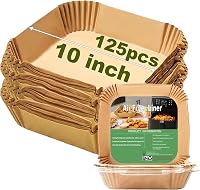
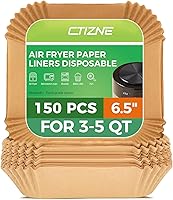
You’ll find a few main types of liners when you start looking. The most common are disposable parchment paper liners. These are super convenient because you just use them and throw them away. They come in pre-cut rounds or squares that fit many basket sizes. They’re a great option if you want the absolute easiest cleanup.
Then there are reusable silicone liners. These are fantastic for the environment and your wallet in the long run. They’re made from food-grade silicone, which is heat-resistant and easy to clean. You can wash them by hand or often put them in the dishwasher. Silicone liners can sometimes be a bit thicker, so make sure they still allow for good air circulation.
Parchment Paper Liners: Pros and Cons
Parchment liners are like paper plates for your air fryer. They are incredibly easy to use. You just place one in the basket, add your food, and cook. When you’re done, the food residue is mostly on the liner. This means you often only need to wipe down the basket itself, if at all. They are also relatively inexpensive, especially when bought in bulk.
However, there’s a small catch. Because they’re disposable, they do create waste. Also, if you’re air frying something very light, like a single piece of lettuce or a very light batter, the airflow could potentially lift the liner and cause it to get too close to the heating element. This is rare, but it’s something to be aware of. We found that using a heavier food item usually keeps the liner down well.
Silicone Liners: Pros and Cons
Reusable silicone liners are a smart choice for the eco-conscious cook. You buy them once and can use them hundreds of times. They are durable and withstand high temperatures. Many are designed with features to improve air circulation, like raised patterns or strategic holes. They can also add a bit of non-stick quality to your basket.
The downside to silicone liners is that they do require cleaning after each use. While often dishwasher-safe, they still need to be washed. Sometimes, greasy foods can leave a slight residue that might need a bit of scrubbing. Also, ensure the silicone liner you choose is specifically designed for air fryers, with appropriate perforations or patterns. Some solid silicone mats can impede airflow too much.
Crucial Safety Tips When Using Air Fryer Liners
Safety is always our top priority when talking about kitchen appliances. Using liners is generally safe, but there are a few rules to follow. The most important one: never run your air fryer empty with a liner inside. Liners are meant to be used with food. The food acts as a weight, keeping the liner in place and preventing it from interfering with the heating element.
We’ve also heard of incidents where liners, especially parchment ones, got too close to the heating coil when there was no food. This can cause the liner to scorch or even catch fire. Always ensure there’s food in the basket before you turn on your air fryer, especially if you’re using disposable liners. It’s a simple step that makes a big difference.
What to Look for in a Quality Air Fryer Liner
When you’re shopping for liners, keep a few things in mind. First, make sure they are food-grade and heat-resistant. This ensures they are safe for cooking and won’t release harmful chemicals when heated. Look for materials like BPA-free silicone or high-quality parchment paper. Reputable brands usually make this clear on their packaging.
Second, consider the size and shape. Liners should fit your air fryer basket snugly without overlapping the edges too much. Some are universal, while others are made for specific air fryer models. A liner that’s too big might curl up or block airflow. A liner that’s too small might not protect the basket adequately. Check the dimensions before you buy.
When NOT to Use a Liner
While liners are great, there are times you might want to skip them. If you’re cooking something that produces a lot of its own grease, like bacon, the liner can actually trap that grease. This might prevent the grease from draining away as intended, potentially leading to smoking or less crispy results. Some experts suggest you might get a better result with bacon directly in the basket.
Also, if you’re cooking very small, lightweight items that might get tossed around by the air, a liner could be problematic. As we mentioned, a light liner with light food might fly up. In these cases, it might be safer and more effective to use the air fryer basket as is. Always use your best judgment based on the food you’re preparing.
Making the Most of Your Air Fryer with Liners
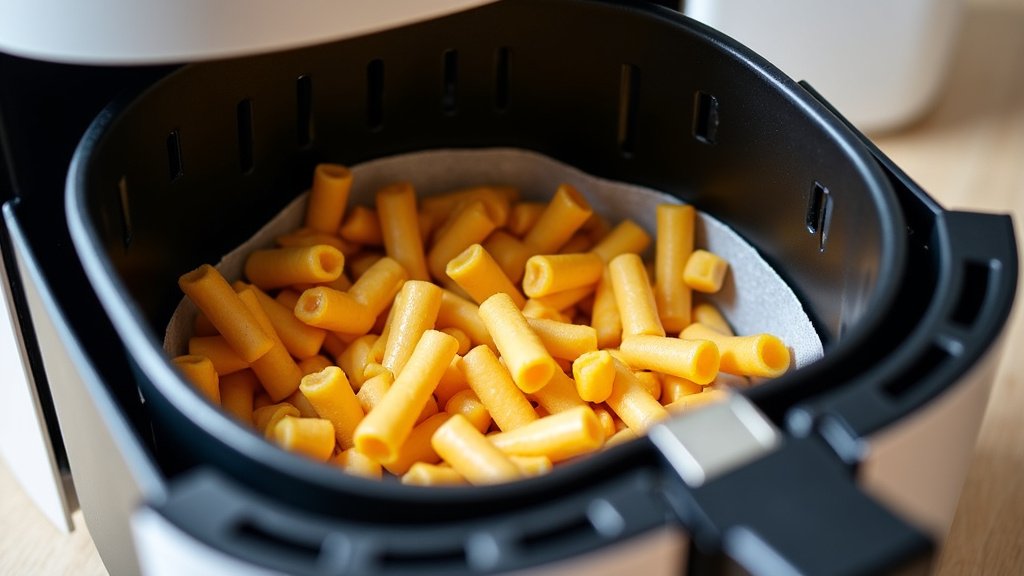
Using liners can really enhance your air frying experience. They simplify the process, especially for busy weeknights. Imagine finishing your meal and then just tossing the liner instead of scrubbing. It’s a small change that makes a big difference in your kitchen routine. Many users report enjoying their air fryer more because of the easy cleanup.
The key is to find the right liner for your needs. Whether you prefer the convenience of disposable parchment or the sustainability of a reusable silicone liner, there’s an option for you. By following the safety tips and choosing quality products, you can enjoy delicious, crispy food with minimal fuss. It’s about making your air fryer work smarter, not harder, for you.
Checklist for Using Air Fryer Liners Safely and Effectively
- Choose the right liner type: Parchment or silicone, designed for air fryers.
- Ensure proper fit: Liner should fit your basket without excessive overlap.
- Never air fry an empty basket: Always have food in the basket when using a liner.
- Check for holes: Liners need perforations or patterns for airflow.
- Consider the food: Avoid liners for very greasy foods that need to drain.
- Wash or discard promptly: Keep your liner clean for next use.