
Why Is My Food Not Getting Crispy in the Air Fryer?
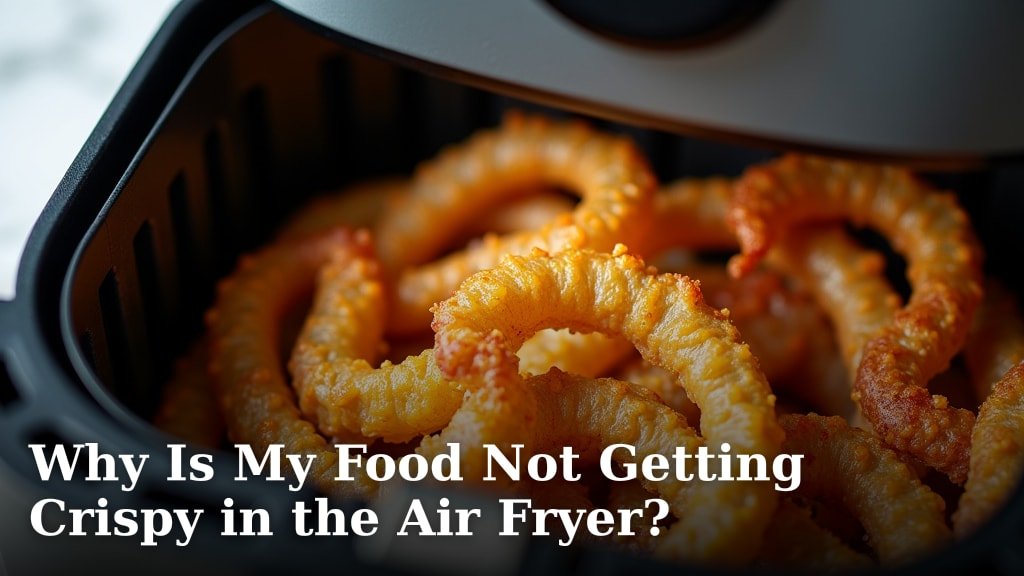
Your food isn’t getting crispy in the air fryer likely due to overcrowding the basket, insufficient oil, or incorrect temperature settings. These common mistakes prevent proper air circulation and browning, leaving your food soggy instead of deliciously crunchy.
Many home cooks face this challenge, wondering why their air-fried dishes lack that desirable crunch. It often boils down to understanding how your appliance works and optimizing your cooking method. We found that proper technique is key to achieving perfectly crispy results every time.
- Overcrowding prevents air flow.
- Not enough oil stops browning.
- Wrong temperature affects crispiness.
- Moisture is the enemy of crisp.
Let’s explore the top reasons why your air fryer might be falling short and exactly what you can do to fix it. We’ll help you get that satisfying crunch you’re looking for!
Troubleshooting Your Air Fryer: Why Your Food Isn’t Crispy
Achieving perfectly crispy food in your air fryer isn’t always automatic. Many factors can prevent that coveted crunch. We’ve identified the most common culprits so you can easily turn your soggy meals into golden, crispy delights.
Let’s dive into why your air fryer might be letting you down and how to fix it.
Overcrowding: The #1 Enemy of Crispiness
Imagine trying to dry a bunch of wet clothes by stuffing them into a tiny closet. They won’t dry, right? The same principle applies to your air fryer.
Overcrowding the basket is the most common reason food fails to crisp up. Your air fryer works by circulating hot air around your food. When the basket is too full, this airflow is blocked.
Food ends up steaming instead of frying. It’s like cooking in a miniature convection oven, but without proper air movement, you lose the “frying” effect.
The Impact of Restricted Airflow
When there’s not enough space, moisture released from the food gets trapped. This creates steam. Steam makes food soft and soggy, the exact opposite of what you want.
Each piece of food needs its own space. It needs to “breathe.” This allows the hot air to hit every surface, driving off moisture and promoting browning.
Think of it like a crowded dance floor. If everyone is squished together, no one can really move. Your food needs room to dance with the hot air!
How to Avoid Overcrowding
- Cook in batches. This is perhaps the simplest solution. It might take a little longer, but the results are worth it.
- Ensure a single layer. For most foods, especially things like fries or chicken wings, lay them in a single layer without overlapping.
- Leave space between pieces. Don’t let your food touch. Aim for a little gap around each item.
- Consider a larger air fryer. If you frequently cook for more than one or two people, a larger capacity air fryer might be a wise investment.
Not Enough Oil (or Too Much!)
While air frying uses less oil than deep frying, it doesn’t mean no oil. A small amount is often key to achieving that beautiful golden-brown crisp.
Oil helps conduct heat and promotes browning. It creates a crispy outer layer. Without it, your food can look pale and taste dry.
The Right Amount of Oil
Generally, a light spray or a drizzle is enough. For most foods, 1-2 teaspoons of oil is sufficient. For things like breaded items, you might need a bit more.
You want to lightly coat the food. Not drench it. Too much oil can make food greasy and prevent crisping. It can also cause excess smoke.
Consider the type of oil too. High smoke point oils like avocado oil, grapeseed oil, or canola oil are best. Olive oil has a lower smoke point and can smoke at higher air frying temperatures.
Temperature and Timing Issues
The right temperature and cooking time are critical for crispiness. Too low a temperature, and your food won’t crisp. Too high, and it might burn before it’s cooked through or crispy.
Understanding Temperature Settings
Most recipes call for temperatures between 350°F and 400°F (175°C – 200°C) for crispy results. Lower temperatures can dehydrate food without browning it.
We found that preheating your air fryer is often overlooked. Just like a conventional oven, preheating ensures the food starts cooking immediately at the correct temperature. This helps achieve a consistent crisp. Give it 3-5 minutes to preheat.
The Importance of Shaking or Flipping
Your air fryer isn’t a “set it and forget it” appliance for every dish. Many foods need to be shaken or flipped partway through cooking.
This ensures even exposure to the hot air. If you don’t, the side facing the heating element will crisp, while the bottom remains soft. Think of it like turning a steak on a grill.
For smaller items like fries or veggies, shaking the basket every 5-7 minutes works wonders. For larger items, flip them once or twice.
Moisture is Your Enemy
Water content in food is the primary obstacle to crispiness. Hot air needs to evaporate this moisture to create a dry, crispy surface.
Drying Your Food Properly
Before air frying, make sure your food is as dry as possible. This is especially true for fresh or thawed ingredients.
- Pat dry with paper towels. This simple step makes a huge difference, especially for items like chicken wings or potatoes.
- Blanching or par-boiling. For potatoes, a quick blanching (boiling for a few minutes) before air frying can help remove surface starches and moisture, leading to extra crispy fries.
Coating for Crispiness
Certain coatings can enhance crispiness and create a barrier against moisture.
- Starchy coatings: A light dusting of cornstarch or flour can absorb surface moisture and create a super crispy exterior. This is excellent for things like chicken or tofu.
- Breadcrumbs: Panko breadcrumbs are fantastic for air frying. They are coarser and absorb less oil, leading to a much crunchier result than regular breadcrumbs.
Appliance-Specific Quirks
Not all air fryers are created equal. Even within the same brand, models can vary slightly. Your air fryer might have its own personality!
Calibration and Hot Spots
Some air fryers run hotter or cooler than their display indicates. You might need to adjust the temperature up or down by 25°F (15°C) to get optimal results.
Also, some units might have hot spots. This means certain areas of the basket get hotter than others. Regular shaking or flipping helps distribute the heat evenly.
We found that using an instant-read thermometer can help you verify if your air fryer is reaching and maintaining the correct temperature.
Here’s a quick reference table for common air frying issues and fixes:
| Problem | Reason | Solution |
|---|---|---|
| Food is soggy | Overcrowding, too much moisture | Cook in batches, pat food dry, use single layer |
| Food is pale | Not enough oil, too low temp | Lightly oil food, increase temp, preheat |
| Uneven crisping | No shaking/flipping, hot spots | Shake/flip food often, rotate basket if possible |
| Food sticks | Not enough oil, dirty basket | Lightly oil basket/food, clean after each use |
Checklist for Crispy Air Fryer Results
Before you start cooking, run through this quick checklist to set yourself up for success:
- Is the air fryer preheated?
- Is your food patted dry?
- Is there a light coating of oil on the food?
- Is the basket loaded in a single layer without overcrowding?
- Are you planning to shake or flip the food halfway through?
By following these steps, you’ll significantly improve your chances of achieving that perfect crunch. Happy air frying!
Conclusion
Achieving perfectly crispy air-fried food is well within your reach! By consistently applying these tips, you’ll overcome common air fryer frustrations. Remember to avoid overcrowding, use just enough oil, and pay attention to temperature and moisture. A little patience, like cooking in batches, yields big results.
You now have the knowledge to troubleshoot and master your air fryer. Experiment with different foods and techniques. We’re confident you’ll soon be enjoying those satisfyingly crunchy meals you’ve been craving. Happy air frying, and enjoy your perfectly crisp creations!
Frequently Asked Questions
Why do my air fryer fries come out soggy?
Soggy fries usually result from overcrowding the basket or too much moisture. Make sure to pat your cut potatoes very dry before air frying. Cook them in a single layer, possibly in batches, to allow proper airflow and moisture evaporation.
Should I always preheat my air fryer?
Yes, preheating is highly recommended for best results. It ensures your food starts cooking immediately at the correct temperature. This helps achieve a consistent crisp and reduces overall cooking time slightly, similar to a traditional oven.
What’s the best oil to use for air frying?
Opt for oils with a high smoke point, like avocado, grapeseed, or canola oil. These oils can withstand the high temperatures of air frying without smoking or imparting a burnt flavor. A light spray or toss is usually all you need.
Can I put wet batter in an air fryer?
Generally, wet batters don’t work well in an air fryer. They tend to drip and create a mess without crisping properly. For best results, use dry coatings like breadcrumbs or flour/cornstarch mixtures, or par-bake items first.
My air fryer smokes a lot. What am I doing wrong?
Excessive smoke often indicates too much oil, especially if it pools at the bottom of the basket. It could also mean you’re using an oil with a low smoke point. Clean your air fryer regularly, as old grease can also cause smoking.
