
Is an Air Fryer Safe to Use?
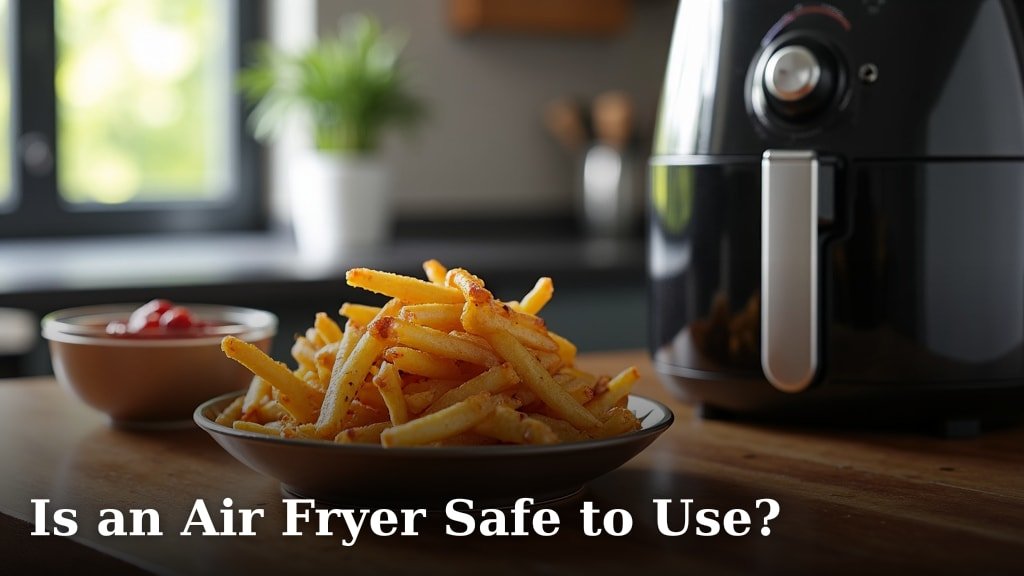
Yes, air fryers are generally safe to use when you follow the manufacturer’s instructions. We found that most concerns about air fryer safety come from improper use or maintenance, not the appliance itself.
You might wonder about things like plastic components touching food or the safety of non-stick coatings. Many experts say that modern air fryers use food-safe materials. Understanding how your air fryer works helps alleviate worries.
- Air fryers are safe with proper use.
- Avoid overcrowding for even cooking.
- Clean regularly to prevent smoke.
- Check for PFOA/PTFE-free models if concerned.
Let’s dive into the details and sort out the facts from common myths about air fryer safety.
Okay, let’s get into the nitty-gritty of air fryer safety. You’ve heard the buzz, but what about the facts? We’ll break it down for you.
Understanding Air Fryer Safety
Air fryers are generally safe appliances. Your concerns often come from how they’re used. We’ll show you how to use yours safely.
How Air Fryers Work & Why It Matters for Safety
An air fryer is essentially a compact convection oven. It circulates hot air rapidly around your food. This process cooks food evenly and creates a crispy exterior.
This method requires very little oil. Less oil means fewer unhealthy fats. It’s a healthier way to cook many foods.
Understanding this basic function helps explain safety. The enclosed cooking chamber keeps heat contained. A powerful fan moves the hot air. This clever design cooks food quickly and efficiently.
Materials Used in Air Fryers: Are They Food-Safe?
When you buy an air fryer, you’re investing in materials designed for cooking. Manufacturers use specific components for safety. But what are they, and are they safe?
Non-Stick Coatings: PFOA and PTFE
Many air fryer baskets and trays have non-stick coatings. These coatings make cleaning easier. They also help food release without sticking. The most common type is PTFE, also known as Teflon.
In the past, some non-stick coatings contained PFOA (perfluorooctanoic acid). PFOA was a concern due to potential health risks. However, PFOA has been largely phased out of non-stick cookware since 2013 (Environmental Protection Agency).
Today, most air fryers advertise themselves as PFOA-free. PTFE itself is generally considered safe for consumer use. It becomes a concern only at very high temperatures, usually above 500°F (300°C). Air fryers typically operate below this threshold. Most cook at 400°F or lower.
Look for air fryers that state they are PFOA-free and PFAS-free for extra peace of mind. Some models use ceramic or stainless steel interiors instead. These are also great options.
Plastic Components and Heat Exposure
Air fryers do contain plastic parts. These are usually on the exterior or handles. These plastics are generally dishwasher-safe and heat-resistant. They are not meant to touch the cooking food.
The internal components that touch food are usually metal with non-stick coatings. These parts are designed to withstand high temperatures. They are made from food-grade materials. This means they won’t leach harmful chemicals into your food.
Here’s a quick overview of common materials:
| Material | Common Use | Safety Consideration |
|---|---|---|
| Stainless Steel | Interior, heating elements | Highly heat-resistant, non-reactive, very safe. |
| Non-Stick (PTFE) | Basket, tray coatings | Safe below 500°F, PFOA-free is standard now. |
| Ceramic | Basket, tray coatings | Often PFOA/PTFE-free alternative, durable. |
| High-Grade Plastic | Exterior casing, handles | Designed not to touch food, heat-resistant. |
| Silicone | Some accessories, liners | Food-grade, heat-safe up to certain temps. |
Common Safety Concerns and How to Address Them
You might have heard various worries about air frying. Let’s tackle them one by one. Many concerns are simple to resolve with proper practices.
Fire Hazards: A Real Threat or Exaggerated Fear?
Any electrical appliance carries some risk of fire. Air fryers are no exception. However, they are not inherently more dangerous than other kitchen appliances. Most incidents stem from misuse.
- Overfilling: Don’t cram too much food into the basket. This restricts airflow and can lead to uneven cooking or smoking.
- Grease Buildup: Regular cleaning is essential. Accumulated grease can ignite. A clean air fryer is a safe air fryer.
- Placement: Always place your air fryer on a stable, heat-resistant surface. Keep it away from walls and cabinets. Ensure plenty of space for air circulation around the appliance.
- Wrong Foods: Avoid very greasy foods that drip excess fat. Use parchment paper liners (made for air fryers) to catch drips.
Smoke Production: When Is It a Problem?
Seeing a little smoke from your air fryer can be alarming. Sometimes, it’s just normal cooking vapor. Other times, it signals a problem.
A little white smoke is usually steam from very moist food. This is normal. Darker, gray, or blue smoke is a warning sign. It often means oil or food particles are burning. Stop cooking immediately if you see this.
If you experience persistent smoking, it’s likely due to:
- Fat dripping and burning: Excess grease pooling in the bottom tray.
- Food particles stuck on the heating element: Bits of last night’s dinner causing a flare-up.
- Overheating: The temperature setting might be too high for the food.
The solution? Clean your air fryer frequently. After every use, clean the basket and drawer. Wipe down the heating element when it’s cool. This prevents buildup.
Acrylamide Formation and Your Food
You might have heard about acrylamide, a chemical linked to potential cancer risk. It can form in certain starchy foods cooked at high temperatures (National Cancer Institute). This applies to any high-heat cooking method, including baking, roasting, and frying – not just air frying.
So, is air frying worse? Not necessarily. Because air fryers use less oil and often cook faster, they might even reduce acrylamide formation compared to deep-frying. Research is ongoing in this area. A study published in the European Food Safety Authority Journal discusses strategies to reduce acrylamide.
To minimize acrylamide in starchy foods like fries:
- Don’t overcook or burn them. Aim for a golden-yellow color, not dark brown.
- Soak raw potato slices in water for 15-30 minutes before cooking. This helps reduce starch content.
- Pat food dry before air frying.
Best Practices for Safe Air Fryer Use
Using your air fryer safely is easy once you know the rules. Think of your air fryer as a friend that needs a little care and attention. Follow these tips to ensure a safe and pleasant cooking experience.
Read Your User Manual
This is probably the most important step. Every air fryer model is slightly different. Your manual contains specific instructions for your appliance. It covers proper use, cleaning, and maintenance. It will list maximum fill lines and temperature recommendations. Don’t skip this critical step!
Proper Placement and Ventilation
Where you put your air fryer matters. Give it space. We recommend at least 5-6 inches of clearance on all sides. This includes the back, sides, and top. It ensures proper airflow and prevents heat buildup. Never place it under hanging cabinets where steam can cause damage.
Place it on a countertop that can handle heat. A granite or tile surface is ideal. If you have a laminate countertop, place a heat-resistant mat underneath.
Cleaning and Maintenance: Your Safety Shield
A clean air fryer is a safe air fryer. This isn’t just about hygiene. It’s about preventing dangerous flare-ups. Clean the basket and drawer after every use. Most are dishwasher safe. Make sure they are completely dry before putting them back.
Periodically, clean the interior of the appliance. Unplug it first and let it cool completely. Use a damp cloth to wipe down the inside. Pay attention to the heating element at the top. Remove any stuck-on food bits. This prevents smoke and burning odors.
Here’s a quick checklist for safe air fryer use:
- Always consult your appliance’s user manual.
- Ensure adequate space around the air fryer (at least 6 inches).
- Clean the basket and drawer after each use to prevent grease buildup.
- Avoid overcrowding the basket; cook in batches if needed.
- Never leave your air fryer unattended while it is operating.
- Use air fryer-safe accessories like parchment liners or silicone mats.
Choosing a Safe Air Fryer Model
When you’re shopping for an air fryer, safety features should be a priority. How do you pick one that gives you peace of mind?
Look for Certifications and Ratings
Check for safety certifications. In the US, look for a UL (Underwriters Laboratories) certification. This means the product has met rigorous safety standards for electrical appliances. Other reputable certifications include ETL or CSA.
These certifications indicate that the product has been tested. They show it meets national safety requirements. It’s a stamp of approval that your air fryer was built with safety in mind.
Features That Enhance Safety
Modern air fryers come with features designed to make them safer. Keep an eye out for these:
- Automatic Shut-Off: Most models turn off automatically when the timer expires. Some also shut off if they overheat.
- Cool-Touch Exterior: This feature keeps the outside of the air fryer from getting too hot. It prevents accidental burns.
- Non-Slip Feet: These keep your air fryer stable on the countertop. It prevents it from sliding or falling.
- BPA-Free Materials: If you’re concerned about plastics, look for models that advertise BPA-free construction.
Investing in a trusted brand often means better build quality. Reputable brands tend to have more stringent safety checks. They also offer better customer support if issues arise.
There’s no reason to fear your air fryer. With a little knowledge and care, it can be a convenient, healthy, and safe addition to your kitchen.
Conclusion
You can breathe easy knowing your air fryer is a safe and welcome addition to your kitchen. We’ve seen that most concerns about air fryer safety come from simple misunderstandings, not inherent flaws. By following manufacturer guidelines and basic kitchen safety, you’ll minimize any risks.
Keep your air fryer clean, give it space, and always read the manual. These small steps ensure you get to enjoy healthy, crispy meals without worry. Go confidently and continue to create delicious dishes with your appliance!
Frequently Asked Questions
Can I put aluminum foil in an air fryer?
Yes, you can use aluminum foil in an air fryer, but with some precautions. Make sure it doesn’t block airflow or touch the heating element. It’s best for wrapping food or lining the basket to prevent sticking.
Why does my air fryer smell like burning plastic?
A burning plastic smell in your air fryer is usually a sign something is overheating or melting. Check if any plastic food packaging or accessory accidentally touched the heating element. Unplug it immediately, let it cool, and inspect it thoroughly before using it again.
Is it safe to leave an air fryer plugged in all the time?
While most modern appliances are designed for safety, it’s generally best practice to unplug your air fryer when not in use. This prevents phantom power draw and eliminates any potential for electrical issues, offering extra peace of mind.
Can air fryers cause carbon monoxide?
No, air fryers do not produce carbon monoxide. They are electric appliances that don’t use combustion, which is what creates carbon monoxide. Any smoke or odors are typically from food particles or grease buildup.
Are there any foods I should avoid cooking in an air fryer?
While air fryers are versatile, avoid cooking foods with very thin batters that can blow around and make a mess. Also, large amounts of cheese or very liquid-heavy foods might not cook well and could make cleaning difficult. Stick to foods that can withstand circulating hot air.
