
Does Air Frying Produce Toxic Fumes?
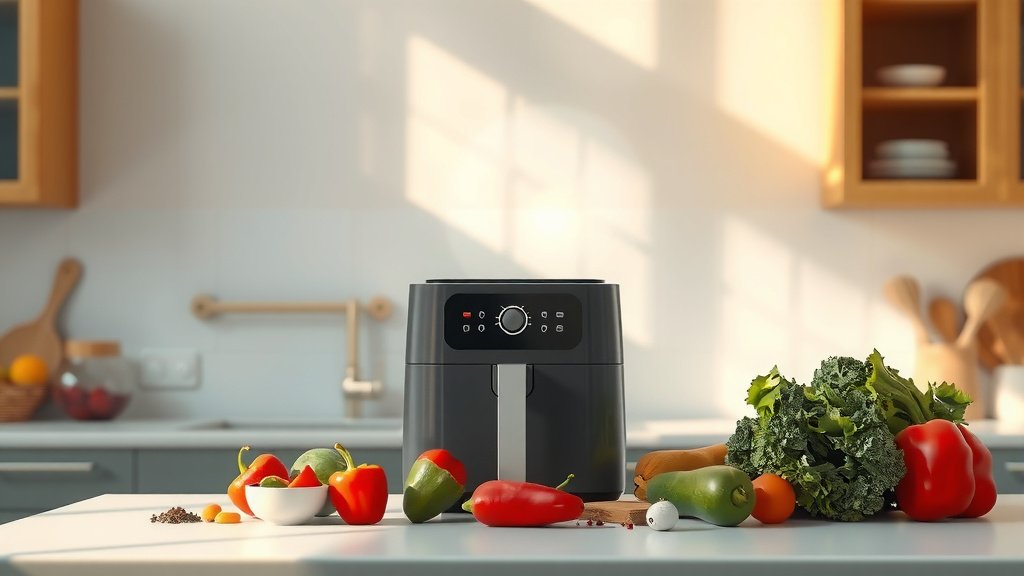
Air frying can produce fumes, but these are typically not “toxic” in the everyday sense, often stemming from cooking food at high temperatures or from new appliance odors.
While some compounds like acrylamide can form with high-heat cooking methods, including air frying, proper use and ventilation significantly reduce any potential risks.
TL;DR: Key Takeaways on Air Frying Fumes
- Air frying can create fumes, often from food or new appliance smells, not inherently toxic.
- High temperatures can lead to compounds like acrylamide, a common factor in many cooking methods.
- Good ventilation is your best friend when using an air fryer to keep your kitchen air clean.
- The materials of your air fryer, especially non-stick coatings, are generally safe in modern appliances.
- Simple practices like not overcrowding and cleaning your air fryer regularly minimize smoke and odors.
Does Air Frying Produce Toxic Fumes?
Generally, air frying does not produce toxic fumes when used correctly. The odors you smell are usually cooking smells or temporary “new appliance” off-gassing, not harmful toxins.
Understanding Cooking Fumes
Every time you cook, some fumes are present. Think about baking cookies or frying bacon. You smell the food, right? Air frying is no different; it’s a cooking method.
The main concern with fumes comes from specific compounds formed under high heat, or from the appliance itself.
What Causes Air Fryer Fumes?
Fumes from your air fryer usually fall into a few categories. First, there’s the natural smell of food cooking. Second, new appliances can have a “new electronics” smell.
Third, sometimes smoke can occur if food is burned or if there’s grease buildup. These are often fixable issues, not toxic threats.
Acrylamide: A Common High-Heat Compound
Let’s talk about acrylamide. This chemical can form in starchy foods, like potatoes or bread, when cooked at high temperatures. Air frying, baking, roasting, and deep frying all can create it.
We found that acrylamide formation is linked to browning reactions (FDA). The darker the food, the more acrylamide it might contain.
Reducing Acrylamide While Air Frying
You can lessen acrylamide formation. Don’t overcook or burn your food. Aim for a golden-yellow color rather than dark brown.
Some research also suggests soaking potatoes before air frying can help (NIH). Cutting back on overly browned foods is a good general practice.
Concerns About Non-Stick Coatings and VOCs
Many air fryers feature non-stick coatings. Older coatings sometimes used PFOA or PFAS chemicals, which raised health concerns.
However, we found that modern air fryers are typically PFOA-free (EPA). When new, some air fryers might release volatile organic compounds (VOCs) during their first few uses.
First Use and Ventilation Tips
It’s smart to “burn off” a new air fryer before cooking food. Run it empty for 10-15 minutes in a well-ventilated area.
This helps dissipate any initial manufacturing odors or minor VOCs. Always use your air fryer in a kitchen with good airflow, perhaps near an open window or under an exhaust fan.
Grease and Food Particles: The Smoke Culprit
Often, “smoke” from an air fryer is not toxic fumes, but simply burning grease or food particles.
If you’re cooking fatty foods, excess oil can drip down and smoke. This is similar to a greasy oven smoking.
Preventing Smoke in Your Air Fryer
To avoid smoke, always clean your air fryer after each use. Remove any food bits and grease from the basket and drawer.
For very fatty foods, adding a little water to the bottom drawer can help catch drippings. Some people also use parchment liners made for air fryers.
Is Air Frying Safer Than Deep Frying?
Let’s compare. Deep frying uses a lot of oil, reaching very high temperatures. This can lead to more smoke and potentially more harmful compounds if the oil breaks down.
Air frying uses significantly less oil, often just a tablespoon or two. This inherently reduces the amount of burning oil and grease, making it generally a cleaner cooking method.
| Cooking Method | Oil Usage | Smoke Potential | Acrylamide Risk |
|---|---|---|---|
| Air Frying | Very Low | Low (if clean) | Moderate (with high heat/browning) |
| Deep Frying | High | High (from oil breakdown) | Moderate (with high heat/browning) |
| Baking/Roasting | Low to Moderate | Low (if not burned) | Moderate (with high heat/browning) |
The Importance of Ventilation
We can’t stress this enough: good ventilation is key for any cooking, including air frying. Open a window, turn on your range hood, or use an exhaust fan.
This removes cooking odors, steam, and any potential airborne compounds, keeping your kitchen air fresher.
Maintaining Your Air Fryer for Optimal Health
Think of your air fryer like any other kitchen appliance; it needs care. Regular cleaning is not just about hygiene; it’s about performance and safety.
A dirty air fryer can smoke more, cook unevenly, and even smell bad. A clean machine is a happy, safer machine.
Checklist for Safe Air Frying Practices
- Ventilate Well: Always use your air fryer in a well-aired space.
- Pre-Clean: Run a new air fryer empty for 10-15 minutes first.
- Don’t Overfill: Give food space; overcrowding reduces airflow and increases smoke risk.
- Avoid Burning: Cook to golden, not charred.
- Clean Regularly: Wash the basket and drawer after every use to prevent grease buildup.
- Check Oil: For fatty foods, consider adding water to the bottom or using liners.
When to Be Concerned About Air Fryer Fumes
If you notice thick, acrid smoke that doesn’t clear, or if you feel unwell, stop using the appliance. This is rare but important to note.
Most issues are simply burning food or grease, but intense, persistent smoke could signal a problem with the unit itself.
Conclusion
So, does air frying produce toxic fumes? For the vast majority of users, the answer is no, not in a harmful sense. You’re mostly dealing with cooking smells, not dangerous chemicals.
Like any cooking method, air frying involves high heat, which can form certain compounds. But by following simple best practices like good ventilation, not burning your food, and regular cleaning, you can enjoy all the benefits of air frying with peace of mind. Your kitchen, and your lungs, will thank you!
Frequently Asked Questions About Air Frying Fumes
Can the “new plastic smell” from an air fryer be harmful?
The initial “new plastic smell” from an air fryer is usually from manufacturing residues burning off. It’s generally not considered harmful for occasional exposure, but it’s best to run the air fryer empty in a well-ventilated area for the first 10-15 minutes before cooking food. This helps dissipate the smell.
Does cooking with an air fryer create more fumes than baking in an oven?
Not necessarily. Both air frying and oven baking involve dry heat cooking. The amount of fumes largely depends on the food being cooked, its fat content, and how high the temperature is. An air fryer’s compact size and powerful fan might concentrate odors more, but good ventilation helps manage this for both methods.
How can I prevent my air fryer from smoking when cooking fatty foods?
To prevent smoking from fatty foods, first, ensure your air fryer is clean. For very greasy items, try adding a tablespoon of water to the bottom of the air fryer drawer beneath the basket. This can help catch drippings and prevent them from burning. Using an air fryer parchment liner can also be effective.
Are the non-stick coatings in air fryers safe regarding fumes?
Modern air fryers primarily use non-stick coatings that are PFOA-free and generally considered safe for cooking. Concerns primarily existed with older PFOA-containing coatings that could release fumes at extremely high temperatures. As long as your air fryer is not damaged or scratched, the coating should not be an issue under normal use.
What’s the best way to ventilate my kitchen when using an air fryer?
The best way to ventilate your kitchen is to use your range hood or exhaust fan. If you don’t have one, opening a window or door nearby helps create airflow. This will help draw out cooking odors, steam, and any potential fumes, keeping your kitchen air fresh and clear.
