
Can You Put A Cake Slicer In Air Fryer?
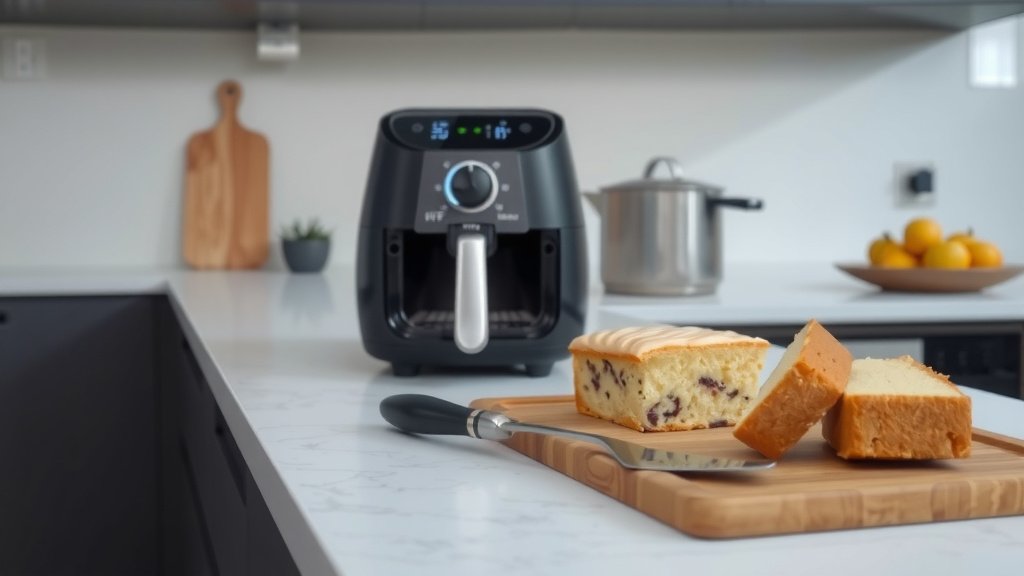
No, you generally cannot put a metal cake slicer in an air fryer. Most metal cake slicers are not designed to withstand the high, dry heat of an air fryer, and they can cause safety issues or damage your appliance.
While a cake slicer itself isn’t meant for cooking, its material and design make it unsuitable for the air frying environment.
- TL;DR: Using a metal cake slicer in an air fryer is a bad idea.
- The high heat can warp metal, melt plastic parts, or even scratch the air fryer’s non-stick coating.
- Always choose air-fryer-safe materials like silicone, parchment paper, or ceramic bakeware for anything you put inside.
- Think about why you’d put a slicer in there – if it’s for holding food, use a proper rack or basket.
- Prioritize safety and maintain your air fryer by only using appropriate accessories.
Can You Put A Cake Slicer In Air Fryer?
You absolutely should not put a cake slicer in your air fryer. It’s a tool for portioning baked goods, not for cooking or holding food during the air frying process.
Using the wrong tools can be risky for you and your appliance. Let’s explore why this isn’t a good idea and what safe alternatives exist.
Why a Cake Slicer and Air Fryer Don’t Mix
You might be wondering, “What’s the big deal?” Well, an air fryer creates a very specific cooking environment. It’s like a mini convection oven, circulating extremely hot air.
A cake slicer, typically made of metal or plastic, isn’t built for that heat. Think about it: a cake slicer’s job is to cut a cooled cake, not to endure a scorching blast of air.
Material Matters in Air Frying
The materials your kitchen tools are made from are crucial, especially when it comes to heat. When you’re using an air fryer, material choice impacts safety and cooking results.
Many kitchen items simply aren’t designed to handle the intense, dry heat inside an air fryer. This is a common oversight for many home cooks, but it’s an important distinction.
Potential Hazards of Putting a Cake Slicer in Your Air Fryer
Okay, so what exactly could go wrong? The risks range from damaging your air fryer to creating dangerous fumes. We want to keep your kitchen safe and your appliances working well.
Being aware of these hazards helps you make smarter choices. No one wants a ruined meal or, worse, a damaged appliance or safety incident.
Warping and Melting Risks
Most cake slicers are made from thin metal or plastic. At high temperatures, thin metals can warp or distort. Plastic components, often found on handles, will definitely melt. Think of plastic utensils near a hot stovetop – same principle applies, but even more intense.
Research shows that certain plastics can release harmful chemicals when heated (NIH). This is definitely something you want to avoid in your food preparation.
Damage to Non-Stick Coatings
Many air fryer baskets have a non-stick coating. A metal cake slicer, especially if it shifts around, can easily scratch and compromise this surface. Once scratched, your basket might start to stick.
A damaged non-stick coating not only makes cleanup harder but can also reduce the lifespan of your air fryer basket.
Uneven Cooking and Airflow Issues
Air fryers rely on consistent airflow to cook food evenly. Placing an oddly shaped object like a cake slicer inside can block air circulation. This leads to hot spots and cold spots in your food.
You’ll end up with food that’s burned in some places and undercooked in others. Not exactly the crispy perfection you’re aiming for, right?
What Materials ARE Safe for Your Air Fryer?
Now that we know what to avoid, let’s talk about what you CAN use. Choosing the right accessories ensures both safety and great cooking results. It’s all about understanding the heat.
Many experts say that selecting heat-resistant materials is key to successful air frying.
- Silicone: Muffin cups, small baking molds, and trivets made from food-grade silicone are excellent choices. They withstand high temperatures without melting or leaching.
- Parchment Paper: Air fryer-specific parchment liners are fantastic for preventing sticking and making cleanup a breeze. Just make sure they’re perforated for airflow.
- Ceramic Bakeware: Small ceramic ramekins or baking dishes are perfectly safe. They distribute heat well and are durable.
- Glass: Heat-resistant glass dishes, like Pyrex or borosilicate glass, can also be used, but ensure they fit well and don’t block airflow.
- Metal (Specific Types): Stainless steel racks or aluminum foil (used carefully and not blocking vents) are generally safe. However, always check manufacturer guidelines for any specific metal bakeware.
Comparing Air Fryer Safe and Unsafe Materials
To give you a clearer picture, here’s a quick comparison of materials you might encounter. Understanding this can save you a lot of trouble.
It’s like knowing which tools belong in a toolbox versus a kitchen drawer. Each has its proper place.
| Material Type | Air Fryer Safe? | Why/Why Not? |
|---|---|---|
| Metal Cake Slicer | No | Can warp, scratch non-stick, uneven cooking. |
| Food-Grade Silicone | Yes | Heat resistant, flexible, non-toxic. |
| Regular Plastic Utensils | No | Will melt, release fumes. |
| Parchment Paper | Yes | Prevents sticking, easy cleanup (ensure perforated). |
| Ceramic/Glass Bakeware | Yes | Heat resistant, durable for small dishes. |
| Thin Aluminum Foil | Yes (with caution) | Can be used to line baskets, but don’t block airflow or vents. |
What Should You Use Instead of a Cake Slicer in an Air Fryer?
If you’re looking for something to hold food or help with cooking in your air fryer, there are many safe and effective alternatives. You don’t need to get creative with unconventional tools.
We found that using accessories specifically designed for air fryers makes a world of difference in safety and performance.
Air Fryer Racks and Skewers
Many air fryers come with specialized racks or skewers. These are designed to fit perfectly and promote airflow. They’re excellent for stacking food or cooking smaller items.
If yours didn’t come with them, you can often buy compatible accessories from the manufacturer or reputable third-party brands.
Silicone Liners and Muffin Cups
For items that might stick or make a mess, silicone liners are a game changer. They’re reusable, easy to clean, and handle the heat perfectly. Small silicone muffin cups are great for individual portions.
They provide a barrier between your food and the basket, keeping things tidy.
Heat-Resistant Baking Dishes
Small ceramic or glass baking dishes (like ramekins) are perfect for items like baked eggs, small casseroles, or individual desserts. Just make sure they fit with enough space for air to circulate.
These are especially useful for dishes with liquids or sauces that you don’t want dripping into your air fryer basket.
Air Fryer Usage Checklist
To ensure you’re always using your air fryer safely and effectively, here’s a quick checklist to keep in mind:
- Always check if accessories are labeled “air fryer safe” or “oven safe.”
- Ensure items fit without touching heating elements or blocking airflow.
- Never use plastic wrap, regular paper, or non-heat-resistant plastics.
- Clean your air fryer regularly to maintain efficiency and hygiene.
- Read your air fryer’s manual; it often has specific guidelines.
Prioritizing Safety and Appliance Longevity
Ultimately, your goal is to cook delicious food safely and keep your air fryer in top condition. Using inappropriate items, like a cake slicer, goes against both these principles.
By making smart choices about what you put into your air fryer, you’re investing in its lifespan and your peace of mind.
Conclusion
So, can you put a cake slicer in an air fryer? A clear and resounding no. It’s not designed for the high-heat environment of an air fryer and poses several risks, from damaging your appliance to compromising your food.
Instead, embrace the many safe and effective air fryer accessories available. By sticking to heat-resistant materials like silicone, parchment paper, and appropriate bakeware, you’ll ensure a safe, efficient, and delicious cooking experience every time. Your air fryer, and your family, will thank you!
What happens if I accidentally put a plastic cake slicer in my air fryer?
If you accidentally put a plastic cake slicer in your air fryer, it will likely melt, warp, and potentially release harmful fumes. You should immediately turn off the air fryer, unplug it, and let it cool completely before carefully removing the melted plastic. Afterward, clean your air fryer thoroughly to remove any residue.
Can I use aluminum foil in my air fryer?
Yes, you can use aluminum foil in your air fryer, but with caution. Make sure it’s not blocking any air vents, heating elements, or too close to the fan. Use it only to line the basket or wrap food, ensuring it’s weighted down by food so it doesn’t fly around and touch the heating element. Many guidelines point to using it sparingly (Mayo Clinic).
Are all metals safe for air fryers?
Not all metals are universally safe. While stainless steel and certain types of aluminum bakeware are generally fine, very thin or reactive metals might not be suitable. Always opt for bakeware specifically designed as “oven-safe” or “air fryer safe” to be sure. Avoid metals that might corrode or react with food at high temperatures.
How can I make sure my air fryer accessories are safe?
To ensure your air fryer accessories are safe, always check the product descriptions for terms like “air fryer safe,” “oven safe,” or “heat resistant up to X degrees Fahrenheit/Celsius.” Look for food-grade silicone, ceramic, or heat-treated glass. When in doubt, refer to your air fryer’s user manual for recommended materials.
What’s the best way to clean melted plastic from an air fryer?
After letting the air fryer cool completely, first try to gently scrape off larger pieces of melted plastic using a wooden or silicone spatula to avoid scratching. For stubborn residue, research often connects methods like freezing the basket to make the plastic brittle and easier to chip off, or using a warm, soapy water soak with gentle scrubbing (NIH).
