
Is Ceramic Coating Safer Than Non-stick for Air Fryers?
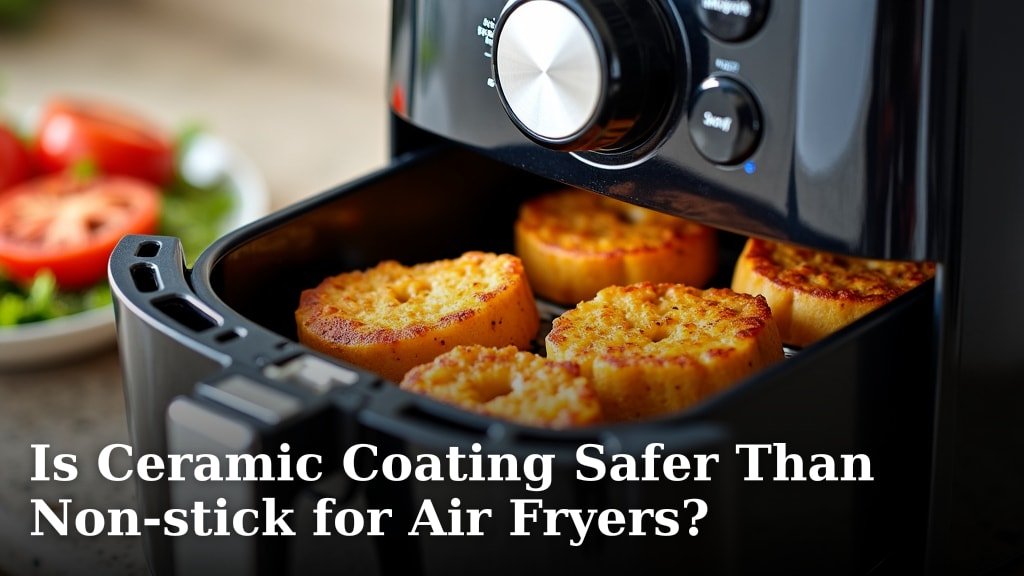
When choosing an air fryer, safety is top of mind for many. Generally speaking, both ceramic and non-stick coatings can be safe for your air fryer if used and cared for properly. However, research and consumer reports often lean towards ceramic coatings being a safer, more durable choice over traditional non-stick surfaces.
You might wonder if that slick surface is truly healthy. Traditional non-stick coatings can sometimes release fumes or flakes when overheated. Ceramic, often made from natural materials, is frequently praised for its non-toxic properties and resistance to high heat, making it a popular alternative for health-conscious cooks.
- Ceramic coatings are often considered safer than traditional non-stick.
- They are made from natural materials and are non-toxic.
- Ceramic is generally more durable and scratch-resistant.
- Traditional non-stick can degrade with high heat.
- Proper care is key for any air fryer coating.
Let’s break down the differences between ceramic and non-stick air fryer surfaces to help you make the best choice for your kitchen.
Comparing Air Fryer Coatings: Ceramic vs. Non-Stick
You’re probably wondering which air fryer coating is the safest bet for your family. It’s a great question to ask when you’re investing in a new kitchen appliance. Both ceramic and traditional non-stick coatings aim to make cooking and cleanup easier. However, research and user experiences often point to ceramic as the healthier and more durable option.
Understanding Traditional Non-Stick Coatings
Most non-stick pans and air fryer baskets use a synthetic polymer called polytetrafluoroethylene (PTFE). You might know it better by brand names like Teflon. This coating is excellent at preventing food from sticking. It allows you to cook with less oil, which aligns with the air fryer’s healthy-cooking appeal. But, this convenience comes with some potential drawbacks.
The Heat Factor with Non-Stick
Experts have raised concerns about PTFE when it gets too hot. According to the Environmental Protection Agency (EPA), PTFE can begin to break down at temperatures above 500°F (260°C). When this happens, it can release fumes. These fumes are generally not harmful to humans at normal cooking temperatures. However, inhaling them can cause flu-like symptoms, sometimes called “polymer fume fever.” This is more of a concern if you have pet birds, as these fumes can be toxic to them. For everyday air fryer use, this is less likely to be an issue, but it’s good to be aware of.
Degradation and Flaking
Over time and with repeated use, especially at high temperatures, non-stick coatings can degrade. This can lead to tiny flakes of the coating potentially ending up in your food. While swallowing a small flake is unlikely to cause harm, it’s not ideal. Many manufacturers recommend replacing non-stick cookware when the coating starts to look worn or scratched.
Exploring Ceramic Air Fryer Coatings
Ceramic coatings offer a different approach. These are typically made from silicon dioxide (silica), which is derived from sand. This natural material is then heated to create a durable, non-stick surface. Many manufacturers tout ceramic as being a “green” or eco-friendly option because it doesn’t involve the chemicals used in traditional non-stick coatings. It’s also generally free from PTFE and PFOA (perfluorooctanoic acid), a chemical that was previously used in PTFE production and has raised health concerns.
Heat Resistance of Ceramic
One of the biggest advantages of ceramic coatings is their ability to withstand high heat without breaking down. Unlike PTFE, ceramic is stable at much higher temperatures. This makes it a great choice for air fryers, which often operate at 400°F (204°C) or higher. You can feel more confident using your air fryer for those crispy fries or chicken wings without worrying about the coating degrading.
Durability and Scratch Resistance
Ceramic coatings are often praised for their toughness. They tend to be more scratch-resistant than traditional non-stick surfaces. This means you’re less likely to damage the coating accidentally with utensils or during cleaning. While not indestructible, a well-cared-for ceramic surface should last longer than its non-stick counterpart. We found that this durability contributes to its overall appeal for many home cooks.
Direct Comparison: Ceramic vs. Non-Stick
Let’s put it side-by-side. When we look at safety and performance, both have their pros and cons. However, the potential issues with high heat and degradation in traditional non-stick coatings make ceramic a more attractive option for many.
| Feature | Ceramic Coating | Traditional Non-Stick (PTFE) |
|---|---|---|
| Material Origin | Silica (from sand), natural materials | Polytetrafluoroethylene (PTFE), synthetic polymer |
| Heat Stability | Very high, stable at typical air fryer temps | Can break down above 500°F (260°C) |
| Chemical Concerns | Generally free from PTFE, PFOA | Contains PTFE; historically used PFOA |
| Durability | Good scratch resistance, generally durable | Can scratch easily, degrades with heat/time |
| Food Release | Excellent when new, may decrease over time | Excellent when new, degrades with wear |
| Environmental Impact | Often considered more eco-friendly | Manufacturing involves chemicals |
Which is Truly Safer?
Based on the available information, many experts suggest that ceramic coatings offer a safer profile for air fryers. This is primarily due to their natural origin and superior heat resistance. The risk of fume release or coating degradation at typical air fryer temperatures is significantly lower with ceramic. While traditional non-stick is safe for its intended use, ceramic provides an extra layer of confidence, especially if you tend to cook at higher temperatures or are concerned about chemical exposures (Mayo Clinic).
Caring for Your Air Fryer Coating
No matter which type of coating your air fryer has, proper care is essential. This helps maintain its non-stick properties and ensures its longevity. Treat your air fryer basket gently to keep the surface pristine. Think of it like caring for a good frying pan – a little attention goes a long way.
Tips for Non-Stick and Ceramic Care
Here’s how you can keep your air fryer basket in great shape:
- Avoid Metal Utensils: Always use silicone, wood, or plastic spatulas and tongs. Never use sharp metal objects that can scratch the surface.
- Hand Wash Recommended: While many are dishwasher safe, hand washing is gentler. Use a soft sponge or cloth and mild dish soap. Avoid abrasive scrubbers or steel wool.
- Don’t Overheat: Try not to preheat your air fryer empty for extended periods, especially on the highest settings, if you have a traditional non-stick coating.
- Allow to Cool: Let the basket cool down before washing. Plunging a hot basket into cold water can cause thermal shock and potentially damage the coating.
- Use Parchment or Liners Sparingly: Air fryer parchment liners or silicone mats can add an extra layer of protection. However, ensure they are designed for air fryers and don’t block the air circulation too much.
Making the Right Choice for Your Kitchen
When you’re weighing your options, consider what’s most important to you. If peace of mind regarding heat and non-toxic materials is your priority, a ceramic-coated air fryer is likely the better choice. Its durability also means it could be a more economical option in the long run, as you might not need to replace it as often.
A Quick Checklist for Your Decision
Here’s a simple rundown to help you decide:
- Prioritize natural materials? Go ceramic.
- Worry about high heat fumes? Choose ceramic.
- Want a more scratch-resistant surface? Ceramic often wins.
- Concerned about PTFE/PFOA? Ceramic is usually free from these.
- Looking for long-term durability? Ceramic tends to last longer.
- Ready for easier cleanup? Both offer great food release.
Ultimately, both types of coatings can serve you well if treated with care. But when you look at the science and the general consensus from consumer reports and health guidelines, ceramic emerges as the safer and more robust option for your air frying adventures.
Conclusion
When you’re choosing an air fryer, it’s smart to consider the coating. We found that while both ceramic and non-stick coatings work well, ceramic generally offers a safer experience. Its natural composition and superior heat resistance mean less worry about fumes or degradation. For lasting performance and peace of mind, especially if you cook at high temperatures, opt for a ceramic-coated air fryer. Treat it with care, and you’ll enjoy healthier meals for years to come!
Frequently Asked Questions
Are ceramic coatings truly non-stick over time?
Yes, ceramic coatings are designed to be non-stick, and they usually maintain this quality well. With proper care, like avoiding metal utensils and abrasive cleaners, you can expect excellent food release for a long time.
Can I use metal utensils with a ceramic air fryer basket?
It’s best to avoid metal utensils with any air fryer coating, including ceramic. While ceramic is more scratch-resistant than traditional non-stick, metal can still cause damage over time. Stick to silicone, wood, or plastic tools for longevity.
What are the main health concerns with traditional non-stick air fryers?
The primary concern with traditional non-stick (PTFE) is its potential to release fumes when overheated above 500°F (260°C). These fumes can cause flu-like symptoms in humans and are toxic to pet birds. Also, flaking of the coating over time is undesirable.
Is ceramic coating safe for my pets?
Yes, ceramic coatings are generally considered safe for pets. They are made from natural materials and do not release harmful fumes when overheated, unlike some traditional non-stick coatings which can be dangerous for birds.
How do I clean my ceramic air fryer basket effectively?
For best results, hand wash your ceramic air fryer basket with warm, soapy water and a soft sponge or cloth. Avoid harsh detergents, abrasive scrubbers, or steel wool. Allow the basket to cool completely before washing to prevent thermal shock.
