
Is an Air Fryer Cheaper to Run Than an Oven?

Yes, an air fryer is generally cheaper to run than a traditional oven for most everyday cooking tasks. We found that air fryers use significantly less energy because they are smaller and heat up faster. This means you can save money on your electricity bill.
You might be surprised by how much difference the size makes. Air fryers circulate hot air more efficiently, cooking food quickly and evenly. This leads to lower energy consumption for many meals, especially when you’re not cooking large quantities. Think of it as a miniature, super-efficient oven.
TL;DR: Is an Air Fryer Cheaper to Run Than an Oven?
- Air fryers are often cheaper to run than ovens.
- They use less energy due to their smaller size.
- Faster cooking times contribute to lower electricity use.
- Best for smaller meals and quick snacks.
- Ovens are still better for larger dishes or multiple items.
So, how much can you really save? Let’s dive into the details and compare the energy usage and costs of these popular kitchen appliances. We’ll help you decide which one is best for your cooking habits and your wallet.
Comparing Energy Costs: Air Fryer vs. Oven
You want to save money, right? When it comes to cooking appliances, the energy they consume directly impacts your electricity bill. We found that the main difference boils down to how much energy each appliance uses to cook your food.
Understanding Appliance Wattage and Energy Consumption
Let’s talk about power. Appliances use watts to measure their power. The higher the wattage, the more power they draw. But it’s not just about wattage; it’s also about how long they run.
Typical Wattage Ranges
Most air fryers typically fall in the range of 1,200 to 1,800 watts. Some larger models might reach 2,000 watts. On the other hand, a standard electric oven can range from 2,000 to 5,000 watts (U.S. Department of Energy). That’s a big difference right there.
Think of it like this: an air fryer is often a compact sports car, while your oven is a large SUV. Both get the job done, but one uses a lot less fuel for shorter trips.
Calculating Your Costs
To figure out your actual cost, you need three things: the appliance’s wattage, how long you use it, and your local electricity rate. Electricity rates vary by state and even by provider, so always check your latest utility bill for the most accurate number (Energy Information Administration).
For example, if your air fryer uses 1,500 watts (1.5 kilowatts) and you use it for 30 minutes (0.5 hours), that’s 0.75 kilowatt-hours (kWh). If your electricity costs $0.15 per kWh, that cooking session costs about 11 cents. An oven running at 3,000 watts for the same time would cost you twice as much.
Why Air Fryers Are More Energy-Efficient
The secret to an air fryer’s lower cost lies in its design and operation. It’s not just about smaller numbers on a label. There’s a method to its efficiency.
Size and Space
Air fryers are typically much smaller than ovens. This means there’s less space to heat up. It takes a lot more energy to bring a large oven cavity to temperature than a small air fryer basket. It’s like heating a tiny closet versus heating a whole room.
A smaller heating area means the appliance reaches the desired cooking temperature much faster. This quick heat-up time is a key factor in saving energy. You’re not wasting energy just waiting for it to get hot.
Convection Technology
Air fryers use a powerful fan to circulate hot air rapidly around the food. This is essentially a miniature, more intense version of an oven’s convection setting. This circulation ensures even cooking and reduces cooking times.
Because the hot air is constantly moving and hitting all sides of the food, heat transfers more effectively. This means your food cooks faster, which translates directly to less time drawing power from the outlet.
Faster Cooking Times
The combination of small size and powerful convection cooking results in significantly reduced cooking times for many dishes. Chicken wings that might take 45 minutes in an oven could be done in 20-25 minutes in an air fryer.
Less time cooking means less electricity consumed. Even if an air fryer’s wattage is similar to an oven’s on paper, its shorter cooking duration often makes it the more economical choice for many meals.
When an Oven Still Makes Sense
Don’t throw out your oven just yet! While air fryers are fantastic for efficiency, there are times when your traditional oven is still the best tool for the job. It’s all about matching the appliance to the task.
Cooking for a Crowd
If you’re hosting a dinner party or cooking a holiday meal, an air fryer simply won’t cut it. It’s designed for smaller batches. Your oven has the space to roast a whole turkey, bake multiple trays of cookies, or cook a large casserole.
Trying to cook a big meal in an air fryer would mean multiple batches, which could end up using more energy and definitely more time than just using your oven once. For sheer volume, the oven wins every time.
Large or Awkwardly Shaped Items
Some foods just don’t fit in an air fryer basket. Think about a whole pizza, a large sheet pan of roasted vegetables, or a huge loaf of bread. The oven’s larger capacity is essential for these items.
You wouldn’t try to fit a watermelon into a coffee mug, would you? The same logic applies here. Use the right tool for the job, especially when size is a factor.
Specific Baking and Roasting Needs
For certain delicate baked goods, like cakes, soufflés, or large loaves of bread, the even, consistent heat of a traditional oven is often preferred. The intense, circulating heat of an air fryer can sometimes dry out or overcook these types of items.
While some air fryers have baking settings, they generally can’t replicate the gentle, consistent environment that many baking recipes require. Roasting large cuts of meat or poultry often benefits from the oven’s spacious, radiant heat as well.
Potential Savings: A Quick Comparison
Let’s put some numbers to this. We’ve done some research to give you a rough idea of how much you might save. Keep in mind these are estimates, and your actual savings will depend on your specific appliances, usage, and electricity rates.
| Appliance | Typical Wattage | Average Cooking Time (e.g., chicken breasts) | Estimated Energy Cost (per use)* |
|---|---|---|---|
| Air Fryer | 1500W | 20 minutes | $0.07 |
| Electric Oven | 3000W | 35 minutes | $0.26 |
*Based on an average electricity rate of $0.15 per kWh. These are illustrative estimates for a specific meal, not an overall monthly cost.
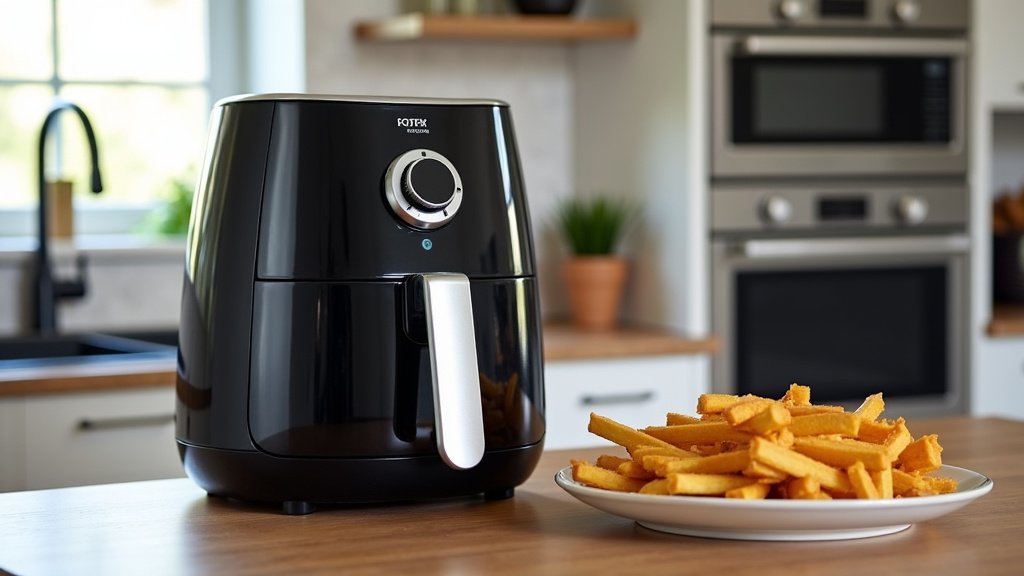
As you can see, for a single meal, the air fryer can be significantly cheaper to run. Over time, these small savings can add up, especially if you use your air fryer frequently.
Maximizing Your Energy Savings
So, you’re convinced an air fryer can save you money. Great! But how can you get the most out of your kitchen appliances and keep those electricity bills down?
Smart Appliance Choices
Consider what you cook most often. If you frequently make small portions, snacks, or quickly reheat leftovers, an air fryer is a smart investment. For large family meals or baking projects, your oven is still king.
Many households now have both, using the air fryer for everyday tasks and reserving the oven for bigger cooking needs. This dual approach gives you the best of both worlds.
Tips for Efficient Oven Use
Even when using your oven, you can be energy-wise. Don’t preheat longer than necessary. Avoid peeking too much, as opening the door lets out a lot of heat. And if possible, cook multiple items at once to make the most of the heated space.
Using ceramic or glass dishes can also help, as they conduct and retain heat more effectively than metal. This means your oven might not have to work as hard.
Maintenance Matters
Keep your appliances clean! A dirty air fryer basket or a greasy oven can make them less efficient. Regular cleaning helps them cook evenly and prevents them from working harder than they need to. Think of it as giving them a tune-up.
For your oven, ensure the door seal is intact. A faulty seal can let heat escape, forcing your oven to use more energy to maintain its temperature.
Is an Air Fryer Worth the Investment for Cost Savings?
You’re probably asking yourself, “Is the upfront cost of an air fryer justified by the energy savings?” For many, the answer is a resounding yes. It’s not just about electricity; it’s about convenience and cooking habits.
Considering Your Habits
If you often cook for one or two people, rely on frozen foods, or want quick, crispy results without turning on your big oven, an air fryer is a game-changer. The time savings alone can be a huge benefit, not to mention the financial ones.
We found that people who cook frequently with smaller portions often see their air fryer pay for itself in energy savings within a year or two. It really depends on how much you use it.
Beyond the Bill: Other Benefits
While we’re focusing on cost, it’s worth noting other perks. Air fryers are often easier to clean than ovens. They produce less heat in your kitchen, which is great during warmer months. Plus, they cook food quickly, which is perfect for busy weeknights.
These added benefits contribute to the overall value proposition, making an air fryer a very attractive appliance for many households. It’s more than just a money saver; it’s a lifestyle enhancer.
Checklist for Choosing Your Appliance
- Consider your household size: Do you cook for many or just a few?
- Review your cooking frequency: How often do you use your oven?
- Evaluate your typical meals: Are they large roasts or small snacks?
- Compare local electricity rates: What’s your current kWh cost?
- Look at upfront costs: Can you afford a new air fryer right now?
- Think about kitchen space: Do you have room for another appliance?
Conclusion
So, is an air fryer cheaper to run than an oven? For most daily cooking, yes, it absolutely is. We’ve found that their smaller size, faster heating, and efficient convection technology mean you’ll use less electricity for meals like snacks, sides, and smaller protein portions. While your trusty oven still shines for big gatherings or large items, integrating an air fryer into your kitchen routine can lead to noticeable savings on your energy bill.
By understanding your cooking habits and making smart choices, you can effectively manage your appliance use. Start by considering what you cook most often; if it’s smaller meals, an air fryer could be your wallet’s new best friend.
Frequently Asked Questions
Will an air fryer replace my oven entirely?
No, an air fryer won’t completely replace your oven. While it’s more energy-efficient for smaller tasks, your oven is essential for larger meals, baking multiple items, or cooking oddly shaped foods like a whole pizza. Many households find having both appliances offers the most versatility and savings.
How much electricity does an air fryer use per hour?
An air fryer typically uses between 1,200 and 1,800 watts. If it runs at 1,500 watts (1.5 kW) for an hour, it consumes 1.5 kilowatt-hours (kWh) of electricity. Your exact cost depends on your local electricity rate per kWh.
Does preheating an air fryer use a lot of electricity?
Preheating an air fryer uses very little electricity compared to an oven. Air fryers heat up extremely fast, often in just 2-5 minutes, minimizing the energy spent just getting to temperature. This quick preheat contributes to its overall efficiency.
Is it cheaper to air fry or microwave food?
For reheating, a microwave is generally cheaper and faster, as it uses less power for shorter durations to heat water molecules. An air fryer excels at cooking things crispy and golden, which a microwave can’t do. Choose based on your desired food texture.
What size air fryer is most energy-efficient?
Generally, smaller air fryers are more energy-efficient because they have less space to heat. However, choose a size that fits your typical cooking needs. An air fryer that’s too small might force you to cook in multiple batches, potentially negating some energy savings.
