
How to Reheat Leftover Pizza without a Microwave?
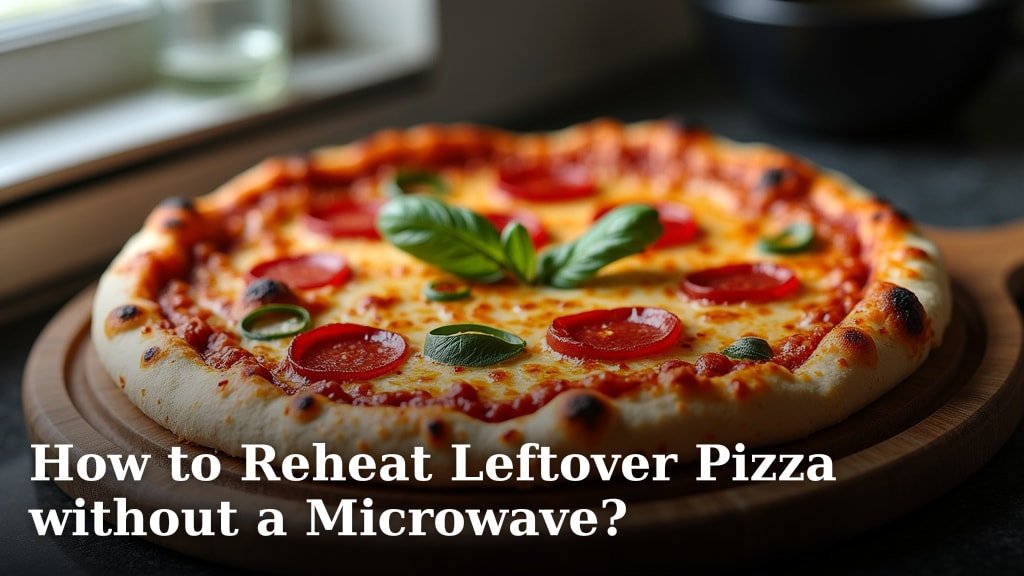
Yes, you can absolutely reheat leftover pizza without a microwave! In fact, many people find that reheating pizza in a pan or oven makes it taste even better than the microwave ever could. You can achieve a wonderfully crispy crust and perfectly melted cheese by using a few simple stovetop or oven methods.
Tired of soggy, unevenly heated pizza slices? We get it. That rubbery cheese and limp crust can be a real disappointment. Fortunately, there are several reliable ways to bring your pizza back to life, making it almost as good as fresh. These methods focus on reviving the texture and flavor without any microwave mishaps.
- Pan-frying for a crispy bottom.
- Baking in the oven for even heating.
- Using an air fryer for quick results.
- Avoid the microwave for the best texture.
Let’s walk through the best ways to reheat your leftover pizza so you can enjoy every delicious bite, one perfect slice at a time.
Reviving Leftover Pizza: Your Guide to a Crispy Crust
So, your pizza craving has struck again, but the thought of microwaved leftovers makes you shudder? We’ve all been there. That microwave often turns a delicious slice into a sad, soggy mess. But don’t despair! You can achieve perfectly reheated pizza that rivals the original. The secret is using methods that focus on moisture evaporation and gentle heat. This brings back that delightful crispness to your crust and melts the cheese just right.
Forget the rubbery cheese and limp dough. We’re going to explore techniques that restore texture and flavor. These methods are simple and won’t take much longer than that frustrating microwave zap. You’ll be enjoying a revitalized slice in no time. Let’s dive into how you can rescue your leftover pizza.
The Art of Pan-Frying Your Pizza
When it comes to reheating pizza, the stovetop pan method is a real game-changer. It’s often considered the best way to get that wonderfully crispy bottom crust. This technique works by heating the pizza from below, allowing excess moisture to escape. The result is a crust that’s delightfully chewy on the inside and satisfyingly crisp on the outside. It’s like giving your pizza a second life.
This method is incredibly effective for most types of pizza. Whether you have a thin crust or a thicker Sicilian slice, the pan can handle it. You’ll find it’s quite forgiving and doesn’t require fancy equipment. Just a skillet and your stove are all you need to transform those leftovers.
Steps to Pan-Frying Perfection
Ready to get started? It’s surprisingly straightforward. The key is to control the heat and add a touch of moisture strategically. This isn’t about deep-frying your pizza; it’s about gentle coaxing back to its former glory. Let’s break down the process so you can achieve that perfect crisp.
First, grab a non-stick skillet or a well-seasoned cast-iron pan. You want something that heats evenly. Place your cold pizza slices directly into the pan. We usually recommend starting with one or two slices at a time. This ensures they fit comfortably and heat evenly without crowding.
Next, turn the heat to medium-low. You don’t want a scorching hot pan, or you’ll burn the crust before the cheese melts. Let the pizza cook for about 2-3 minutes. You’re looking for the bottom crust to start getting golden brown and firm. It’s a visual cue that things are progressing nicely.
Now for the secret weapon: a tiny bit of water. Once the crust looks good, carefully add about a teaspoon of water to the pan. Be cautious, as it will steam up quickly. Immediately cover the pan with a lid. This traps the steam. The steam will gently heat the toppings and melt the cheese. It also helps to soften any parts of the crust that might be getting too crispy.
Let it steam for another 2-3 minutes. You’ll see the cheese start to melt beautifully. Keep an eye on it to prevent overcooking. Once the cheese is gooey and the crust is exactly how you like it, carefully slide your pizza onto a plate. It’s ready to be devoured!
Tips for Pan-Frying Success
While the basic method is simple, a few extra tips can make your pan-fried pizza even better. Think of these as polish to an already great technique. They’re small tweaks that yield significant results.
- Use the right pan: A non-stick pan is easiest for beginners. Cast iron works wonderfully too, but ensure it’s well-seasoned to prevent sticking.
- Control the heat: Medium-low heat is your friend. Too high, and you’ll have a burnt bottom and cold top. Too low, and it takes too long.
- Don’t overcrowd the pan: Cook slices one or two at a time. This ensures even heating and crisping.
- A touch of oil? Some people like to add a tiny bit of oil (like olive oil) to the pan before adding the pizza. This can enhance crispiness, but it’s optional. We found it adds a nice touch.
- Experiment with toppings: If you want to add fresh toppings like basil after reheating, now’s the time!
The Oven Method: For Even Heating
If you have multiple slices or prefer a more hands-off approach, the oven is your next best bet. Reheating pizza in the oven provides consistent heat all around the slice. This is fantastic for ensuring that the toppings and cheese are heated through evenly. It also gives you a chance to re-crisp the crust without needing to stand over the stove.
This method is ideal if you’re reheating a whole pizza box’s worth. It’s less hands-on than the pan method. You can set it and forget it for a few minutes. Plus, the dry heat of the oven is excellent for re-crisping the dough. You’ll get a texture that’s far superior to microwave results.
Oven Reheating Instructions
Preheating your oven is key here. Like baking a fresh pizza, a hot oven works best. We recommend preheating your oven to around 350°F (175°C). This temperature is hot enough to reheat and crisp without burning.
You have a couple of options for placing your pizza. You can place the slices directly on the oven rack. This allows for maximum air circulation, which helps crisp the crust all around. For easier cleanup and to prevent small bits from falling through, you can place the slices on a baking sheet. Lining the baking sheet with parchment paper or foil makes cleanup even simpler.
Arrange the slices in a single layer on the rack or baking sheet. Make sure they aren’t touching each other. This ensures hot air can circulate freely around each slice. Let them bake for about 5-10 minutes. The exact time will depend on your oven and the thickness of your pizza.
Keep an eye on your pizza as it heats. You’re looking for the cheese to be melted and bubbly, and the crust to be firm and slightly crisp. Some people like to place a small, oven-safe ramekin with a few drops of water on the bottom rack. This can add a touch of steam to help melt the cheese, but be careful not to make the crust soggy.
Once your pizza looks and feels perfectly reheated, carefully remove it from the oven. Let it cool for just a minute before you dig in. This method delivers a satisfyingly evenly heated slice with a good crust.
Why the Oven Works So Well
The oven’s dry heat is incredibly effective at reviving pizza. Unlike a microwave, which uses radiation to heat water molecules, an oven uses convection and radiation to heat the food’s surface. This process helps to drive off excess moisture from the crust, restoring its crispiness. Many culinary resources suggest that dry heat is essential for crisp textures.
Think about how bread gets stale: it loses moisture. Reheating in a microwave adds moisture back. An oven, however, can evaporate that excess moisture. This reverses the staleness and brings back a satisfying crunch. It’s a science you can taste!
Air Fryer Pizza Revival
The air fryer has become a kitchen superhero for reheating leftovers. It’s quick, efficient, and delivers fantastic results. If you have an air fryer, this is a fantastic option for crispy pizza. It mimics the effect of a convection oven but on a smaller, faster scale.
The circulating hot air in an air fryer is perfect for reheating pizza. It crisps the crust while melting the cheese. You get a hot, delicious slice in just a few minutes. It’s often faster than using a conventional oven and much better than a microwave.
Air Fryer Reheating Steps
Preheating your air fryer is generally recommended. Set it to around 350°F (175°C) for about 3-5 minutes. This ensures the air fryer is at the optimal temperature when you add your pizza.
Place one or two slices of pizza in the air fryer basket. Don’t stack them or overcrowd the basket. You want the hot air to circulate freely around each slice for even heating and crisping.
Air fry the pizza for about 3-5 minutes. The exact time will vary depending on your air fryer model and the thickness of the pizza. Keep an eye on it. You’re looking for the cheese to be melted and bubbly and the crust to be heated through and crispy.
If your pizza isn’t quite there after the first few minutes, give it another minute or two. It’s better to reheat in short increments to avoid burning. Once it’s perfect, carefully remove the slices from the basket. Enjoy your revitalized pizza!
Why Air Fryers Excel at This
Air fryers work by circulating hot air at high speed. This creates a convection effect that’s very efficient at crisping food. For pizza, this means the crust gets a lovely crunch, and the toppings heat up quickly. It’s similar to a pizza oven’s effect, but on a much smaller scale.
The dry heat and fast circulation are key. They help evaporate surface moisture without overcooking the interior. This is precisely what you want for leftover pizza. It’s a modern solution for an age-old problem!
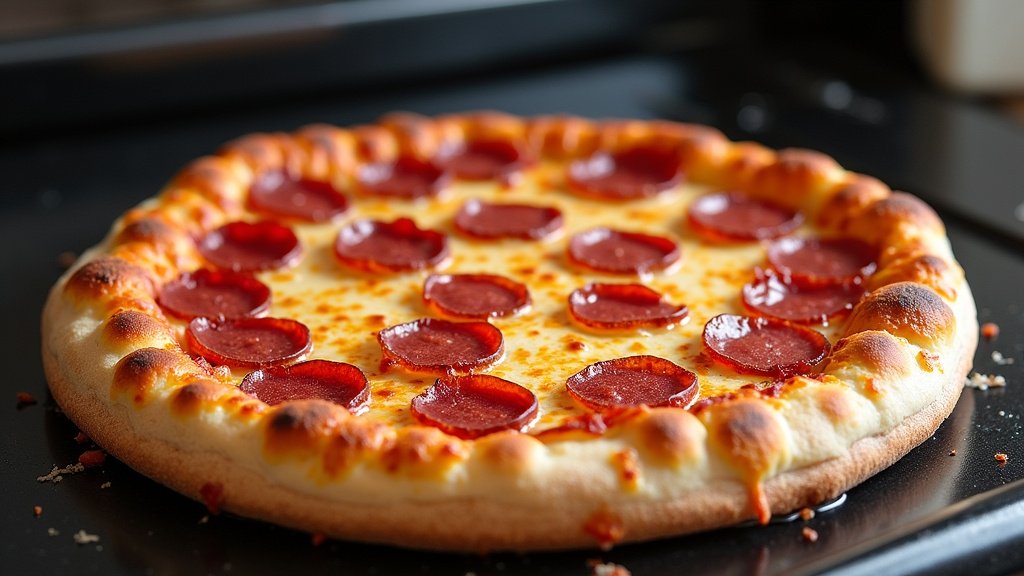
What to Avoid When Reheating Pizza
While we’ve covered great methods, it’s also important to know what not to do. The biggest culprit, as we’ve mentioned, is the microwave. While convenient, it fundamentally changes the texture of pizza in a way that’s often undesirable.
Microwaves heat food by agitating water molecules. This process can make the crust chewy and rubbery. It also tends to make the cheese tough or greasy. If you’ve ever pulled a slice from the microwave and regretted it, you know what we mean.
Another pitfall is reheating at too high a temperature for too long. Whether in the oven, pan, or air fryer, you risk burning the crust or overcooking the toppings. The goal is to gently reheat and re-crisp, not to cook it again from scratch.
Microwave Mishaps Explained
The science behind microwave heating is simple: energy is directed at water. Pizza, with its sauce, cheese, and dough, contains plenty of water. The microwave energy excites these water molecules, causing them to heat up rapidly.
This rapid heating can lead to uneven temperatures. Some parts might be scalding hot while others remain cool. More importantly, it can break down the gluten structure in the dough in a way that results in a soft, gummy texture. Many food science articles explain this phenomenon of microwave-induced texture changes.
Additionally, the rapid steaming effect can make the toppings greasy. The cheese can separate, and the sauce might become watery. It’s a far cry from the delightful texture of freshly baked pizza. This is why we strongly advise against it if crispiness is your goal.
Temperature and Time Pitfalls
When using the oven, pan, or air fryer, finding the right balance of temperature and time is essential. Think of it like warming up a delicate item. You want it to get just right, not overdone.
A common mistake is using the same temperature you’d use to cook raw dough. Leftover pizza is already cooked. You’re just looking to revive it. High heat can quickly burn the already-cooked crust before the cheese has a chance to melt properly. Always aim for moderate heat and check frequently.
Patience is also key. While these methods are faster than cooking from scratch, they still require a few minutes. Rushing the process by cranking up the heat might seem efficient but often leads to disappointing results. We found that sticking to the recommended temperatures and times, and checking progress, yields the best outcome.
Quick Comparison of Reheating Methods
To help you decide which method is best for your situation, here’s a quick comparison. Each method has its strengths, and the best choice often depends on how many slices you have and what equipment you prefer.
| Method | Best For | Pros | Cons | Typical Time |
|---|---|---|---|---|
| Pan-Frying | 1-2 Slices | Very crispy bottom crust, fast for small amounts | Requires stovetop attention, can be messy | 5-8 minutes |
| Oven | Multiple Slices or Whole Pizza | Even heating, great for re-crisping, hands-off | Requires oven preheating, takes longer | 7-12 minutes |
| Air Fryer | 1-3 Slices | Very fast, excellent crisp
ConclusionYou’ve learned that ditching the microwave for leftover pizza is a fantastic choice. You can achieve a perfectly crispy crust and gooey cheese using simple methods like pan-frying, the oven, or an air fryer. These techniques bring your pizza back to life, making it almost as good as when it was fresh. Don’t settle for soggy slices ever again! The next time you have leftover pizza, choose one of these methods. Try pan-frying for a quick, single-slice revival or use the oven for a family-sized reheat. You’ll be enjoying delicious, revitalized pizza in no time. Your taste buds will thank you! Frequently Asked QuestionsCan I reheat thick-crust pizza without it getting soggy?Yes, you absolutely can! The oven or air fryer methods are excellent for thick-crust pizza. They provide dry, consistent heat that crisps up the dough without making it soggy. Just be sure to give it enough time to heat through. What’s the best way to reheat a slice with lots of toppings?For pizzas with many toppings, the oven method is often best. It heats everything evenly, allowing the cheese to melt and toppings to warm through without burning. The pan method can work, but be extra careful not to burn the crust while waiting for the toppings to heat. How do I prevent my reheated pizza from tasting like yesterday’s?The key is to focus on reviving the textures. Proper reheating methods aim to re-crisp the crust and melt the cheese. Avoid the microwave, which steams the pizza and makes it soft. Using moderate heat in a pan, oven, or air fryer helps maintain that fresh-pizza quality. Is it safe to reheat pizza multiple times?It’s generally safe to reheat pizza once or twice, provided it has been stored properly in the refrigerator. However, reheating it too many times can degrade the texture and flavor, and increase the risk of bacterial growth if not handled correctly. Stick to reheating what you plan to eat. Can I add fresh toppings after reheating pizza?Absolutely! This is a great way to enhance your reheated pizza. You can add fresh basil, a sprinkle of red pepper flakes, or even some extra cheese right after reheating. Just add them to the hot pizza so they warm up slightly or add them as a fresh garnish. |
