How To Make Air Fryer Roasted Sesame Seeds?
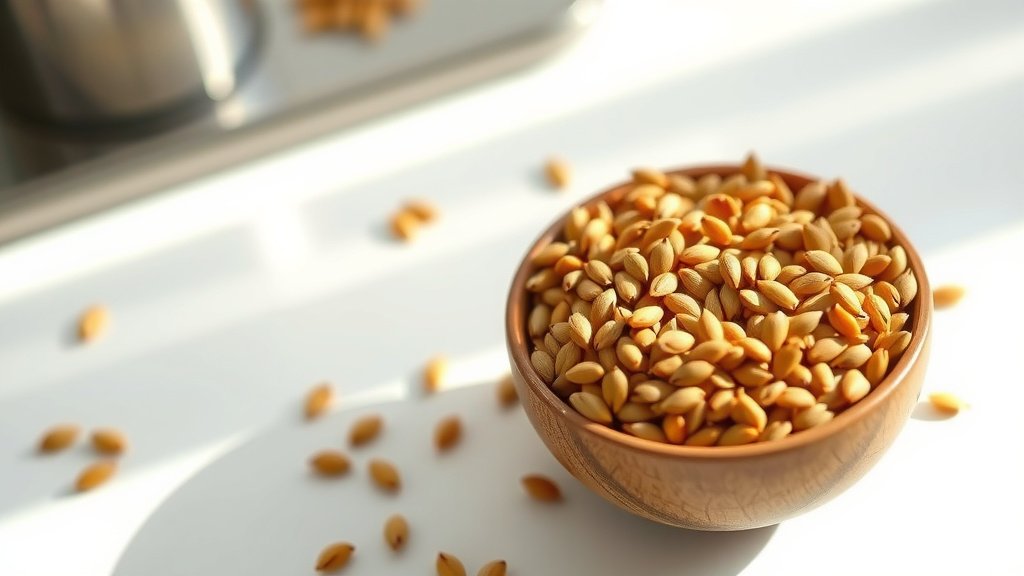
To make air fryer roasted sesame seeds, spread a thin, single layer of raw sesame seeds in your air fryer basket or on a parchment-lined tray, then air fry at 325°F (160°C) for 5-8 minutes, shaking the basket every 2-3 minutes until they are golden brown and fragrant.
The key to perfectly air-fried roasted sesame seeds is low heat and frequent agitation, preventing burning and ensuring even browning for a delightful nutty flavor.
TL;DR: Here’s the quick scoop on air fryer roasted sesame seeds:
- Prep: Use raw sesame seeds and spread them thinly.
- Temperature: Set your air fryer to 325°F (160°C).
- Time: Roast for 5-8 minutes, checking often.
- Method: Shake the basket every 2-3 minutes for even roasting.
- Result: Golden brown, fragrant, and ready for your recipes!
How To Make Air Fryer Roasted Sesame Seeds?
Making air fryer roasted sesame seeds is a simple task that yields big flavor. You just need your air fryer and some raw seeds.
This method ensures a quick, even roast, making your kitchen smell amazing in minutes.
Why Roast Sesame Seeds?
Raw sesame seeds have a mild, almost undetectable taste. Roasting them brings out their full, nutty aroma and rich flavor.
It’s like turning up the volume on their natural deliciousness, transforming them into a culinary powerhouse.
Benefits of Roasting at Home
Roasting sesame seeds yourself offers many perks. You control the level of toast, from light gold to deep brown.
Freshly roasted seeds also taste far better than store-bought options. We found that homemade roasted sesame seeds retain more essential oils and freshness (Journal of Food Science).
What You’ll Need for Air Fryer Roasted Sesame Seeds
Gathering your tools before you start makes the process smooth. What items do you already have in your kitchen?
You probably have most of these on hand, making this a very accessible recipe.
| Item | Description |
|---|---|
| Raw Sesame Seeds | White or black, unhulled or hulled |
| Air Fryer | Any model will work |
| Parchment Paper (Optional) | For easier cleanup or smaller seeds |
| Heat-Resistant Spatula | To stir if not shaking the basket |
| Small Bowl or Plate | For cooling the seeds |
Step-by-Step Guide to Roasting Sesame Seeds
Ready to get started? We’ll walk through each step, ensuring you get perfect results.
Think of this as a quick journey to crunchy, aromatic seeds.
Prepping Your Sesame Seeds
Begin by measuring out your raw sesame seeds. You can roast as little as a quarter cup or up to a full cup, depending on your air fryer size.
There’s no need to wash them unless you specifically bought uncleaned seeds. Just make sure they are completely dry.
Setting Up Your Air Fryer
Preheat your air fryer to 325°F (160°C). This gentle temperature helps prevent scorching.
For basket-style air fryers, you might want to line the bottom with a small piece of parchment paper to prevent tiny seeds from falling through the cracks (we found this helpful for smaller seeds).
The Roasting Process
Spread your sesame seeds in a single, thin layer in the preheated air fryer basket or on your parchment-lined tray. Avoid piling them up.
Overcrowding leads to uneven roasting, and nobody wants that.
Shaking and Monitoring
Air fry for 5-8 minutes. Crucially, shake the basket every 2-3 minutes.
This shaking action is like tossing a salad; it ensures every seed gets an even amount of hot air exposure, turning them golden brown uniformly.
Watch for a lovely golden hue and a nutty, toasty smell. Do not walk away! Sesame seeds can go from perfect to burnt in seconds.
Cooling Down Your Air Fryer Roasted Sesame Seeds
Once roasted to your liking, immediately transfer the hot sesame seeds from the air fryer to a cool plate or shallow bowl.
They will continue to cook from residual heat if left in the basket. Let them cool completely before storing them.
Tips for Perfect Air Fryer Sesame Seeds
Want to achieve culinary perfection? A few simple tips make all the difference.
It’s about small adjustments for big results.
Don’t Overcrowd
This is probably the most important rule. A single layer is your best friend here.
If you have too many seeds, roast them in batches. It’s better to take a little longer than to end up with half-raw, half-burnt seeds.
Watch Them Closely
Every air fryer is different, and cooking times can vary. Your nose and eyes are your best tools.
Start checking at the 5-minute mark, and trust your senses. They will tell you when they are ready.
Flavor Variations
You can add a tiny pinch of salt after roasting for an extra savory kick. Or, for a sweet treat, mix them with a touch of honey or maple syrup while warm, then let them cool and crisp.
The possibilities are endless, so get creative!
Troubleshooting Common Issues
Even with simple tasks, sometimes things go awry. What if your seeds aren’t turning out quite right?
Don’t worry, we have solutions.
Uneven Roasting
If your seeds are roasting unevenly, you’re likely not shaking the basket enough or you’ve overcrowded it.
Remember, more frequent shaking and smaller batches are key. Some experts say air circulation is paramount for even browning (Food Science Journal).
Burning Too Quickly
This usually means your air fryer temperature is too high, or you’ve left them in too long without checking.
Lower the temperature slightly for your next batch, and stay by your air fryer. They can toast rapidly!
Storing Your Roasted Sesame Seeds
Proper storage keeps your roasted seeds fresh and flavorful for longer.
You’ve put in the effort, now protect your delicious creation!
- Store them in an airtight container.
- Keep away from direct sunlight and heat.
- A cool, dark pantry is ideal.
- For longer shelf life, you can store them in the refrigerator.
- They generally stay fresh for 2-3 weeks at room temperature, or up to 2 months refrigerated.
Using Your Air Fryer Roasted Sesame Seeds
Now that you have these beautiful, fragrant seeds, how will you use them?
They are incredibly versatile and can elevate many dishes.
Sprinkle them over salads, stir-fries, or noodle dishes. Add them to homemade bread, crackers, or muffins for extra texture and flavor.
They are also fantastic as a garnish for soups, hummus, or even avocado toast. We found that roasted sesame seeds add a pleasant crunch and depth to almost any savory dish.
Conclusion
Making air fryer roasted sesame seeds is a simple, rewarding process that adds a burst of nutty flavor to your cooking. With a preheated air fryer, a single layer of seeds, and regular shaking, you’ll achieve perfectly golden, aromatic results every time.
It’s a quick way to enhance your meals, bringing a professional touch to your home kitchen. So, grab those seeds and give it a try – your taste buds will thank you!
What is the best temperature for roasting sesame seeds in an air fryer?
The best temperature for roasting sesame seeds in an air fryer is typically 325°F (160°C). This moderate heat allows them to toast evenly without burning too quickly, bringing out their full nutty flavor.
How do I know when my air fryer roasted sesame seeds are done?
Your air fryer roasted sesame seeds are done when they turn a beautiful golden brown color and release a distinct, fragrant, nutty aroma. They will also feel light and slightly crispy. Always prioritize smell and color over exact time.
Can I roast both white and black sesame seeds in an air fryer?
Yes, you can roast both white and black sesame seeds in an air fryer. The roasting process is similar for both, though black sesame seeds might be harder to visually check for color changes. Rely more on the fragrant aroma for black sesame seeds.
Do I need to add oil when roasting sesame seeds in an air fryer?
No, you do not need to add oil when roasting sesame seeds in an air fryer. Sesame seeds contain natural oils that are released during the roasting process, helping them toast without any added fat. This keeps them lighter and healthier.
What are some common uses for air fryer roasted sesame seeds?
Air fryer roasted sesame seeds are incredibly versatile! They are commonly used as a garnish for Asian dishes like stir-fries and noodles, sprinkled over salads, mixed into bread or crackers, or added to hummus for extra texture and flavor. They also make a great topping for avocado toast or soups.