
How to Line an Air Fryer Basket?
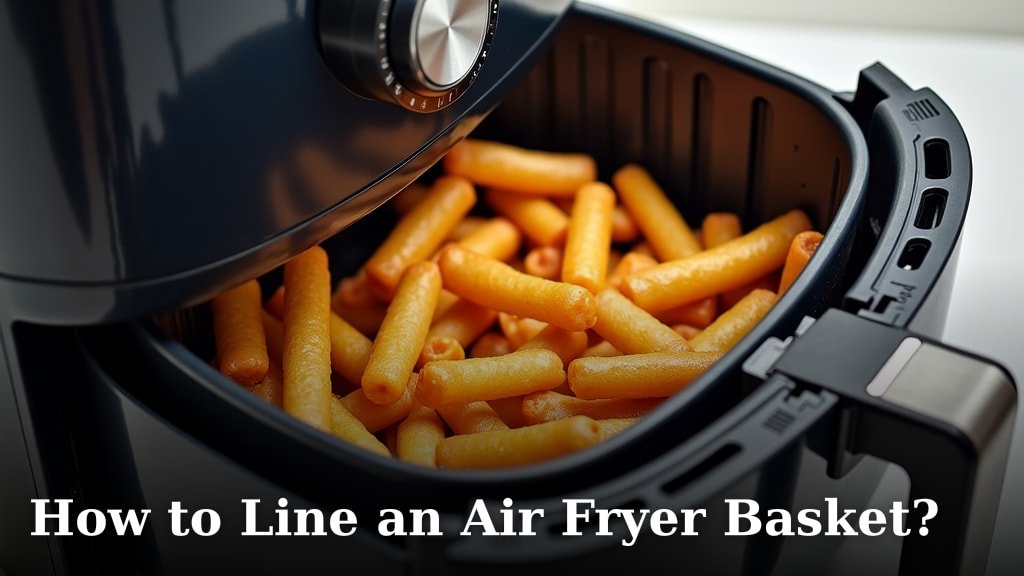
To line an air fryer basket, you can use parchment paper, silicone liners, or aluminum foil. We found that the best option depends on your specific needs and what you’re cooking. Liners help with cleanup and protect your air fryer.
You want to protect your air fryer from messes, right? We understand. Lining your basket can prevent food from sticking and keep tiny bits from falling through the grates. This also makes cleaning much easier, saving you time and effort.
- Choose the right liner for your food.
- Ensure proper airflow around the liner.
- Avoid preheating with an empty liner.
- Trim paper and foil to fit perfectly.
- Never block all the air vents.
Let’s walk through the different methods for lining your air fryer basket and find the perfect solution for you.
Methods for Lining Your Air Fryer Basket
Lining your air fryer basket can make cooking and cleanup easier. You have a few main options: parchment paper, silicone liners, or aluminum foil. We’ll explore each one so you can choose the best fit.
Parchment Paper: The Popular Choice
Parchment paper is a very common and effective liner for air fryers. It’s affordable, disposable, and helps prevent food from sticking. It’s often found in your local grocery store.
Why Use Parchment Paper?
Parchment paper is great for foods that might stick, like breaded items or delicate fish. It creates a non-stick surface that keeps your air fryer basket cleaner. Many home cooks use it for baking desserts, too.
How to Use Parchment Paper Safely
When using parchment paper, always put food on it before cooking. If you preheat your air fryer with an empty piece of parchment, it can fly up and hit the heating element. This is a fire hazard (Consumer Reports).
Make sure the parchment paper doesn’t block the air circulation. Trim it to fit the bottom of your basket, leaving space around the edges. This allows hot air to move freely, which is key to air frying.
We found that specific air fryer parchment liners with holes already punched are best. These are designed to allow proper airflow. If you use regular parchment, you can punch your own holes with a hole puncher or scissors.
Silicone Liners: Reusable and Convenient
Silicone liners are durable, reusable, and a good eco-friendly option. They come in various shapes and sizes, often specifically designed for air fryers. You can wash them and use them again and again.
Benefits of Silicone Liners
One major benefit of silicone liners is their reusability. This means less waste and potential cost savings over time compared to disposable options. They are also heat-resistant and usually dishwasher safe, making cleanup simple.
Silicone liners also provide a good non-stick surface. They can help prevent smaller food pieces from falling through the basket grates. Think of cooking fries or vegetables — no more lost bits!
Using Silicone Liners Properly
When using a silicone liner, make sure it fits well in your basket. Don’t let it bunch up or block too many air vents. Air circulation is vital for crispy results in your air fryer.
Just like parchment paper, it’s best to put food on your silicone liner before starting the air fryer. An empty liner could potentially shift or interfere with heating. Some silicone liners have raised ridges or holes to encourage airflow. If yours doesn’t, ensure there’s still room for air to move.
Aluminum Foil: A Quick Fix
Aluminum foil is a common household item that can work as an air fryer liner in a pinch. It’s versatile and can be shaped to fit different baskets. However, it’s not always the best option.
Pros and Cons of Aluminum Foil
Aluminum foil is extremely convenient. You probably already have it. It’s great for wrapping food to cook or keeping it moist. It can also catch drips, helping to keep your basket clean.
However, there are some important considerations. Aluminum foil can sometimes affect how your food cooks. It can block direct heat from reaching certain parts of the food. This might lead to less crispy results, especially on the underside.
Also, avoid acidic foods like tomatoes or citrus when using aluminum foil. Prolonged contact with acidic foods can cause aluminum to leach into your food (NIH). This is generally not considered harmful in small amounts, but it’s something to be aware of.
Safe Usage with Aluminum Foil
If you choose to use aluminum foil, fashion it into a basket shape. This helps contain food and prevents it from unraveling. Like parchment, trim it so it leaves space around the sides for airflow. Do not let it touch the heating element.
Avoid placing foil directly over all the air vents in the basket. The air fryer relies on hot air circulating to cook food evenly. If you block the vents, your food won’t cook properly, and you could potentially damage your appliance.
Comparing Your Air Fryer Liner Options
To help you decide, here’s a quick comparison of the three main lining materials:
| Liner Type | Pros | Cons | Best For… |
|---|---|---|---|
| Parchment Paper | Non-stick, disposable, easy cleanup, affordable. | Single-use, can fly up if empty, need to punch holes. | Baked goods, delicate foods, breaded items. |
| Silicone Liners | Reusable, eco-friendly, dishwasher safe, durable, good non-stick. | Initial cost, larger food volume, might affect browning. | Everyday cooking, messy foods, environmental consciousness. |
| Aluminum Foil | Common, shapable, retains moisture, good for wrapping. | Blocks browning, avoid acidic foods, single-use. | Covering food, very messy foods, temporary solutions. |
Important Safety Tips for All Liners
No matter which liner you choose, safety is paramount. Always keep these guidelines in mind whenever you’re air frying with a liner. Your safety and the longevity of your air fryer depend on it.
- Never preheat an empty air fryer with any liner inside. Loose liners can blow into the heating coil.
- Ensure proper airflow. Don’t completely cover the basket bottom or sides.
- Trim liners to fit. Excess material can obstruct air or touch heating elements.
- Always place food on the liner. This helps weigh it down and prevents it from flying around.
- Monitor your food and liner. Sometimes, oils or sauces can ignite if they get too hot.
- Check your air fryer’s manual. Some manufacturers have specific recommendations or warnings.
When to Avoid Using a Liner
Sometimes, the best strategy is no liner at all. When would that be, you ask? If you want maximum crispiness and browning, a liner can actually hinder that. Think about foods where you want direct contact with the hot air, like chicken wings or certain vegetables.
If your food has natural fats that will protect the basket, or if you simply prefer direct basket contact for a better sear, skip the liner. Just be prepared for a bit more cleanup. We found that cooking items like steak or certain roasted vegetables often benefit from direct contact with the hot basket surface to achieve desired textural outcomes.
Keeping Your Air Fryer Basket Clean
Even with liners, you’ll still need to clean your air fryer basket regularly. Liners help, but they don’t catch every single drip or crumb. A clean basket ensures your food tastes great and your appliance lasts longer.
Simple Cleaning Steps
After each use, once the air fryer cools down, wash the basket and crisper plate. Use warm soapy water and a non-abrasive sponge. Most baskets are dishwasher safe, but check your owner’s manual first.
For stuck-on gunk, you can sometimes let the basket soak in warm, soapy water for a bit. This helps loosen anything stubborn. A soft brush can also help get into the nooks and crannies. We have found that cleaning after every use prevents buildup and makes future cleanings much faster.
Conclusion
You now have a clear understanding of how to line your air fryer basket using parchment paper, silicone, or aluminum foil. Each method offers unique benefits, from easy cleanup to reusability, but also has specific considerations.
Remember, proper airflow is always key for that signature crispy texture, and safety precautions like not preheating empty liners are vital. We’ve shown you that sometimes, going liner-free is the best choice for maximum crunch.
Experiment with these options to find what works best for your favorite foods and lifestyle. Your air fryer journey can be easier and cleaner with the right lining strategy.
Frequently Asked Questions
Can you put paper towels in an air fryer?
No, you should never put paper towels in an air fryer. They are highly flammable and can easily catch fire when exposed to the high heat and circulating air inside the appliance. Always stick to recommended liners like parchment paper, silicone, or aluminum foil, used correctly.
What can I use if I don’t have parchment paper or silicone liners?
If you’re out of parchment paper or silicone inserts, aluminum foil can be a temporary solution. Just make sure to shape it into a basket, leave plenty of room for airflow, and avoid using it with highly acidic foods. However, for best results, we recommend getting air fryer-specific liners.
Do air fryer liners prevent food from getting crispy?
Liners can sometimes slightly reduce crispiness, especially if they block too much airflow around your food. For maximum crispiness, consider skipping the liner. If you use one, ensure it has holes or leaves ample space for air to circulate freely around and under the food.
Are reusable silicone air fryer liners safe?
Yes, good quality silicone air fryer liners made from food-grade silicone are generally considered safe. They are designed to withstand high temperatures without leaching harmful chemicals. Always check that your silicone liner is rated for oven-level temperatures to ensure safe use.
How do I stop my parchment paper from flying around in the air fryer?
To prevent parchment paper from flying around, always place food on top of it before starting the air fryer. The weight of the food will hold it down. Also, ensure the parchment paper is trimmed to fit the basket, leaving edges free, and never preheat an empty air fryer with parchment inside.
