How To Air Fry Lamb Shoulder?
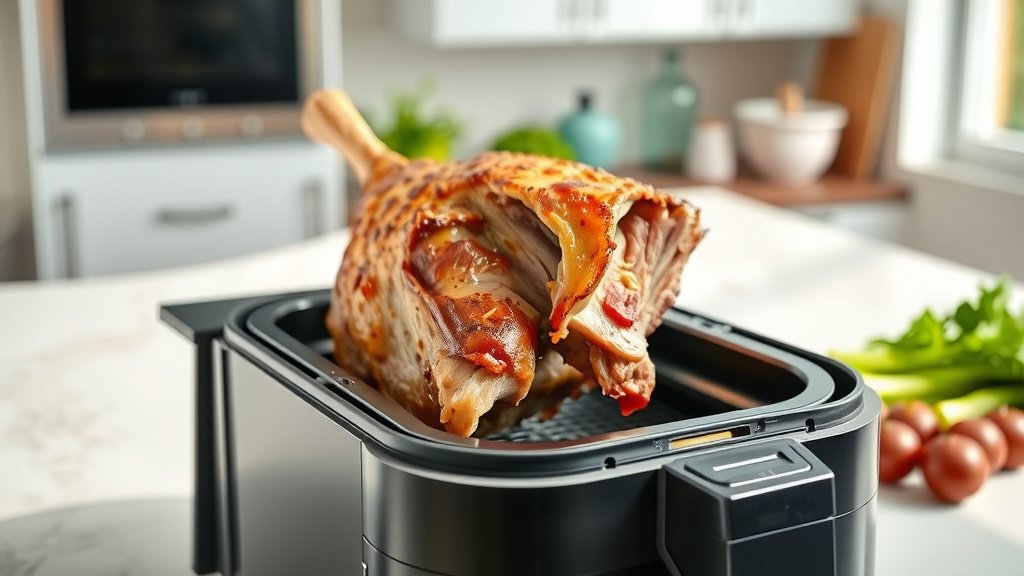
To air fry lamb shoulder, begin by preheating your air fryer to 350-375°F (175-190°C). Then, season your trimmed lamb shoulder generously and cook for 45-75 minutes, flipping it halfway through, until an internal temperature of 145°F (63°C) is reached for medium-rare.
Achieving a wonderfully tender and crispy air-fried lamb shoulder relies on proper preparation, scoring the fat, and consistently monitoring the internal temperature with a reliable meat thermometer.
- Air fry lamb shoulder by preheating your machine to 350-375°F for optimal results.
- Season the lamb well, considering options like fresh garlic, fragrant rosemary, and coarse salt for depth.
- Score the fat cap to allow for incredible crispiness and better absorption of your chosen seasonings.
- Cook for approximately 45-75 minutes, adjusting based on the cut’s size, remembering to flip it once.
- Always verify doneness with an internal temperature of 145°F for medium-rare (USDA guidelines).
How To Air Fry Lamb Shoulder?
Air frying lamb shoulder gives you a deliciously tender interior with a wonderfully crispy exterior, a true treat for your taste buds. We found that cooking it at a moderate temperature, generally 350°F to 375°F, creates the best balance of texture and flavor.
Many home cooks are discovering the joy of lamb shoulder in their air fryers, transforming a sometimes tough cut into a succulent centerpiece. You’re in for a real treat with this method.
Why Choose Air Frying for Lamb Shoulder?
Why even consider the air fryer for lamb shoulder? Well, it’s all about efficiency and incredible texture. Air frying circulates hot air rapidly, which cooks food faster and gives it that desirable crispy outer layer without deep frying.
This method truly shines for lamb shoulder, helping to render the fat beautifully and keep the meat incredibly moist inside. We found it’s a great way to enjoy this flavorful cut with less fuss than traditional roasting.
Picking the Perfect Lamb Shoulder Cut
When you’re at the butcher or grocery store, you might see bone-in or boneless lamb shoulder. Both work in the air fryer, but boneless cooks a bit faster and is easier to carve. A 2-3 pound boneless cut is often ideal for most air fryer baskets.
If you choose a bone-in piece, just remember it might take a little longer. Always aim for a piece with a good fat cap; this will help keep the lamb juicy and add flavor as it renders.
Essential Tools for Air Frying Lamb
Before you even think about cooking, let’s talk tools. You’ll definitely need an air fryer, of course! A good meat thermometer is non-negotiable for food safety and perfect doneness.
Other helpful items include a sharp knife for trimming, a cutting board, and a pair of tongs for flipping. Having these ready makes the whole process smoother and more enjoyable.
Prepping Your Lamb Shoulder for the Air Fryer
Preparation is key to a fantastic air-fried lamb shoulder. First, unwrap your lamb and pat it thoroughly dry with paper towels. This step helps achieve that amazing crispy skin.
Next, you’ll want to trim any excessively thick pieces of fat, leaving a thin layer for flavor and moisture. Don’t remove all of it, as some fat is crucial for a tender and juicy result.
The Art of Seasoning
Now for the fun part: seasoning! Lamb loves strong flavors. Many experts say a simple mix of salt, black pepper, minced garlic, and fresh rosemary is a classic for good reason. You could also try a spice rub with paprika, cumin, and dried oregano.
- Coarse sea salt and freshly cracked black pepper
- Minced garlic or garlic powder
- Fresh or dried rosemary and thyme
- Smoked paprika and a pinch of cayenne for a kick
- A touch of olive oil to help seasonings stick
Don’t be shy; really rub that seasoning into every crevice. This builds flavor from the outside in, making every bite delicious.
Why Score the Fat?
Scoring the fat cap means making shallow cuts across the fat in a crisscross pattern, without cutting into the meat itself. We found this practice does two wonderful things: it helps the fat render more efficiently, creating a crispier surface, and it allows your seasonings to penetrate deeper into the meat.
Think of it as creating tiny highways for flavor. It’s a simple trick that makes a big difference in the final taste and texture of your lamb shoulder.
Step-by-Step Guide: Air Frying Lamb Shoulder
Alright, you’ve prepped your lamb, now let’s get cooking! The process is quite straightforward. Always start with a preheated air fryer; this helps the lamb cook more evenly and develop a better crust.
Place your seasoned lamb shoulder in the air fryer basket in a single layer. You might need to cut larger pieces to fit, or cook in batches if your air fryer is smaller. Don’t overcrowd the basket, as that can hinder proper air circulation.
Setting the Right Temperature and Time
For lamb shoulder, a sweet spot is often 350-375°F (175-190°C). Too high, and the outside might burn before the inside cooks; too low, and you won’t get that coveted crispy exterior. Here’s a general guide:
| Lamb Shoulder Size (Boneless) | Temperature | Initial Cook Time | Final Internal Temp. (Medium-Rare) |
|---|---|---|---|
| 1.5 – 2 lbs | 375°F (190°C) | 45-55 minutes | 145°F (63°C) |
| 2 – 3 lbs | 350°F (175°C) | 55-70 minutes | 145°F (63°C) |
| 3 – 4 lbs | 350°F (175°C) | 70-85 minutes | 145°F (63°C) |
Remember, these are starting points. Your air fryer might cook differently, so always use your meat thermometer for accuracy.
Flipping and Resting Your Lamb
Midway through the cooking time, gently flip your lamb shoulder using tongs. This ensures both sides get that beautiful golden-brown crust and cook evenly. It’s like turning your steak on the grill.
Once cooked to your desired doneness, remove the lamb from the air fryer and let it rest on a cutting board, loosely tented with foil, for at least 10-15 minutes. This resting period allows the juices to redistribute, making the lamb even more tender and flavorful. Don’t skip this crucial step!
Checking for Doneness: No More Guesswork
Forget guessing games; a meat thermometer is your best friend here. Insert it into the thickest part of the lamb, avoiding bone, to get an accurate reading. For medium-rare lamb, aim for 145°F (63°C). For medium, 160°F (71°C), and for well-done, 170°F (77°C).
The temperature will rise slightly during the resting period, so pulling it out just shy of your target is often a good idea. We found this ensures the perfect, juicy result.
Is your lamb ready to serve?
- Internal temperature of 145°F for medium-rare (USDA).
- Resting period of 10-15 minutes completed.
- Juices are running clear or slightly pink.
- Exterior is beautifully browned and crispy.
- Meat feels tender when pressed gently.
Troubleshooting Common Air Frying Lamb Issues
Even seasoned air fryer users sometimes hit a snag. What if your lamb seems dry? Often, this means it was overcooked. Next time, pull it out a little earlier, or consider a slightly lower temperature for a longer time. Many experts say a slight reduction in temperature can prevent dryness.
If your lamb cooked unevenly, it might be due to overcrowding the basket or not flipping it. Make sure there’s enough space for air to circulate, and always remember that halfway flip. Don’t worry, a little adjustment goes a long way!
Serving Suggestions for Your Air-Fried Lamb
Your beautifully air-fried lamb shoulder deserves equally delicious accompaniments. Think about classic pairings like roasted potatoes and asparagus. A fresh mint sauce or a tangy gremolata also complements the richness of the lamb wonderfully.
It’s also fantastic sliced and served in pita bread with tzatziki, creating a Mediterranean-inspired meal. What’s your favorite side with lamb? The possibilities are really quite endless!
Safety First: Handling Lamb Properly
Food safety is always paramount when cooking any meat. Always wash your hands before and after handling raw lamb. Use separate cutting boards and utensils for raw meat to prevent cross-contamination (Mayo Clinic).
Store any leftovers in an airtight container in the refrigerator within two hours of cooking. Reheat thoroughly to at least 165°F (74°C) to enjoy safely later. We prioritize these steps for your peace of mind.
Conclusion
Air frying lamb shoulder is a fantastic way to enjoy a flavorful cut of meat with less effort and impressive results. You get that irresistible combination of a tender, juicy interior and a crispy, golden-brown exterior that’s hard to beat.
By following these steps – from smart preparation and seasoning to careful temperature monitoring and proper resting – you’re set to create a truly delicious meal. Don’t be afraid to experiment with your favorite herbs and spices to make it uniquely yours. Enjoy your perfectly air-fried lamb!
Can I air fry a frozen lamb shoulder?
We generally recommend against air frying a frozen lamb shoulder directly. Thawing it completely in the refrigerator beforehand ensures more even cooking and better texture. Cooking from frozen can lead to an overcooked exterior and an undercooked interior.
What internal temperature should air-fried lamb shoulder reach?
For a perfect medium-rare, your air-fried lamb shoulder should reach an internal temperature of 145°F (63°C). If you prefer medium, aim for 160°F (71°C), and for well-done, 170°F (77°C) (USDA guidelines). Always use a reliable meat thermometer.
How do I prevent my lamb shoulder from drying out in the air fryer?
To prevent dryness, avoid overcooking your lamb. Use a meat thermometer to pull it off the heat when it reaches your desired internal temperature. Also, allowing the lamb to rest for 10-15 minutes after cooking helps redistribute juices, keeping it moist.
Do I need to marinate lamb shoulder before air frying?
While not strictly necessary, marinating lamb shoulder can add extra flavor and tenderness. Even a simple marinade for a few hours with olive oil, lemon juice, garlic, and herbs can make a noticeable difference. However, a good dry rub works wonderfully too.
What are the best seasonings for air-fried lamb shoulder?
Classic seasonings for air-fried lamb shoulder include fresh rosemary, garlic, salt, and black pepper. Many people also enjoy adding thyme, oregano, smoked paprika, or even a touch of cumin for a more robust flavor profile. Don’t be shy with your chosen spices!