How To Air Fry Frozen Beef Galouti Kebabs?
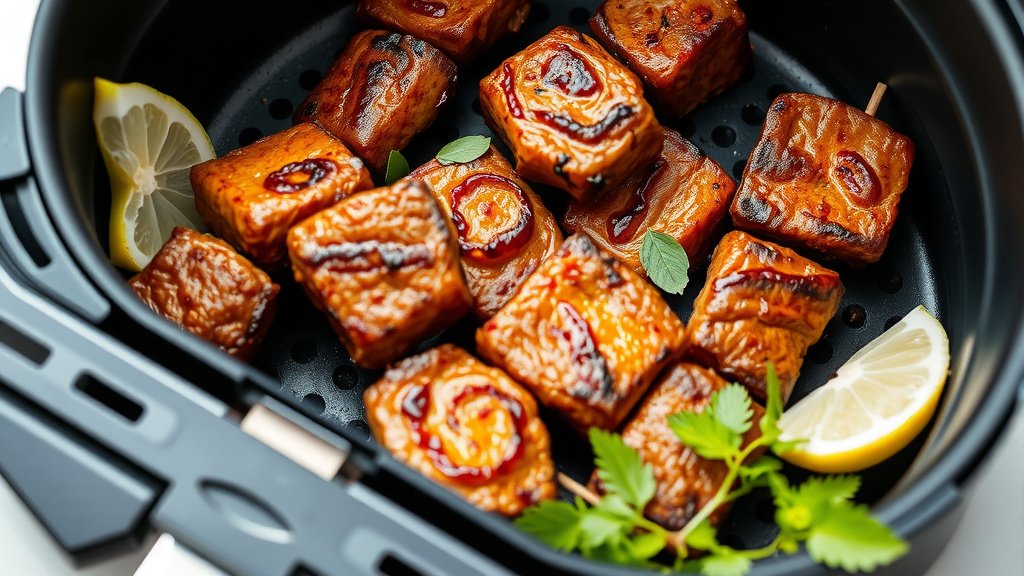
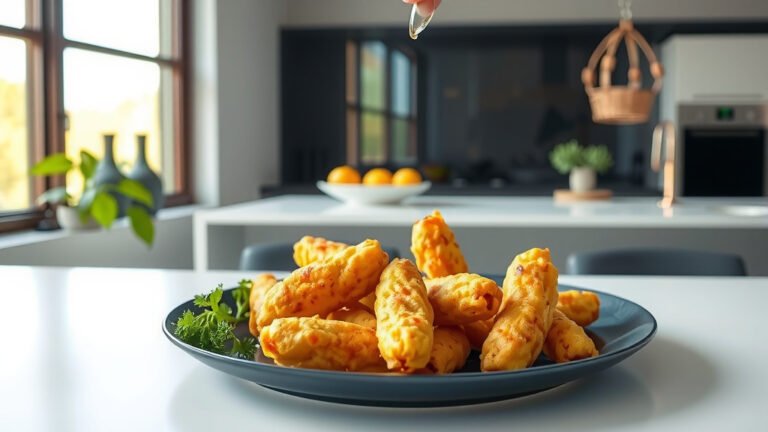
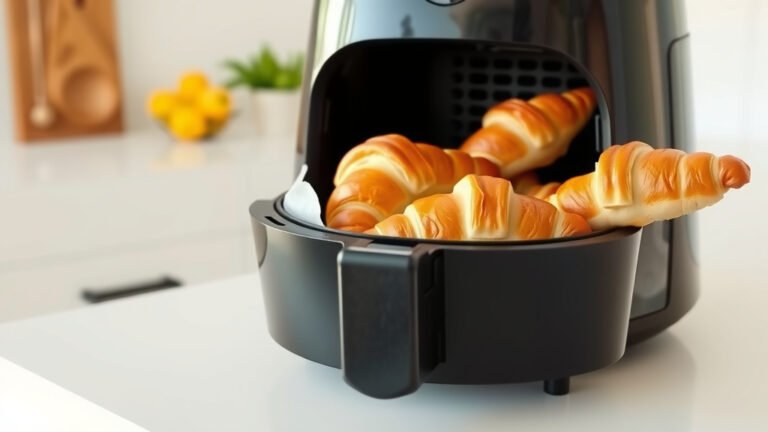
To air fry frozen beef Galouti Kebabs, preheat your air fryer to 375°F (190°C), arrange the kebabs in a single layer without overcrowding, and cook for 10-14 minutes, flipping halfway through.
The key is achieving a golden-brown exterior and ensuring the internal temperature reaches a safe 165°F (74°C) for optimal texture and food safety.
TL;DR: How to Air Fry Frozen Beef Galouti Kebabs
- Preheat your air fryer to 375°F (190°C).
- Lightly spray the basket or kebabs with oil to prevent sticking.
- Arrange frozen kebabs in a single layer, ensuring space between each.
- Air fry for 10-14 minutes, gently flipping them at the 7-minute mark.
- Check for a golden-brown color and an internal temperature of 165°F (74°C).
How To Air Fry Frozen Beef Galouti Kebabs?
Air frying frozen beef Galouti Kebabs is straightforward and yields a delicious, tender result. You simply need to preheat your air fryer and cook them until they are heated through and beautifully browned.
Why Air Fry Galouti Kebabs?
Air frying these delicate kebabs offers several advantages. You get a wonderfully crispy exterior without much oil. It’s also a quick and convenient cooking method, perfect for a busy weeknight. Many home cooks find it locks in flavor effectively (Cook’s Illustrated).
What Are Galouti Kebabs Anyway?
Galouti kebabs are a culinary delight, known for their incredibly tender, melt-in-your-mouth texture. Originating from Lucknow, India, these kebabs were traditionally made for a toothless king. They are typically made from finely minced meat, often beef or lamb, blended with an aromatic mix of spices and papaya paste to aid tenderization.
Getting Ready: What You’ll Need
Before you start, gather your tools. You don’t need much, which is part of the air fryer’s appeal. Having everything ready makes the process smooth.
- Frozen beef Galouti Kebabs
- Air fryer
- Tongs
- Meat thermometer (optional, but recommended)
- Oil spray (optional, but helpful)
Your Step-by-Step Air Frying Guide
Ready to make some magic? Follow these simple steps for perfectly air-fried kebabs. It’s easier than you might think!
Preheating is Key
Always preheat your air fryer. We found that preheating helps cook food more evenly and achieve a better texture. Set your air fryer to 375°F (190°C) and let it run for 3-5 minutes.
Arranging Your Kebabs
This step is vital for even cooking. Take your frozen Galouti kebabs and place them in the air fryer basket. Make sure they are in a single layer and not touching. Overcrowding can lead to uneven cooking and less crispiness. If you have many kebabs, cook them in batches.
The Cooking Process
Once your air fryer is preheated and kebabs are arranged, you’re ready to cook. This process is quite hands-off, giving you time for other tasks.
Cook the kebabs at 375°F (190°C) for 10-14 minutes. Around the 7-minute mark, use tongs to gently flip each kebab. This ensures both sides get beautifully browned and crispy. Keep an eye on them, as air fryer models can vary in cooking power.
Checking for Doneness
How do you know they’re ready? The kebabs should have a lovely golden-brown exterior. For peace of mind, especially with meat, consider using a meat thermometer. Many experts say that beef should reach an internal temperature of 165°F (74°C) for food safety (USDA guidelines).
Tips for Perfect Air-Fried Galouti Kebabs
Want to go from good to great? These little tricks make a big difference.
Don’t Overcrowd the Basket
It’s worth repeating: give your kebabs space. Air needs to circulate around each piece for proper cooking and crisping. Think of it like giving them breathing room.
A Light Oil Spray Helps
Though an air fryer uses less oil, a light spray of cooking oil can make your kebabs even crispier and prevent sticking. It also helps achieve that desirable golden finish.
To Thaw or Not to Thaw?
For most frozen foods, including Galouti kebabs, it’s generally fine to cook them directly from frozen. Thawing can sometimes make delicate items fall apart. We found that cooking from frozen often yields better results for maintaining shape and texture.
Troubleshooting Common Issues
Sometimes things don’t go perfectly, and that’s okay! Here are solutions for common air frying hiccups.
Kebabs Sticking to the Basket
If your kebabs are sticking, try spraying the air fryer basket with a non-stick cooking spray before adding them. You can also place a piece of parchment paper designed for air fryers in the basket.
Not Crispy Enough
If they lack crispiness, ensure you haven’t overcrowded the basket. Increase the cooking time by a minute or two, checking frequently. A light oil spray can also boost crispness.
Too Dry
Overcooking is often the culprit for dry kebabs. Monitor your cooking time closely and consider using a meat thermometer. Galouti kebabs are very delicate, so a minute or two can make a difference.
Serving Suggestions
These kebabs are delicious on their own, but pairing them with the right accompaniments elevates the experience. Think about flavors that complement the rich, aromatic beef.
| Serve With | Why It Works |
|---|---|
| Mint Chutney | Cool, refreshing, and balances the richness. |
| Tamarind Chutney | Sweet and tangy, adds a bright contrast. |
| Sliced Red Onions | Adds a sharp, fresh crunch. |
| Lemon Wedges | A squeeze of citrus brightens the flavor. |
| Warm Naan or Pita Bread | Perfect for scooping up the tender kebabs. |
Nutritional Aspects
While Galouti kebabs are a treat, it’s good to be mindful of their nutritional profile. Since they are made from beef and spices, they can be a good source of protein. Air frying them helps reduce the added fat that comes from traditional deep frying, making it a lighter option. Always check the specific packaging for detailed nutritional information, as ingredients can vary between brands.
Safety First: Handling Frozen Meats
When working with frozen meats, food safety is paramount. Always handle raw meat with clean hands and utensils. Avoid cross-contamination by keeping raw meat separate from ready-to-eat foods. Wash your hands thoroughly before and after handling the kebabs. Ensuring the kebabs reach an internal temperature of 165°F (74°C) is key to eliminating harmful bacteria (CDC guidelines).
Conclusion
Air frying frozen beef Galouti Kebabs is a fantastic way to enjoy this classic dish with minimal effort and less oil. By following these straightforward steps—preheating, arranging properly, and monitoring cooking times—you’ll create perfectly tender, flavorful kebabs every time. Don’t be afraid to experiment with serving them with your favorite chutneys and fresh accompaniments. It’s a simple, delicious win for any meal!
Can I reheat leftover air-fried Galouti Kebabs?
Yes, you can absolutely reheat them. Place the leftover kebabs in a preheated air fryer at 350°F (175°C) for about 3-5 minutes, or until they are heated through and slightly crispy again. This helps them regain their texture.
What if my Galouti Kebabs are still raw inside after the recommended time?
Air fryer models can vary, so cooking times are always approximate. If your kebabs are still raw, simply return them to the air fryer for an additional 2-3 minutes, checking frequently. Use a meat thermometer to confirm they’ve reached 165°F (74°C).
Can I add more spice to the frozen kebabs before air frying?
Adding more spice directly to frozen kebabs might not stick well or integrate fully. For extra flavor, consider making a spicy dipping sauce to serve alongside them. You could also sprinkle a pinch of chili powder or chaat masala over them immediately after air frying.
Do I need to spray oil on the kebabs if my air fryer basket is non-stick?
While a non-stick basket helps, a very light spray of oil can still enhance the kebabs’ exterior browning and crispiness. It’s not strictly necessary for cooking, but it can contribute to a more appealing finish and flavor. Consider it an optional upgrade.
How do I prevent the kebabs from breaking apart when flipping?
Galouti kebabs are known for their delicate texture. To prevent them from breaking, use thin, flat tongs or a spatula to gently flip them. Avoid using forks or harsh movements. Ensuring they are still slightly firm from being frozen can also help them hold their shape during the initial cooking phase.