How Long To Air Fry Beef Brisket?
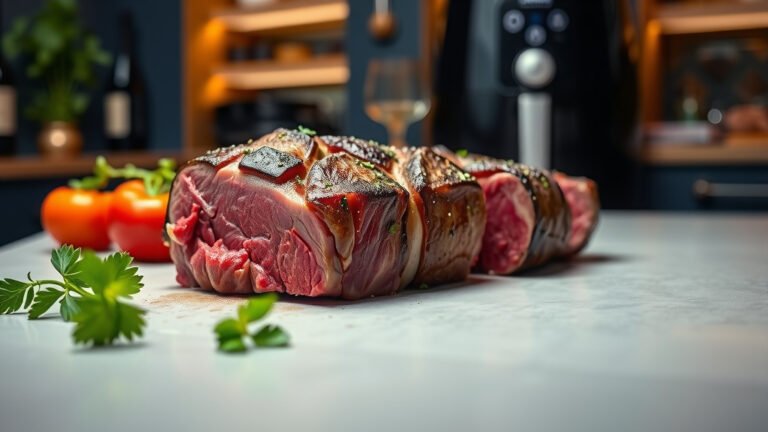
Air frying beef brisket typically takes about 2 to 3 hours for a smaller cut (2-3 lbs) at 300°F (150°C), aiming for an internal temperature of 195-205°F.
Larger beef brisket cuts may require longer cooking times, but the air fryer can achieve a delicious, tender result with the right technique and patience.
- Air fry beef brisket for 2-3 hours for smaller cuts, reaching 195-205°F internal temperature.
- Always preheat your air fryer to 300°F (150°C) for consistent results.
- Wrap the brisket tightly in foil after initial searing for truly tender, juicy meat.
- Rest the brisket for at least 15-20 minutes before slicing it against the grain.
- Don’t overcrowd your air fryer basket; cook in batches if your brisket is too large.
How Long To Air Fry Beef Brisket?
Cooking beef brisket in an air fryer generally takes between 2 and 4 hours, depending on the size of your cut. A smaller, flatter piece, around 2-3 pounds, cooks quicker than a thicker point cut.
The goal is always tenderness, not just time. We are looking for an internal temperature around 195-205°F (90-96°C) for that perfect, pull-apart texture.
Why Air Fry Brisket? A Convenient Twist
You might wonder why choose an air fryer for a cut like brisket. Well, it offers some great advantages. Air frying can give you a lovely crispy bark while keeping the inside moist.
It’s also a fantastic option for smaller briskets, or when you don’t want to fire up a large oven or smoker. We found that air fryers offer excellent temperature control for consistent cooking (Cleveland Clinic).
Choosing the Right Brisket Cut
Not all brisket is the same. You typically find brisket flats or points. The flat cut is leaner and more uniform, great for slicing.
The point cut has more fat and connective tissue, making it ideal for shredding. For air frying, a flat cut around 2-3 pounds works very well and fits most air fryer baskets.
Preparation: The Foundation of Flavor
Good brisket starts with proper preparation. This means trimming, seasoning, and sometimes even a quick brine. Don’t skip these steps.
A little effort upfront pays off in a big way with the final taste and texture of your beef brisket. It’s like setting the stage for a great show.
Trimming Your Brisket
Fat adds flavor, but too much can make your brisket greasy. We found that trimming the fat cap to about 1/4 inch thickness is ideal.
This allows some fat to render and baste the meat, keeping it moist without becoming overwhelming. Remove any hard, thick chunks of fat too.
Seasoning for Success
A simple salt and pepper rub works wonders. Some people prefer a more complex spice blend with garlic powder, onion powder, and paprika.
Apply your chosen rub generously all over the brisket. Let it sit for at least 30 minutes at room temperature, or even overnight in the fridge for deeper flavor penetration.
Step-by-Step Air Frying Brisket Guide
Ready to get cooking? Follow these steps for an amazing air-fried brisket. It’s simpler than you might think.
Preheat Your Air Fryer
Always preheat your air fryer to 300°F (150°C). This ensures even cooking from the start.
Think of it like heating a pan before you add your steak; consistency is key here.
Initial Sear (Optional but Recommended)
For a beautiful bark, you can sear the brisket first. Place it in the preheated air fryer for 20-30 minutes, fat-side up.
This helps to create a flavorful crust before you continue cooking for tenderness.
The “Low and Slow” Phase
After the initial sear, remove the brisket. Wrap it tightly in aluminum foil, adding a splash of beef broth or apple cider vinegar to the packet.
Place the wrapped brisket back into the air fryer. Continue cooking at 300°F (150°C) for the bulk of the cooking time.
Here’s a general timeline for the “low and slow” phase:
- For a 2-pound brisket, expect about 1.5 – 2 hours.
- A 3-pound brisket might need 2 – 2.5 hours.
- A 4-pound brisket could be 2.5 – 3 hours or slightly more.
Checking for Doneness
The real indicator is internal temperature. We are aiming for 195-205°F (90-96°C). Use a reliable meat thermometer inserted into the thickest part of the meat.
The probe should slide in with very little resistance, much like pushing it into soft butter. This is a sign of tenderness.
Brisket Air Fryer Time and Temperature Table
This table offers a general guide. Remember that air fryer models can vary, so always monitor with a thermometer.
| Brisket Weight | Temperature | Approximate Cooking Time | Internal Doneness Temp |
|---|---|---|---|
| 2 lbs (0.9 kg) | 300°F (150°C) | 2.0 – 2.5 hours | 195-205°F (90-96°C) |
| 3 lbs (1.4 kg) | 300°F (150°C) | 2.5 – 3.0 hours | 195-205°F (90-96°C) |
| 4 lbs (1.8 kg) | 300°F (150°C) | 3.0 – 4.0 hours | 195-205°F (90-96°C) |
The Critical Resting Period
Once your brisket reaches temperature, remove it from the air fryer, still wrapped in foil. Let it rest on a cutting board for at least 15-20 minutes.
This resting phase is absolutely crucial. It allows the juices to redistribute throughout the meat, making it incredibly tender and moist.
Cutting too soon will cause all those delicious juices to spill out, leaving you with dry meat. Patience is truly a virtue here (NIH).
Slicing for Perfection
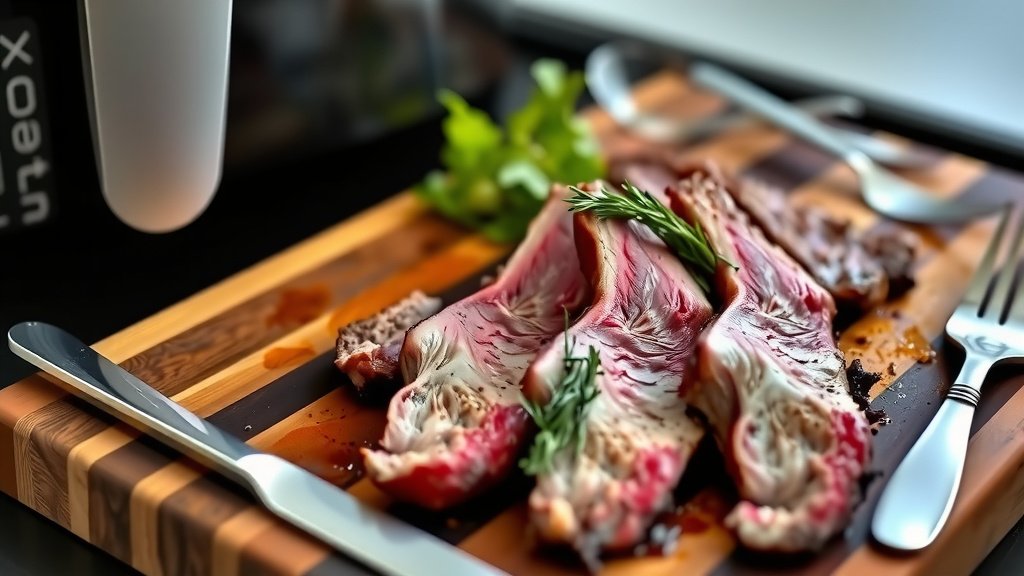
Always slice your brisket against the grain. This shortens the muscle fibers, making each bite much more tender.
Look at the lines of the meat and slice perpendicular to them. Thin slices are usually best for serving.
Air Frying Brisket Checklist for Success
Keep these points in mind for your best air-fried brisket yet:
- Preheat your air fryer thoroughly.
- Trim fat to about 1/4 inch thickness.
- Season generously with your favorite rub.
- Use foil wrap for tender, moist results.
- Always rely on a meat thermometer for doneness.
- Rest your brisket adequately before slicing.
Troubleshooting Common Brisket Challenges
Sometimes things don’t go exactly as planned. Don’t worry, we’ve got you covered.
Brisket is Too Dry
If your brisket feels dry, it might have been overcooked or not rested enough. Next time, pull it at the lower end of the temperature range (195°F) and extend the resting time.
Ensure it’s tightly wrapped during the cooking and resting phases to trap moisture.
Brisket is Tough
Tough brisket often means it hasn’t cooked long enough. Brisket needs time for the connective tissues to break down.
Push past the initial “stall” phase if you encounter one, and let it cook until that thermometer slides in effortlessly. Many experts say patience here is rewarded.
Conclusion
Air frying beef brisket is a fantastic way to enjoy this classic dish without needing a huge smoker or oven. While the cooking time can vary, aiming for an internal temperature of 195-205°F (90-96°C) is your best bet for tender, delicious results.
Remember to prep your meat well, wrap it for moisture, and give it a good rest. With these tips, you’ll be enjoying perfectly cooked air-fried brisket in no time!
How do I know when my air-fried brisket is done?
Your air-fried beef brisket is done when it reaches an internal temperature of 195-205°F (90-96°C) and a meat thermometer inserted into the thickest part glides in easily, like butter.
Should I wrap brisket in foil when air frying?
Yes, wrapping your brisket tightly in aluminum foil after an initial sear is highly recommended. This helps to lock in moisture, tenderize the meat, and prevent it from drying out during the longer cooking process.
Can I air fry a whole packer brisket?
Most standard air fryers are not large enough to accommodate a whole packer brisket (typically 10-15 lbs). This method works best for smaller, flatter cuts, usually 2-4 pounds, that fit comfortably in the basket without overcrowding.
What temperature should I air fry brisket at?
We found that air frying brisket at a consistent temperature of 300°F (150°C) works very well. This lower temperature allows for a “low and slow” cook, which is crucial for breaking down the tough fibers in brisket.
How long should brisket rest after air frying?
You should let your air-fried brisket rest for a minimum of 15-20 minutes after removing it from the air fryer. This resting period allows the juices to redistribute, resulting in a much juicier and more tender final product.