Does Air Frying Reduce Cholesterol Intake?
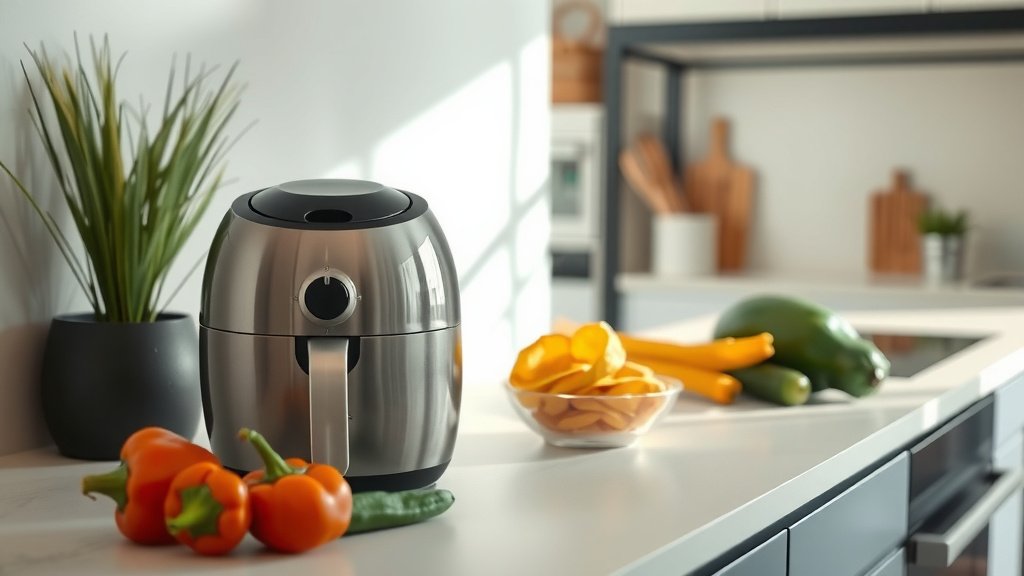
Yes, air frying can indirectly help reduce your cholesterol intake by significantly cutting down on the amount of added fat and oil used in cooking compared to traditional deep frying methods.
By using less oil, you naturally consume fewer calories and less saturated and trans fats, which are known contributors to higher LDL (“bad”) cholesterol levels.
TL;DR:
- Air frying uses much less oil, reducing fat intake and potential cholesterol impact.
- It helps prepare traditionally fried foods in a healthier way.
- It’s not a magic bullet; overall diet and food choices are still key.
- Focus on lean proteins, vegetables, and healthy fats alongside air frying.
- It’s a great tool to support a heart-healthy lifestyle, not replace it.
Does Air Frying Reduce Cholesterol Intake?
Air frying certainly can play a helpful role in reducing your cholesterol intake. It primarily does this by reducing the amount of cooking oil needed for many dishes, which means less saturated and trans fats making their way onto your plate.
Think of it as a tool in your kitchen to make your favorite crispy foods a little kinder to your heart.
How Air Frying Changes the Game for Your Health
Many of us love that satisfying crunch of fried food, right? But the traditional deep-frying method often comes with a hefty dose of oil. Air frying offers a clever workaround.
It lets you achieve similar textures with just a fraction of the oil, or sometimes, no added oil at all.
Less Oil, Less Worry?
When you deep fry, your food soaks up a lot of oil, increasing its fat and calorie content dramatically. With an air fryer, you’re essentially using hot circulating air to cook and crisp your food.
This means your meals absorb significantly less oil. Less oil translates directly to a lower intake of fats that can influence your cholesterol levels (Cleveland Clinic).
Understanding Cholesterol: The Basics
Before we dive deeper, let’s quickly touch on what cholesterol is. It’s a waxy, fat-like substance found in all your body’s cells.
Your body needs some cholesterol to make hormones, vitamin D, and digestive fluids. But too much can be a problem.
Good vs. Bad Cholesterol
You often hear about “good” and “bad” cholesterol. LDL, or low-density lipoprotein, is the “bad” one. High levels can lead to plaque buildup in your arteries.
HDL, or high-density lipoprotein, is the “good” one, helping to remove excess cholesterol from your arteries (Mayo Clinic).
The Science Behind Air Frying and Cholesterol
So, how does this air-powered marvel actually work its magic? It’s all about physics and efficient cooking.
When you choose to air fry, you’re choosing a method that inherently reduces the fat content of your meals.
How Air Fryers Work Their Magic
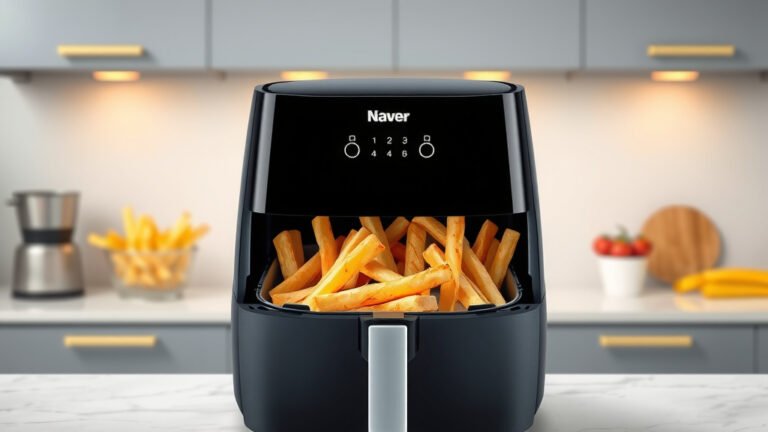
An air fryer is essentially a compact convection oven. It circulates super-hot air around your food at high speed.
This process creates a crispy, golden-brown exterior, much like deep-frying, but without submerging your food in oil. We found that this method uses around 70-80% less oil for many recipes (NIH).
What Happens to Fat During Air Frying?
Because you’re using minimal oil, or sometimes just a light spray, your food isn’t soaking up excessive amounts of fat. This means less saturated and trans fats are consumed.
These specific fats are the ones many experts say contribute most directly to unhealthy cholesterol levels (CDC).
| Frying Method | Oil Use (Approx.) | Fat Absorption | Cholesterol Impact (Potential) |
|---|---|---|---|
| Deep Frying | Multiple cups | High | Higher |
| Pan Frying | Several tablespoons | Medium | Medium |
| Air Frying | Teaspoon to spray | Very Low | Lower |
Practical Tips for Lowering Cholesterol with Your Air Fryer
An air fryer is a fantastic kitchen tool, but it’s not a license to eat fried chicken every day. It’s about making smarter choices.
By pairing your air fryer with thoughtful food preparation, you can really make a difference.
Choosing the Right Foods to Air Fry
The type of food you air fry matters just as much as the cooking method itself. Focus on lean proteins and plenty of vegetables.
Here’s a quick checklist to help you choose wisely:
- Lean proteins like chicken breast or fish fillets.
- Plenty of non-starchy vegetables such as broccoli, bell peppers, or zucchini.
- Homemade potato fries instead of store-bought, pre-fried options.
- Whole grains like air-fried chickpea snacks.
- Avoid processed, high-fat meats for the best results.
Smart Oil Choices Are Key
Even with an air fryer, the type of oil you use still counts. Opt for heart-healthy oils when a little oil is needed.
Olive oil, avocado oil, or grapeseed oil are good choices, often used in a light spray. These contain beneficial unsaturated fats.
Cooking Techniques for Healthier Meals
Beyond oil, your cooking habits can further boost the health benefits. Think about how you season your food and what you serve it with.
It’s about building a healthier plate overall, using your air fryer as a starting point:
- Season with herbs and spices instead of relying on heavy sauces.
- Pair air-fried items with fresh salads or steamed vegetables.
- Trim visible fat from meats before air frying them.
- Avoid breading that can absorb more fat, or use lighter, whole-grain breadings.
Common Misconceptions About Air Frying
It’s easy to think of air frying as a magic bullet for health. While it’s a great step in the right direction, it’s essential to keep a balanced perspective.
Understanding these common myths helps you use your air fryer most effectively for your health goals.
Is Air Frying Always “Healthy”?
Not necessarily. Air frying a highly processed food, like frozen chicken nuggets, might be “healthier” than deep-frying them, but it doesn’t transform them into a superfood.
The health benefits come from using the air fryer with naturally wholesome ingredients.
The Role of Overall Diet
An air fryer is a fantastic tool, but it’s just one part of a bigger picture. Many experts say that your overall dietary pattern is what truly impacts cholesterol levels (American Heart Association).
Combining air-fried meals with plenty of fruits, vegetables, whole grains, and lean proteins is the most effective approach.
Conclusion
Air frying absolutely offers a significant advantage in reducing your cholesterol intake, mainly by drastically cutting down on the need for unhealthy cooking oils. It empowers you to enjoy crispy, satisfying meals with far less saturated and trans fat.
Remember, it’s a powerful ally in your kitchen. Use it wisely with fresh, wholesome ingredients, and make it a part of a larger, balanced diet for the best results in managing your cholesterol and supporting your heart health. You’re taking a great step towards a healthier you!
Does air frying remove cholesterol from food?
No, air frying does not remove cholesterol that is naturally present in foods, like in chicken or eggs. Its main benefit for cholesterol management comes from reducing the *added* fats and oils during cooking, which are often high in saturated and trans fats.
Can air-fried foods still be high in cholesterol?
Yes, if you air fry foods that are inherently high in dietary cholesterol or unhealthy fats, like fatty cuts of meat or certain processed items, they will still retain those components. The cooking method itself doesn’t change the food’s original composition.
Is an air fryer better than baking for cholesterol?
Both air frying and baking are generally healthier than deep frying because they use little to no added oil. Air frying might offer a crispier texture with less fat than baking in some cases, but for cholesterol reduction, both are good options compared to deep-frying.
What are the best foods to air fry for a low-cholesterol diet?
For a low-cholesterol diet, focus on air frying lean proteins like chicken breast, fish, or tofu, and plenty of vegetables such as broccoli, cauliflower, Brussels sprouts, or bell peppers. Whole grains like chickpeas also air fry well into healthy snacks.
Should I use cooking spray or oil when air frying to reduce cholesterol?
Using a light spray of heart-healthy oil, like olive or avocado oil, is often recommended over pouring larger amounts of oil. The goal is to get a crispy texture with the absolute minimum amount of added fat to keep cholesterol intake in check.