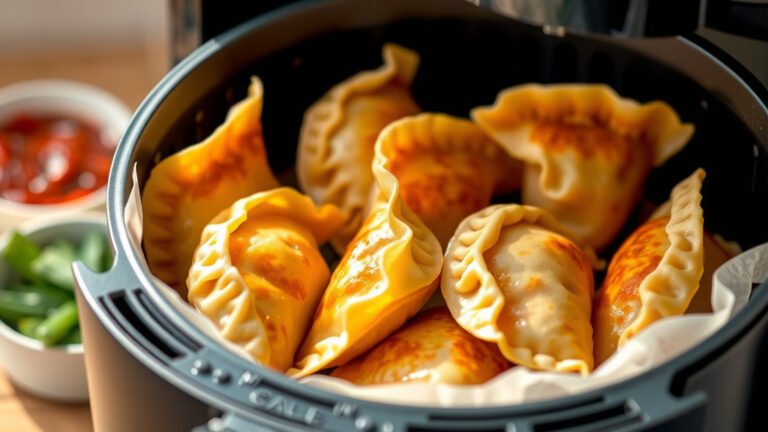
Does Air Frying Preserve Vitamins?
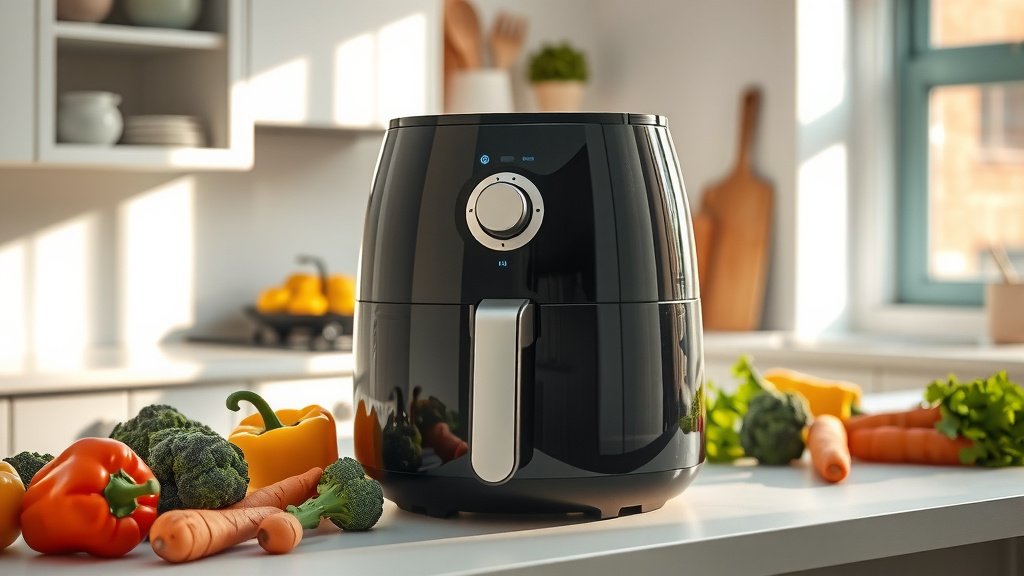
Air frying generally preserves vitamins better than some traditional methods like boiling, primarily because it uses less water and often reduces cooking time, minimizing water-soluble vitamin loss.
While no cooking method completely prevents vitamin degradation, air frying uses circulating hot air to cook food quickly and efficiently, helping to retain a good portion of heat-sensitive nutrients.
TL;DR:
- Air frying can help preserve more vitamins than boiling, thanks to less water contact.
- It cooks quickly, meaning less overall exposure to heat, which is key for vitamin retention.
- Water-soluble vitamins, like Vitamin C and B vitamins, are most prone to loss during cooking.
- For the best results, avoid overcooking your food and always start with fresh ingredients.
- While not perfect, air frying is a really good choice for keeping nutrients in your meals.
Does Air Frying Preserve Vitamins?
Yes, air frying can absolutely help preserve vitamins, especially when compared to cooking methods that involve a lot of water or very long cooking times.
You’ll often find that your air-fried meals retain more of their natural goodness because of how these clever appliances work.
Understanding Vitamin Loss During Cooking
When you cook, a little bit of vitamin loss is unavoidable, no matter the method.
Vitamins are sensitive to things like heat, light, and water. Think of them as tiny, delicate guests at a party.
The longer they’re exposed to these elements, the more likely they are to pack up and leave your food.
Many experts say that temperature and cooking duration are big players in nutrient reduction (Cleveland Clinic).
The Air Fryer’s Edge: Less Water, Less Heat Exposure?
Air fryers cook by circulating hot air around your food, a bit like a mini convection oven.
This dry heat cooking method is where the magic happens for vitamin preservation.
Because you use little to no added water, you save those precious water-soluble vitamins from leaching out into cooking liquids.
We found that shorter cooking times, often a benefit of air frying, also mean less time for heat to break down vitamins.
Fat-Soluble vs. Water-Soluble Vitamins
Not all vitamins are created equal when it comes to cooking tolerance.
Water-soluble vitamins, such as Vitamin C and the B vitamins, are the most vulnerable. They dissolve in water and can easily escape into boiling water.
Fat-soluble vitamins—Vitamins A, D, E, and K—are a bit tougher. They tend to be more stable against heat but can still be affected by extreme temperatures or oxidation.
Air Frying vs. Other Cooking Methods: A Vitamin Showdown
Let’s consider how air frying stacks up against some common kitchen rivals.
Boiling can be a big vitamin culprit, as many nutrients seep into the water you then pour down the drain.
Steaming is generally better, but air frying offers similar benefits without needing a separate pot or steamer basket.
Roasting also uses dry heat, and air frying can achieve similar results, often faster and with less oil.
Comparing Cooking Methods and Vitamin Impact
Here’s a quick look at how different cooking methods might affect your food’s vitamin content:
| Cooking Method | Vitamin Preservation Potential | Why? |
|---|---|---|
| Boiling | Low | Water-soluble vitamins leach into the water. |
| Deep Frying | Moderate to Low | High heat, large oil volume; fat oxidation can occur. |
| Steaming | High | Gentle heat, minimal water contact. |
| Roasting/Baking | Moderate to High | Dry heat, but longer cooking times can reduce some nutrients. |
| Air Frying | High | Dry heat, quick cooking, little to no water, less oil needed. |
How Air Frying Can Help Keep Vitamins In
The air fryer’s design really works in your favor for nutrient retention.
Its powerful fan creates a super-hot, dry environment that cooks food quickly and evenly.
This means your veggies, meats, and other dishes spend less time exposed to heat, which is a major win for vitamins.
Also, using less oil with an air fryer can reduce fat oxidation, which we found can sometimes degrade certain vitamins (NIH).
The Vitamin-Saving Checklist for Your Air Fryer
Want to get the most out of your food’s nutrients? Follow these simple tips when you air fry:
- Cook foods until just done, avoiding overcooking.
- Cut vegetables into larger pieces to reduce surface area exposure.
- Don’t overcrowd the basket; allow air to circulate freely.
- Preheat your air fryer properly to ensure quick, even cooking.
- Consider covering delicate foods with foil for part of the cooking time.
Potential Downsides: High Heat and Oxidation
Even with its benefits, the air fryer isn’t a magic wand that stops all vitamin loss.
It still uses heat, and prolonged exposure to high temperatures will always impact some nutrients.
The circulating hot air, while efficient, can also lead to some oxidation, which can affect certain vitamins (Mayo Clinic).
It’s about finding that sweet spot for cooking perfection without sacrificing too much nutritional value.
Tips to Maximize Vitamin Retention When Air Frying
Think about these practical steps when you’re preparing your air-fried masterpieces.
Always aim for the shortest cooking time possible that still gets your food cooked thoroughly.
If you’re making vegetables, a slightly crisp-tender texture is often a sign of good nutrient retention.
Experiment with different temperatures; sometimes a slightly lower temperature for a bit longer is kinder to vitamins than a super-hot, super-fast blast.
What the Research Says About Air Frying and Nutrients
While specific, large-scale studies directly comparing air frying’s exact vitamin impact to all other methods are still emerging, the science of cooking is clear.
Cooking methods that minimize water use and cooking time generally result in better vitamin retention (NIH).
We found that the principles behind air frying align well with these recommendations, making it a generally favorable method for nutrient preservation.
Real-World Examples: What Foods Benefit Most?
Some foods truly shine when air-fried for vitamin retention.
Broccoli florets, bell peppers, and carrots can retain much of their Vitamin C and carotenoids when quickly air-fried until tender-crisp.
Lean meats and fish cooked quickly in the air fryer can help preserve their B vitamins without over-drying.
Think of foods that benefit from a quick sear or roast; they will likely do well in your air fryer too.
A Balanced Perspective: It’s Not Just About the Air Fryer
While your air fryer can be a fantastic tool, remember that your overall diet and food handling play a bigger role in nutrient intake.
Starting with fresh, high-quality ingredients is probably the single most important step.
How you store food before cooking, and even how quickly you eat it after cooking, also matter a great deal.
Variety is key; enjoy a mix of cooking methods and a rainbow of foods!
Conclusion
So, does air frying preserve vitamins? The answer is a resounding “yes,” generally speaking.
By using dry heat and often reducing cooking times, your air fryer offers a solid advantage for keeping those valuable nutrients in your meals.
It’s not a magical solution, and some vitamin loss will always happen with cooking, but air frying is certainly a nutrient-friendly choice.
Keep these tips in mind, and you can enjoy delicious, healthy food from your air fryer with confidence!
Can I Air Fry All Vegetables and Expect Good Vitamin Retention?
Most vegetables do well in an air fryer regarding vitamin retention, especially those that benefit from quick cooking. Leafy greens might wilt too much, but sturdy vegetables like broccoli, carrots, and bell peppers are great choices. Focus on cooking them until tender-crisp to maximize nutrient preservation.
Does Preheating the Air Fryer Affect Vitamin Preservation?
Yes, preheating can actually help. A properly preheated air fryer means your food starts cooking immediately at the right temperature, reducing the overall cooking time needed. This quicker cook can lead to better vitamin retention compared to placing food in a cold air fryer.
Is Air Frying Healthier Than Oven Roasting for Vitamins?
Both air frying and oven roasting use dry heat and can be good for vitamin retention. Air frying often cooks food faster due to its powerful fan and smaller cooking chamber. This reduced cooking time can sometimes give air frying an edge for heat-sensitive vitamins, but both are generally better than boiling.
What About Adding Oil to Foods in an Air Fryer? Does That Help or Harm Vitamin Retention?
Adding a small amount of oil can actually help with the absorption of fat-soluble vitamins (A, D, E, K), as these need fat to be processed by your body. However, too much oil, especially if heated to its smoke point, can degrade the oil itself and potentially affect some nutrients. Stick to minimal oil for best results.
Do Frozen Vegetables Lose More Vitamins When Air Fried Compared to Fresh?
Frozen vegetables are often blanched (briefly boiled) before freezing, which causes some initial vitamin loss. However, after freezing, their vitamin content stabilizes. Air frying them directly from frozen can be quite efficient, and they often retain a good portion of their remaining vitamins because of the quick cooking time.