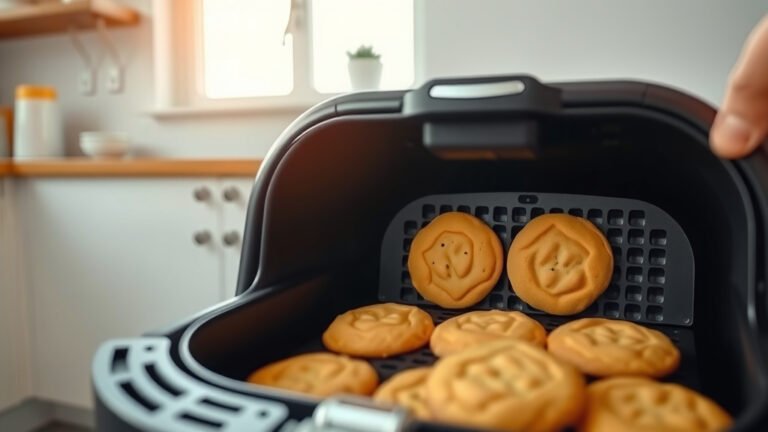
Does Air Frying Preserve Food Color?
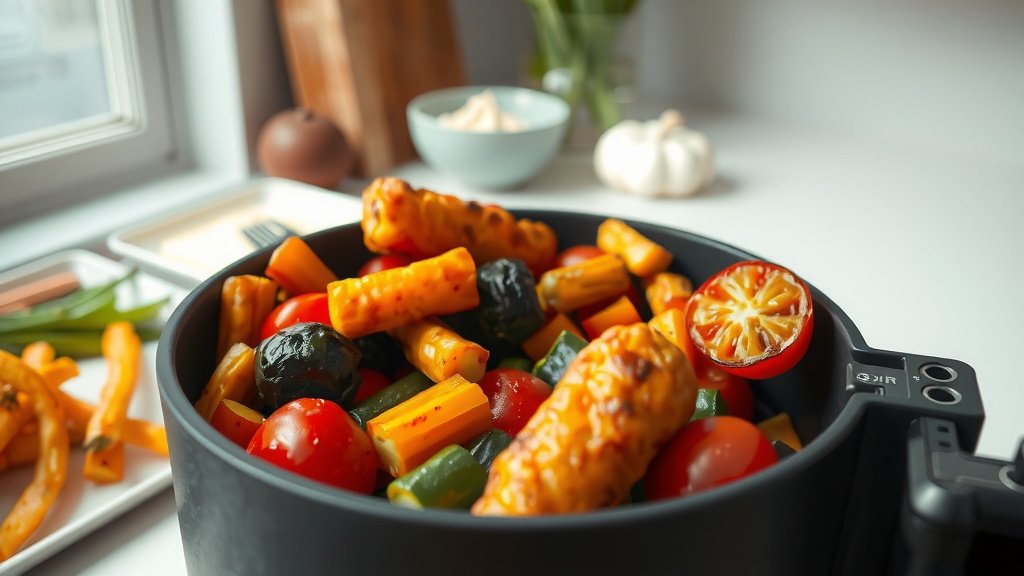
Yes, air frying can help preserve the vibrant colors of your food, often more effectively than deep frying or prolonged baking.
The rapid circulation of hot air and shorter cooking times in an air fryer can minimize the processes that typically cause significant color degradation.
TL;DR:
- Air frying uses fast, even heat to cook food quickly.
- This rapid cooking helps maintain food’s natural colors.
- Less oil compared to deep frying means less greasy dullness.
- It can achieve a crisp exterior without overcooking the inside.
- But watch out! Too high a temperature can still cause excessive browning.
Does Air Frying Preserve Food Color?
Air frying certainly has an edge when it comes to keeping your food looking bright and appealing. We found that the method’s unique cooking process plays a big role in this.
The Science Behind Color Preservation
When you cook food, various chemical reactions occur. Many of these reactions can alter pigments. The goal with air frying is to reduce the time these reactions have to work on your food’s natural hues.
Air fryers cook food by circulating hot air around it. This process creates a crispy exterior quickly, often before the interior has a chance to become overcooked or discolored. Think of it as a tiny, powerful convection oven.
How Rapid Heating Helps
The swift transfer of heat means food spends less time exposed to high temperatures overall. Less exposure equals less opportunity for pigments like chlorophyll (green) or anthocyanins (red/purple) to break down. This is why your green beans might stay greener.
Compare this to boiling vegetables, where pigments can leach into the water, or deep frying, where excessive oil can dull colors. Air frying offers a gentler, yet powerful, alternative.
Oil and Its Impact on Food Color
Deep frying involves submerging food in a bath of hot oil. While this creates a crispy crust, the oil itself can sometimes coat the food, making it appear darker or less vibrant. It’s like putting a filter over a bright photo.
With air frying, you use a minimal amount of oil, often just a tablespoon or a spray. This significantly reduces the chances of oil-induced color dullness. Your food gets that crispiness without the heavy oil coating.
The Browning Factor in Air Frying
While air frying generally preserves color, it’s also excellent at browning. The Maillard reaction, which creates those delicious golden-brown crusts, happens readily. This is great for chips or chicken, but it means you still need to be mindful.
Too much browning can certainly mask the original color of your food. So, it’s a delicate balance: getting that perfect crisp without overdoing the golden hue.
Foods That Keep Their Color Best in an Air Fryer
Certain foods particularly shine when air fried regarding color retention. Vegetables are often the biggest winners, maintaining their garden-fresh look.
- Broccoli and Green Beans: These stay vibrant green.
- Carrots and Sweet Potatoes: Their orange tones remain bright.
- Bell Peppers: Reds, yellows, and oranges pop without fading.
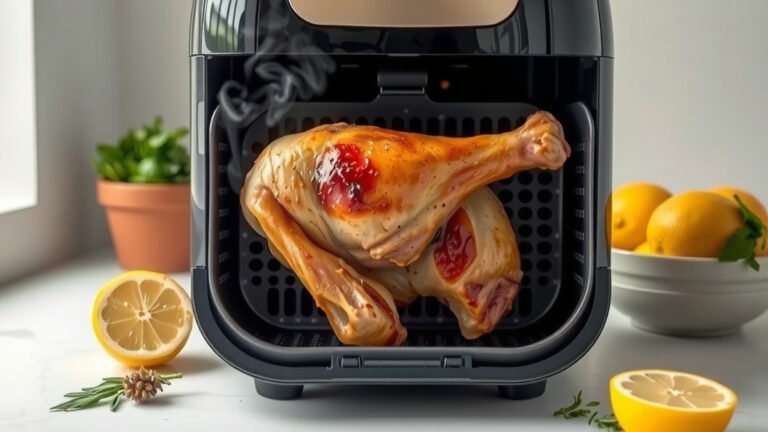
- Chicken and Fish: You get a lovely golden-brown exterior without the meat drying out or turning greyish.
Why Vegetables are Air Frying Superstars
Vegetables benefit immensely from the rapid, dry heat. Unlike boiling, which can wash out soluble pigments, air frying keeps moisture and color locked in. You get a tender-crisp texture with colors that truly stand out.
Factors Influencing Color Retention
Several things can impact how well your food keeps its color when air frying. Knowing these can help you get the best results every time.
| Factor | Impact on Color | Tip for Best Color |
|---|---|---|
| Temperature | Too high can cause over-browning. | Use moderate temperatures, around 350-375°F (175-190°C). |
| Cooking Time | Too long dulls colors and dries food. | Follow recommended times; check frequently. |
| Food Preparation | Uneven cuts cook unevenly, affecting color. | Cut food into uniform pieces for consistent cooking. |
| Amount of Oil | Excess oil can darken or dull the surface. | Use just enough oil to coat lightly for crispness. |
| Crowding | Too much food leads to uneven cooking and less vibrant results. | Cook in batches, allowing air to circulate freely. |
The Role of Preheating
Preheating your air fryer is a small step with a big impact on color. A preheated air fryer means the food starts cooking immediately at the right temperature. This leads to a quicker sear and more even color development.
Tips for Optimal Color Preservation
Want to ensure your air-fried meals always look as good as they taste? Here’s a simple checklist to follow.
- Don’t Overcrowd the Basket: Give food space for even air circulation.
- Use Minimal Oil: A light spray or toss is usually enough.
- Cook in Batches: This ensures every piece gets proper heat exposure.
- Shake or Flip Regularly: Promotes even browning and prevents burning.
- Monitor Cooking Progress: Peek in the basket frequently, especially towards the end.
- Adjust Temperature and Time: Lower heat for longer, or higher heat for shorter, depending on the food.
Comparing Air Frying to Other Methods
When you stack it up against other common cooking techniques, air frying often comes out ahead for color. Boiling can leach colors, roasting can sometimes dull them with prolonged exposure, and deep frying can obscure them with oil.
We found that air frying strikes a sweet spot. It provides the high heat needed for crisping without the excessive moisture loss of some dry-heat methods or the overwhelming oil of deep frying (research suggests).
The Benefit of Dry Heat
The dry heat in an air fryer helps to caramelize the exterior of many foods while keeping the interior moist. This process helps to preserve those vibrant colors, especially in vegetables. It’s like giving your food a healthy glow.
Potential Downsides to Watch For
While air frying is great, it’s not a magic bullet. Overcooking is still possible. If you leave food in too long, or set the temperature too high, you’ll end up with burnt bits. These burnt spots will, of course, hide any natural color.
Always err on the side of caution. A slight reduction in cooking time or temperature can make all the difference. You can always cook a little longer, but you cannot un-burn something.
Conclusion
Air frying offers a fantastic way to enjoy delicious, crispy food while also helping to preserve its natural, appealing colors. By understanding how the rapid, even heat and minimal oil usage contribute to this, you can master your air fryer to produce visually stunning and tasty meals.
Remember to manage your cooking times and temperatures carefully. With a little practice, your air-fried dishes will consistently look as good as they taste, proving that healthy cooking doesn’t mean sacrificing visual appeal. Enjoy those bright, beautiful bites!
FAQs About Air Frying and Food Color
Does air frying make vegetables turn brown quickly?
Air frying can cause vegetables to brown due to the Maillard reaction, especially if cooked at high temperatures or for too long. However, with proper technique, you can achieve a slight char and crispness while maintaining most of their vibrant color.
Can I air fry delicate fruits and still keep their color?
Yes, you can air fry delicate fruits like apple slices or peaches, and they often retain their color well. The key is to use a lower temperature and shorter cooking time to caramelize them slightly without overcooking or burning.
Is it better to air fry or steam vegetables for color?
For vibrant color, air frying is often preferred over steaming. Steaming can sometimes lead to slight color leaching due to moisture, while air frying’s dry, rapid heat helps lock in pigments and achieve a pleasing texture.
What if my air-fried food looks dull or grey?
If your air-fried food looks dull or grey, it might be undercooked, or you might be overcrowding the basket, which prevents proper air circulation and browning. Ensure even single layers and consider increasing the temperature or cooking time slightly.
Does the type of oil used affect food color in an air fryer?
Yes, the type of oil can subtly affect color. Oils with a high smoke point and neutral flavor (like avocado or grapeseed) are best. Using too much oil, or oil that burns easily, can lead to a darker, less appealing finish.