
Does Air Frying Food Reduce Protein?
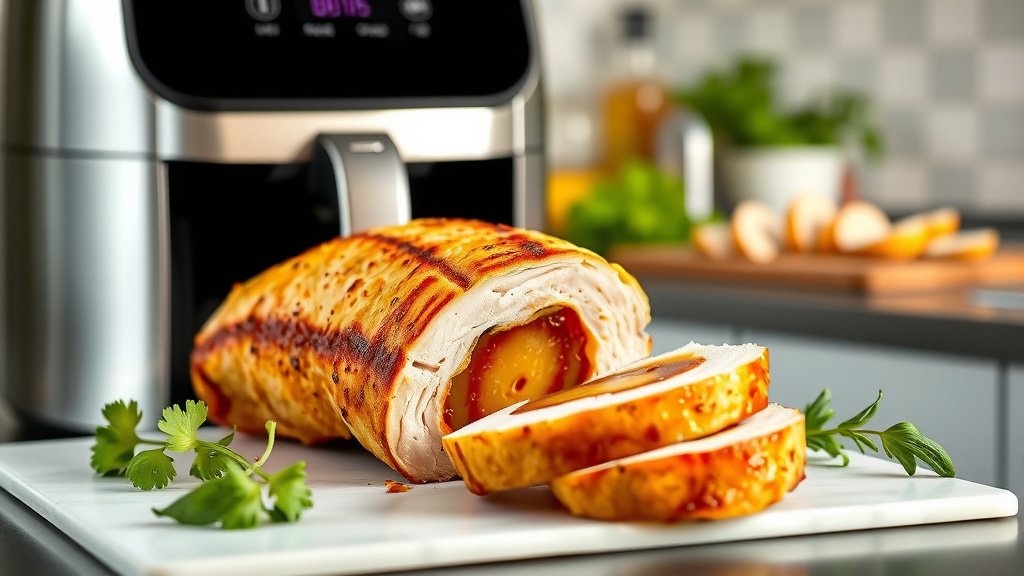
No, air frying generally does not significantly reduce the overall protein content of your food compared to other common cooking methods like baking or pan-frying.
While high heat causes proteins to change their structure, a process called denaturation, this action doesn’t mean your air-fried food loses its valuable protein. You can still enjoy the protein benefits.
TL;DR:
- Air frying does not significantly reduce protein levels in most foods.
- Protein naturally denatures (changes structure) when cooked, regardless of method.
- Overcooking at very high temperatures can slightly impact protein quality, but the quantity remains largely the same.
- The air fryer is a great tool for preparing protein-rich meals healthily.
- Focus on proper cooking times to get the most out of your protein.
Does Air Frying Food Reduce Protein?
Air frying food does not reduce its protein content in any meaningful way. Proteins are essential for your body, and cooking them, including air frying, simply makes them easier to digest.
What Happens to Protein During Cooking?
Think of protein molecules like tiny, tangled balls of yarn. When you apply heat, like in an air fryer, these “yarn balls” begin to unravel. This process is known as protein denaturation.
Denaturation is a normal part of cooking. It’s what makes an egg white turn solid or meat firm up. This change in structure helps your body break down and absorb the protein more easily (NIH).
Denaturation: A Good Thing for Digestion
Many experts say that denatured proteins are often more digestible. They are easier for your digestive enzymes to access and break into amino acids. So, while the protein changes, its nutritional value to you typically remains.
Air Frying vs. Other Cooking Methods
When you air fry, you are essentially baking with super-hot, circulating air. This dry-heat method is similar to oven baking in its effect on nutrients. How does it stack up against other popular methods?
Many studies compare cooking methods and protein retention. We found that air frying performs similarly to baking or grilling when it comes to preserving protein levels.
| Cooking Method | Impact on Protein | Common Examples |
|---|---|---|
| Air Frying | Minimal reduction; denaturation occurs. | Chicken breast, salmon, tofu |
| Baking/Roasting | Minimal reduction; denaturation occurs. | Roast chicken, baked fish |
| Grilling | Minimal reduction; potential for charring. | Steak, grilled vegetables |
| Boiling | Minimal reduction; some water-soluble nutrients may leach. | Boiled eggs, chicken soup |
| Deep Frying | Minimal reduction; adds fat, can form harmful compounds. | Fried chicken, fish and chips |
The Maillard Reaction and Flavor
Have you ever noticed that delicious golden-brown crust on your air-fried chicken wings or roasted vegetables? That’s often due to the Maillard reaction.
This reaction involves amino acids (from protein) and sugars reacting under heat. It creates hundreds of new flavor compounds and colors. It’s about flavor, not a reduction in protein content.
Can Extreme Heat Harm Protein Quality?
While air frying doesn’t reduce protein quantity, excessive heat and overcooking can sometimes affect protein quality. When food is severely overcooked or burned, some amino acids can be damaged.
This damage might make those specific amino acids less available for your body to use. However, for typical air frying at recommended temperatures and times, this is rarely a major concern.
Think of a piece of charred steak versus a perfectly cooked one. The charred parts are less ideal. Most air fryer recipes aim for a delicious crisp, not a burnt mess.
Maximizing Protein Retention in Your Air Fryer
You want to get the most out of your protein, right? Here are some simple tips to ensure your air-fried foods remain packed with goodness:
- Stick to Recommended Temperatures: Follow recipe guidelines for optimal cooking.
- Don’t Overcrowd the Basket: This ensures even cooking and avoids steaming, leading to better texture.
- Use a Meat Thermometer: Cook proteins to their safe internal temperature, but don’t go much beyond.
- Flip and Shake: Even heat distribution prevents certain spots from overcooking.
- Marinate Wisely: Some marinades can help tenderize protein and protect it from drying out.
Beyond Protein: Other Nutrients and Air Frying
Your air fryer is a champion for many nutrients, not just protein. Because it uses less oil than deep frying, it can significantly reduce calorie and fat intake.
We found that cooking methods impact different nutrients in different ways. Vitamins, for instance, can be more sensitive to heat or leaching into water. With air frying, you are usually preserving most vitamins and minerals well.
Air Frying for a Healthier You
Many guidelines point to choosing healthier cooking methods for overall wellness (Mayo Clinic). Air frying fits this bill perfectly. It’s a fantastic way to enjoy delicious, crispy foods with less added fat.
Common Protein Foods to Air Fry
What can you air fry to boost your protein intake? The options are nearly endless! Here are some popular choices:
- Chicken breasts, thighs, wings
- Fish fillets (salmon, cod, tilapia)
- Shrimp and other seafood
- Tofu and tempeh
- Lean ground meats (meatballs, patties)
- Eggs (yes, you can air fry eggs!)
These foods cook beautifully in an air fryer, giving you a delicious, protein-rich meal without much fuss.
Checklist for Protein-Rich Air Frying
- Select lean protein sources.
- Use appropriate cooking temperatures.
- Monitor cooking time to avoid overdoing it.
- Season well for amazing flavor.
- Pair with healthy sides like vegetables.
Conclusion
Rest easy, air fryer enthusiasts! Air frying your food does not meaningfully reduce its protein content. The changes protein undergoes during air frying are natural and often make it easier for your body to digest. You can confidently use your air fryer as a fantastic tool for preparing wholesome, protein-packed meals. It’s all about smart cooking, not nutrient loss. So go ahead, air fry that chicken, fish, or tofu, and enjoy the delicious, healthy results!
What are the best proteins to air fry?
Lean meats like chicken breast, fish fillets (salmon, cod), shrimp, and plant-based proteins such as tofu and tempeh are excellent choices for air frying. They cook evenly and develop a great texture.
Does air frying make food healthier than deep frying?
Yes, air frying is generally considered much healthier than deep frying. It uses significantly less oil, drastically reducing the fat and calorie content of your food while still achieving a crispy texture.
Can air frying destroy vitamins in food?
While any cooking method using heat can cause some loss of heat-sensitive vitamins, air frying’s impact is comparable to baking or roasting. It doesn’t typically lead to a greater nutrient loss than other common cooking techniques.
Is protein loss a concern with any cooking method?
Significant protein loss is rarely a concern with typical cooking methods. Protein changes structure (denaturation) when cooked, but the total amount available to your body usually remains. Over-charring or burning food is the main area of concern, affecting nutrient quality.
How can I ensure my air-fried protein stays tender and juicy?
To keep air-fried protein tender and juicy, avoid overcrowding the basket, cook at the right temperature, use a meat thermometer to prevent overcooking, and consider a light marinade to help retain moisture.