Does Air Frying Food Increase Cancer Risk?

While air frying can produce some compounds like acrylamide, particularly in starchy foods cooked at high temperatures, research suggests that proper techniques can significantly reduce this risk.
No, air frying food does not inherently increase cancer risk more than other high-temperature cooking methods when done thoughtfully and with awareness of potential carcinogens.
TL;DR: The Quick Scoop on Air Frying and Cancer Risk
- Air frying might create acrylamide in starchy foods, similar to baking or roasting.
- It often uses less oil, which is generally good for health.
- You can lower risks by using lower temperatures, shorter cooking times, and not over-browning food.
- Focus on a varied diet and choose healthier foods for your air fryer.
- Current evidence indicates air frying is a safe cooking method when used wisely.
Does Air Frying Food Increase Cancer Risk?
The short answer is: not directly, and not necessarily more than other common cooking methods. Many people worry about the link between cooking methods and cancer, especially with newer appliances like air fryers.
Your air fryer works by circulating hot air, similar to a convection oven. This method creates a crispy texture with less oil. But the concern often comes from certain compounds that can form during high-temperature cooking.
Understanding Acrylamide: The Main Concern
Have you ever noticed a golden-brown crust on your fries or toast? That delicious color comes from a chemical reaction. This reaction can also produce a compound called acrylamide.
Acrylamide forms when certain amino acids (like asparagine) react with sugars at high temperatures. This happens in many starchy foods, such as potatoes, breads, and some cereals. It is not unique to air frying.
Many experts say that consuming high levels of acrylamide might pose a health risk (National Cancer Institute). Animal studies have linked high doses to cancer. However, human studies are still ongoing and less clear-cut.
How Air Frying Compares to Other Methods
Air frying often involves cooking at temperatures between 325°F and 400°F (160°C to 200°C). This is similar to baking, roasting, or pan-frying. Deep frying often uses even higher temperatures.
Because air frying cooks food quickly and uses less oil, it can actually be a healthier option in some ways. It reduces fat intake significantly compared to deep frying.
Air Frying vs. Deep Frying: A Key Difference
The main health advantage of an air fryer is its ability to crisp foods with minimal oil. Deep frying submerges food in hot oil, which adds many calories and unhealthy fats.
With an air fryer, you use a tablespoon or less of oil, or sometimes none at all. This reduction in oil intake is a big win for your heart health and weight management (Mayo Clinic).
Does Less Oil Mean Less Acrylamide?
Interestingly, less oil doesn’t directly mean less acrylamide. Acrylamide formation is more about the temperature, cooking time, and the food itself. It’s not primarily linked to the amount of oil used.
However, choosing an air fryer can support a healthier lifestyle overall. This is because it helps you cut down on unhealthy fats that are often part of deep-fried meals.
Reducing Your Risk: Smart Air Frying Tips
You can definitely enjoy your air fryer while taking steps to minimize acrylamide exposure. It’s about being smart with your cooking habits. Here are some practical solutions:
- Don’t Over-Brown Food: Aim for a golden-yellow color, not dark brown or burnt. Darker areas often mean more acrylamide has formed.
- Cut Back on Cooking Time: Cook food only until it’s done. Overcooking increases the chance of acrylamide forming.
- Lower Temperatures: If possible, cook at slightly lower temperatures for a bit longer. For example, try 350°F instead of 400°F.
- Soak Potatoes: For homemade fries, soak raw potato slices in water for 15-30 minutes before air frying. This helps remove some of the sugars that contribute to acrylamide (NIH). Pat them dry thoroughly before cooking.
- Choose Wisely: Some foods naturally produce more acrylamide. Think about varying your diet.
Food Choices Matter: What You Air Fry
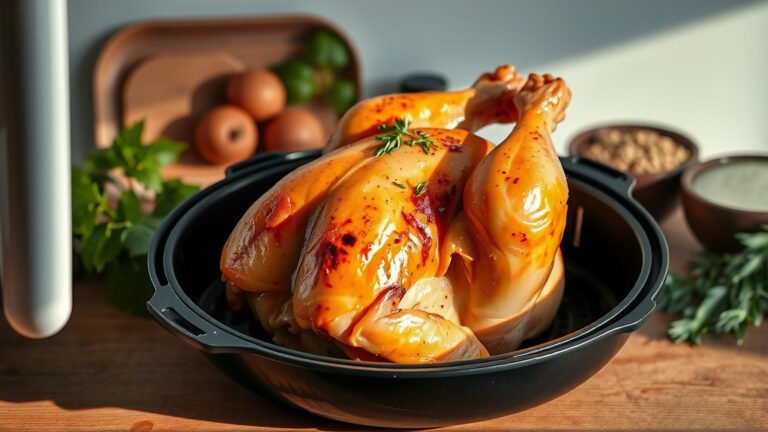
What you put into your air fryer can influence your overall health. Air frying vegetables or lean proteins like chicken and fish is generally a healthy choice.
Cooking foods like broccoli, bell peppers, or salmon in an air fryer adds flavor without excessive fat. These foods are less likely to form significant acrylamide.
Temperature and Time: Your Best Defense
Finding the right balance of temperature and time is key. Most air fryer recipes provide guidance, but feel free to experiment. You want to cook food thoroughly without burning it.
Always keep an eye on your food. A quick peek often prevents overcooking. Many air fryers have a clear window or pause function for this purpose.
A Balancing Act: Enjoying Your Air Fryer Safely
Life is about balance, isn’t it? An air fryer is a tool. How you use it affects the outcome. It can be a great addition to a healthy kitchen if used thoughtfully.
Don’t just rely on one cooking method for everything. Mix it up! Incorporate baking, steaming, grilling, and raw foods into your diet. This variety helps ensure you get a broad range of nutrients and minimize exposure to any single compound.
Quick Guide to Healthier Air Frying
You can make your air fryer a health champion with these steps:
- Choose lean proteins and vegetables.
- Minimize highly starchy foods or prepare them carefully.
- Use lower temperatures when possible.
- Cook until golden, not dark brown.
- Soak potatoes before frying.
| Cooking Method | Acrylamide Potential | Fat Content | Overall Health Aspect |
|---|---|---|---|
| Deep Frying | High (variable) | Very High | Often less healthy |
| Air Frying | Moderate (controllable) | Low to Moderate | Generally healthier |
| Baking/Roasting | Moderate (controllable) | Low to Moderate | Often healthy |
| Boiling/Steaming | Very Low | Very Low | Very healthy |
Conclusion
The concern about air frying increasing cancer risk largely centers on acrylamide formation. However, this compound can appear in many foods cooked at high temperatures, regardless of the appliance. Air frying is not uniquely problematic.
By following simple cooking guidelines—like managing temperature, avoiding over-browning, and choosing your ingredients wisely—you can use your air fryer as a powerful tool for preparing healthier, delicious meals. It’s all about informed choices, much like any aspect of your diet.
Frequently Asked Questions About Air Frying and Health
Is an air fryer really healthier than a regular oven?
An air fryer is often considered healthier for foods traditionally deep-fried, because it uses significantly less oil. For foods you’d usually bake or roast, it’s comparable to a convection oven, sometimes cooking faster due to its smaller size and powerful fan.
Can I air fry vegetables without increasing cancer risk?
Yes, air frying vegetables is generally a very healthy way to cook them. Most vegetables are low in the amino acids and sugars that form acrylamide. Aim for a tender-crisp texture rather than charring them.
What foods should I be most careful with when air frying?
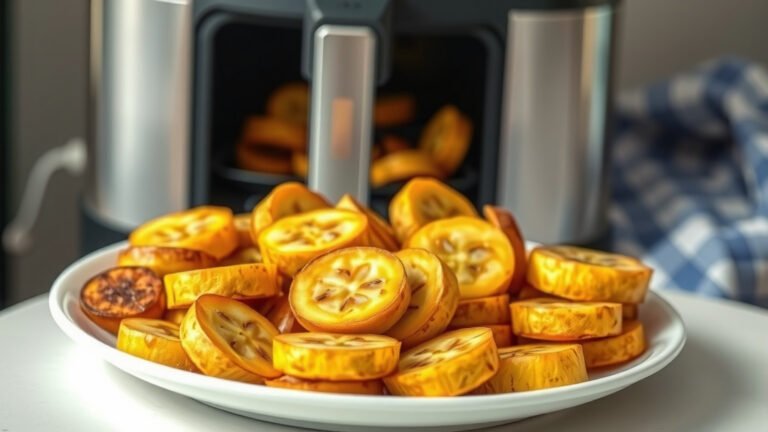
You should be most mindful when air frying starchy foods like potatoes (especially fries and chips), sweet potatoes, and some breaded items. These foods have a higher potential for acrylamide formation when cooked at high temperatures until very brown or crispy.
Does seasoning my food affect acrylamide formation?
Generally, seasoning itself does not significantly affect acrylamide formation. However, some marinades or coatings that contain sugars, especially when they char, could contribute to browning and potentially higher acrylamide levels. Focus on avoiding overcooking the food itself.
Should I stop using my air fryer if I’m worried?
There’s no need to stop using your air fryer if you’re worried. Instead, focus on adopting the healthy cooking practices mentioned. An air fryer can be a great way to enjoy foods with less added fat, which is a positive step for your overall health.