Does Air Frying Cause Carcinogens?
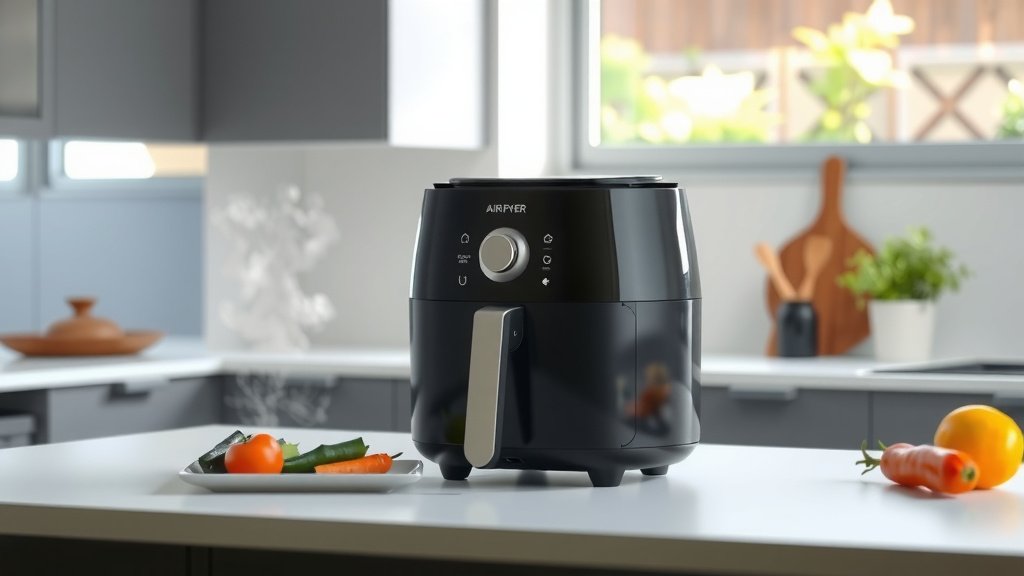
Air frying generally creates fewer carcinogens compared to deep frying, especially when preparing starchy foods like potatoes. While high-heat cooking can form certain compounds, air frying offers a healthier alternative for many dishes.
You can significantly reduce potential risks associated with air frying by following specific cooking tips and proper food preparation methods.
TL;DR: Quick Answers About Air Frying and Carcinogens
- Air frying is often safer than deep frying due to less oil and controlled heat.
- Certain high-heat cooking, including air frying, can create acrylamide in starchy foods.
- You can reduce carcinogen risks by blanching potatoes, not overcooking, and using marinades.
- Focus on lower temperatures and shorter cooking times when possible to prevent over-browning.
- Air frying promotes healthier cooking by allowing you to use minimal added fats.
Does Air Frying Cause Carcinogens?
No, air frying itself doesn’t inherently create carcinogens, but certain cooking conditions can lead to their formation. This is a common concern with many high-heat cooking methods, not just air frying.
Your cooking choices play a big role in managing this risk. You have control over how you prepare your food and cook it.
Understanding Carcinogens and Cooking
When you hear about carcinogens in food, it often refers to compounds like acrylamide. This chemical forms naturally when you cook starchy foods at high temperatures.
Think about potatoes, bread, or even coffee beans. The browning process, known as the Maillard reaction, helps create these compounds (NIH).
What is Acrylamide?
Acrylamide is a chemical compound that can form in certain foods during high-temperature cooking. This includes baking, roasting, toasting, and frying. It’s not exclusive to air frying.
Research connects high levels of acrylamide intake with potential health risks, although human studies are still ongoing (CDC).
Air Frying vs. Deep Frying: The Key Difference
Air frying uses hot circulating air to cook food, giving it a crispy texture with little to no oil. Deep frying, on the other hand, submerges food in a large amount of hot oil.
Because air frying uses less oil and often requires slightly lower temperatures or shorter times, it can be a healthier alternative to deep frying.
Lower Fat, Less Risk?
Using less oil is a major advantage of air frying. This reduces the total fat content in your meals. Less oil means fewer potential compounds from oil degradation at high temperatures too.
Many experts say that reducing dietary fat intake is a step toward overall better health (Mayo Clinic).
Foods That Can Form Acrylamide
The foods most likely to form acrylamide are those rich in carbohydrates and a specific amino acid called asparagine. Potatoes are a prime example.
Items like potato chips, French fries, and certain baked goods can contain acrylamide when cooked until very brown or crispy.
The Role of Temperature and Time
Acrylamide formation significantly increases with higher temperatures and longer cooking times. The goal isn’t to avoid heat, but to manage it smartly.
Keeping food just cooked through, rather than overly crispy or burned, helps reduce these compounds.
Practical Ways to Minimize Carcinogen Formation
You can take simple steps to enjoy your air-fried meals with less worry. Small changes in your cooking routine make a big impact.
Here are some straightforward strategies to adopt:
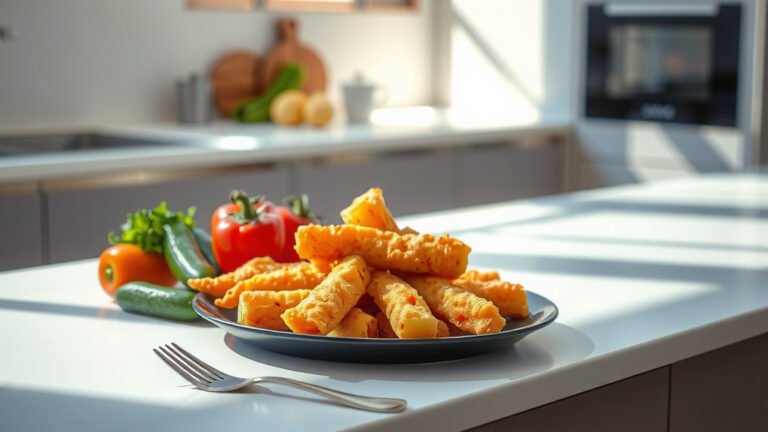
- Soak and blanch potatoes: Before air frying potatoes, soak raw slices or fries in water for 15-30 minutes. This helps remove some sugars that contribute to acrylamide. You can also quickly blanch them.
- Don’t over-brown: Aim for a golden-yellow color, not dark brown or burnt. Less browning equals less acrylamide.
- Use lower temperatures: Cook at the lowest temperature that still achieves your desired doneness.
- Limit batch sizes: Avoid overcrowding your air fryer. This ensures even cooking and prevents some areas from burning.
- Flip and shake: Regularly shake or flip food during cooking for more consistent results and to prevent scorching.
Pre-Treatment Matters
For starchy vegetables like potatoes, a simple pre-treatment can work wonders. Soaking them in water helps reduce sugars that create acrylamide.
Drying them thoroughly before air frying is also essential for that perfect crisp texture.
Watch Your Cooking Temperature
Many recipes call for high air fryer temperatures, but you might not always need them. Try reducing the temperature by 25°F (about 15°C) and extending the cooking time slightly.
This method can still give you delicious, crispy results with less risk.
Don’t Overcook
The crispy texture is part of the air fryer’s appeal, but there’s a limit. If your food looks too dark, like it’s almost burnt, then you’ve likely overcooked it.
Golden-brown is good; charred is not the goal for health reasons.
Marinades and Herbs Can Help
Some research suggests that certain marinades and spices may help reduce the formation of undesirable compounds during cooking. Antioxidant-rich herbs are a great choice.
Lemon juice or vinegar in a marinade can also play a role in lowering acrylamide levels.
Other Healthy Air Frying Habits
Air frying can be a fantastic tool for a healthy kitchen. Think about what you cook, not just how.
Here are general tips for making the most of your air fryer:
| Cooking Method | Potential Acrylamide Risk | Oil Use | General Health Impact |
|---|---|---|---|
| Deep Frying | Higher, especially when overcooked | Very High | Can contribute to unhealthy fat intake |
| Air Frying | Moderate, depends on food/temp | Low to Moderate | Generally healthier due to less fat |
| Boiling/Steaming | Very Low | None | Preserves nutrients well |
| Roasting/Baking | Moderate to High, similar to air frying | Low to Moderate | Can be healthy with proper technique |
Choosing the Right Foods
An air fryer excels with vegetables, lean proteins, and even fruits. Focus on these healthy ingredients. You can create truly nutritious and satisfying meals.
For example, air-fried broccoli or chicken breast are wonderful options.
Conclusion
You can certainly enjoy your air fryer without constant worry about carcinogens. While high-heat cooking always carries some risk of forming certain compounds, air frying offers advantages over other methods like deep frying.
By using practical tips like soaking potatoes, watching your cooking times, and not over-browning food, you can significantly reduce potential risks. Focus on smart cooking choices and a balanced diet. Your air fryer is a great tool for healthier eating when used wisely.
Frequently Asked Questions About Air Frying Safety
Is an air fryer safer than an oven for cooking potatoes?
Both air frying and oven roasting use dry heat and can form acrylamide in starchy foods. An air fryer often cooks faster, which might reduce exposure time if you cook correctly. The key is to avoid over-browning in either appliance.
What kind of oil is best to use in an air fryer to reduce risks?
Use oils with a high smoke point, such as avocado oil, grapeseed oil, or peanut oil. These oils are more stable at high temperatures, which helps reduce the formation of harmful compounds. Always use oil sparingly in an air fryer.
Can I air fry frozen foods safely?
Yes, you can air fry most frozen foods safely. Follow the package instructions for temperature and time, or adjust slightly for air fryer recommendations. Frozen fries, for example, can still form acrylamide if cooked too dark, so watch the color.
Does cooking meat in an air fryer produce carcinogens?
Cooking meat at very high temperatures can sometimes produce heterocyclic amines (HCAs) and polycyclic aromatic hydrocarbons (PAHs), which are potential carcinogens. This applies to all high-heat meat cooking, not just air frying. To reduce these, avoid charring your meat and keep cooking times as short as possible while ensuring it’s fully cooked.
How often should I clean my air fryer to maintain safety?
Clean your air fryer after every use. Food particles and grease can accumulate and burn during subsequent uses, potentially creating smoke and undesirable compounds. Regular cleaning also helps maintain your appliance’s efficiency and lifespan.