Does Air Frying Cause Acrylamide?
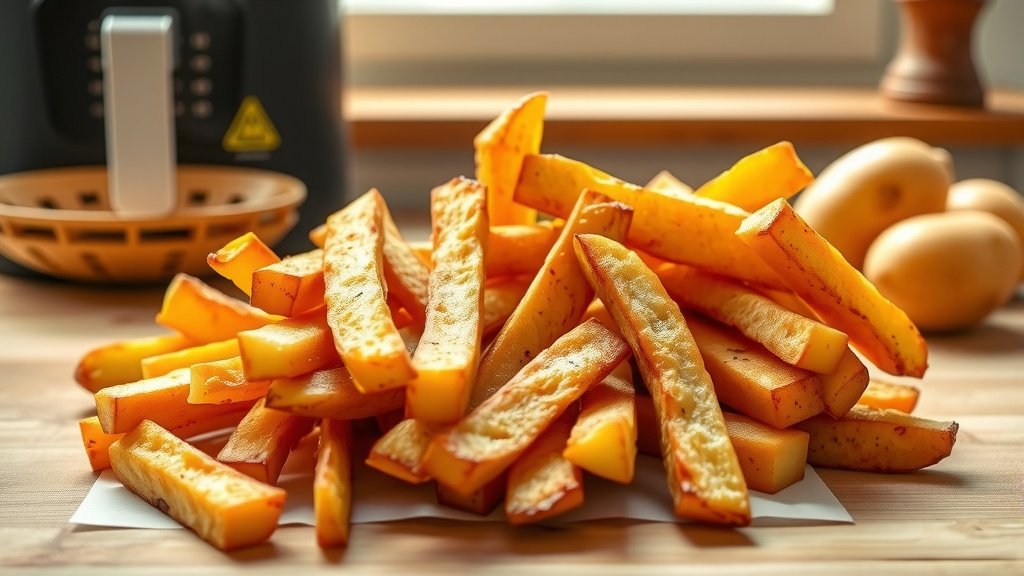
Yes, air frying can potentially cause acrylamide to form, particularly when you cook starchy foods at high temperatures for extended periods.
However, compared to deep frying, air frying often results in lower levels of this compound if you follow certain cooking practices.
TL;DR: The Quick Scoop on Acrylamide and Air Frying
- Air frying, like other high-heat cooking, can create acrylamide in starchy foods.
- The amount of acrylamide depends on the food, temperature, and cooking time.
- Generally, air frying tends to produce less acrylamide than deep frying.
- You can significantly reduce acrylamide formation with simple cooking adjustments.
- Focus on light golden-brown results instead of dark brown or burnt.
Does Air Frying Cause Acrylamide?
Yes, air frying can cause acrylamide to form, just like other high-temperature cooking methods, especially with starchy foods.
However, you have many ways to reduce this formation in your air fryer.
Understanding Acrylamide: What Is It?
Acrylamide is a chemical compound that naturally forms in many starchy foods.
This happens during high-temperature cooking methods. Think frying, roasting, or baking.
Foods like potatoes, breads, and coffee beans are common sources.
It forms from sugars and an amino acid called asparagine.
How Does Acrylamide Form?
The Maillard reaction is the culprit here. It’s what gives food that yummy browning and flavor.
When you cook starchy foods above 248°F (120°C), acrylamide can start to form.
The longer and hotter you cook, the more acrylamide might develop.
This reaction is completely natural in cooking processes.
Is Acrylamide a Health Concern?
Many health organizations consider acrylamide a potential concern. This is based on animal studies.
Those studies link high doses to certain health issues.
For humans, the research is ongoing and more complex.
Experts often advise reducing exposure whenever you can (WHO).
Air Frying Versus Other Cooking Methods
Where does air frying stand? It typically uses less oil and cooks with hot circulating air.
This can be a benefit when it comes to acrylamide.
Research often shows that air-fried foods can have lower acrylamide levels.
This is when compared to their deep-fried counterparts (NIH).
| Cooking Method | Acrylamide Potential | Notes |
|---|---|---|
| Deep Frying | Highest | High temperatures, direct oil contact, longer cooking. |
| Pan Frying | High | Direct heat contact, can reach high temps. |
| Roasting/Baking | Moderate to High | Depends on temperature and duration, browning increases it. |
| Air Frying | Moderate | Hot air circulation, less oil, can control browning better. |
| Boiling/Steaming | Lowest | Lower temperatures, no browning reaction. |
Tips for Reducing Acrylamide When Air Frying
You can actively reduce acrylamide formation in your air fryer. It’s simpler than you might think!
Many guidelines point to these practical changes (FDA).
These small adjustments can make a big difference for your food.
Let’s look at how you can enjoy your air-fried favorites safely.
- Blanch Potatoes First: Soak raw potato slices in cold water for 15-30 minutes. This helps remove surface sugars.
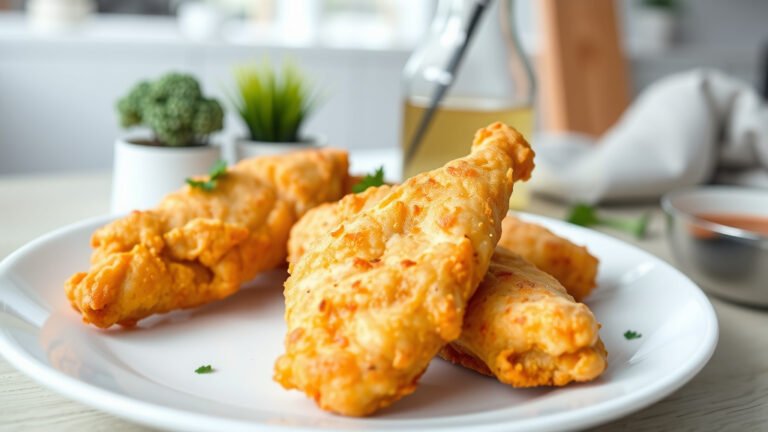
- Avoid Over-Browning: Cook foods until they are a light golden-brown, not dark or crispy.
- Lower the Temperature: Use slightly lower temperatures for longer cooking times.
- Don’t Overload the Basket: Cook in single layers for even airflow and faster cooking.
- Pat Food Dry: Excess moisture can sometimes interfere with even cooking and browning.
Choosing Your Foods Wisely
Not all foods are created equal when it comes to acrylamide.
Focus on fresh, less processed foods.
For potatoes, some varieties might form less acrylamide.
Many experts suggest choosing Russet potatoes carefully for this reason.
The Golden Brown Rule: Not Dark Brown!
Remember that beautiful golden-brown color you aim for?
That’s your visual cue for minimal acrylamide. Think a light tan, like a good toast.
Darker brown areas mean more of this compound has formed.
Aim for taste and texture, not extreme crispiness if you’re concerned.
Proper Storage Matters for Starchy Foods
Store potatoes and other starchy veggies in a cool, dark pantry.
Avoid storing them in the refrigerator.
Chilling potatoes can actually increase their sugar content.
More sugar means more potential for acrylamide during cooking.
Temperature and Time Control
This is probably your most powerful tool in the fight against acrylamide.
Instead of blasting food at maximum heat, try a slightly lower temperature.
You can extend the cooking time a bit if needed.
The goal is to cook until done, not to char or burn.
Cooking Aids and Acrylamide
Some people wonder about parchment paper or foil in the air fryer.
These generally don’t impact acrylamide formation directly.
They can, however, change how evenly heat circulates.
Ensure airflow is still good for optimal cooking results.
Beyond Potatoes: Other Foods to Watch
While potatoes are a common example, other starchy foods can also form acrylamide.
Think about air-fried sweet potatoes, breaded items, or even some baked goods.
The same principles apply: cook to a light golden hue.
Don’t overdo the crispiness if you’re mindful of acrylamide.
Making Smart Choices for Your Health
It’s all about balance and variety in your diet.
Don’t just eat air-fried foods all the time, even if they are tasty.
Combine them with plenty of fresh fruits and vegetables.
A varied diet helps keep things in perspective.
Expert Advice on Acrylamide
Food safety authorities around the world generally give similar advice.
Their message is often to “reduce” exposure, not to “eliminate” it.
You can reduce risks by varying cooking methods (FDA).
Boiling, steaming, and microwaving produce little to no acrylamide.
Conclusion
Air frying offers a fantastic way to enjoy your favorite crispy foods. While it can cause acrylamide, you have a lot of control.
By making conscious choices about cooking temperatures, times, and food preparation, you can significantly reduce its formation.
Enjoy your air fryer with confidence, knowing you’re making smart choices for your kitchen and your well-being!
Frequently Asked Questions
Can I completely avoid acrylamide when air frying?
No, it’s very difficult to completely avoid acrylamide when cooking starchy foods at high temperatures. However, you can reduce the amount significantly by following the tips mentioned, such as soaking potatoes and avoiding dark browning.
Does seasoning affect acrylamide formation?
Generally, common seasonings like salt, pepper, or herbs do not directly impact acrylamide formation. Some marinades, especially acidic ones, might even help reduce it by changing the food’s chemistry, but this effect is usually minor.
Is air frying healthier than deep frying for acrylamide?
Yes, air frying often results in lower acrylamide levels compared to deep frying. This is because air fryers use less oil and circulate hot air, allowing for better temperature control and often quicker cooking times that limit the browning reaction.
Are sweet potatoes safer than white potatoes for acrylamide?
Sweet potatoes contain less asparagine than white potatoes, which is one of the compounds needed for acrylamide formation. Therefore, sweet potatoes might produce less acrylamide when air-fried under similar conditions, but they can still form it if overcooked.
What other high-temperature cooking methods produce acrylamide?
Beyond air frying and deep frying, other methods like roasting, baking, and grilling can also produce acrylamide. Any method that creates a brown, crispy surface on starchy foods has the potential to form this compound.