Does Air Fryer Food Taste Better Than Oven?
Generally, air fryer food often tastes crisper and more evenly cooked than oven-baked food, especially for items you want crunchy. This is because air fryers use a compact, concentrated hot air circulation that mimics deep-frying textures without much oil, giving an edge in flavor for many dishes.
While an air fryer can make foods like french fries or chicken wings taste delightfully crisp, a traditional oven shines with larger dishes or items that benefit from a slower, more even bake, where a distinct “better” taste depends heavily on the specific food and your texture preference.
- Air fryers deliver superior crispiness and a “fried” texture with less oil for many foods.
- Ovens are better for larger batches, delicate baking, or items needing even, slower cooking.
- The concentrated heat in an air fryer activates the Maillard reaction faster, enhancing flavor.
- Ultimately, whether food tastes “better” depends on the dish and your desired texture.
- Combining both appliances often gives you the best results for different culinary needs.
Does Air Fryer Food Taste Better Than Oven?
For many dishes, an air fryer offers a distinct taste advantage, especially if you love a crispy finish. Its powerful convection technology creates textures that ovens struggle to match, quickly and efficiently.
The Crispy Truth: Why Air Fryers Excel
Have you ever craved that perfect crunch without all the oil? Air fryers are champions here. They circulate super-hot air around your food at high speeds, creating a crunchy exterior very quickly. This process often locks in moisture inside, giving you a tender interior with a wonderfully crisp outside.
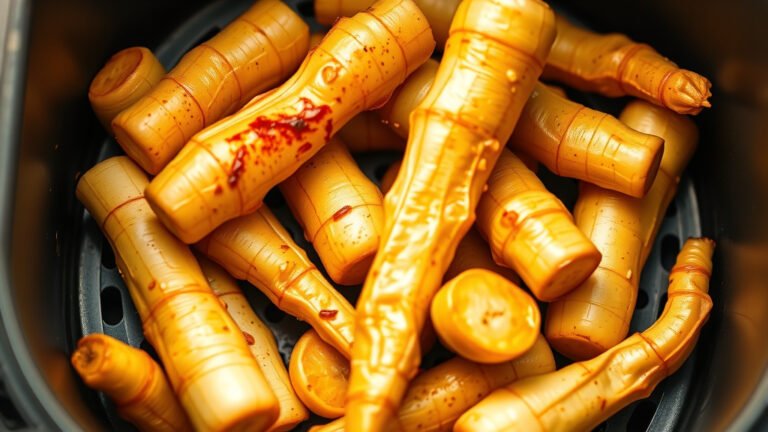
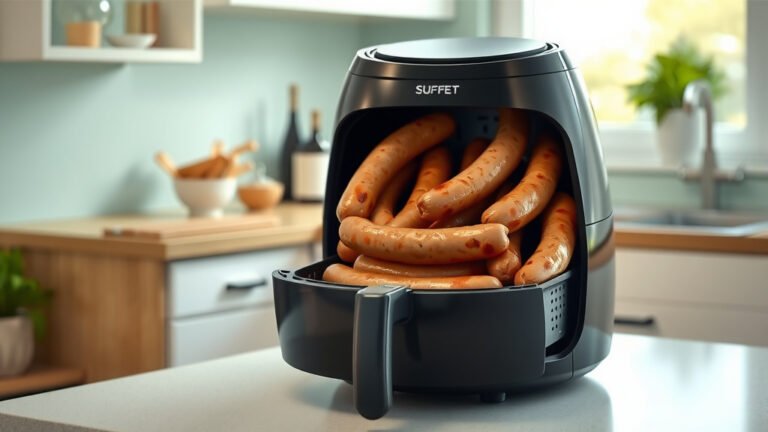
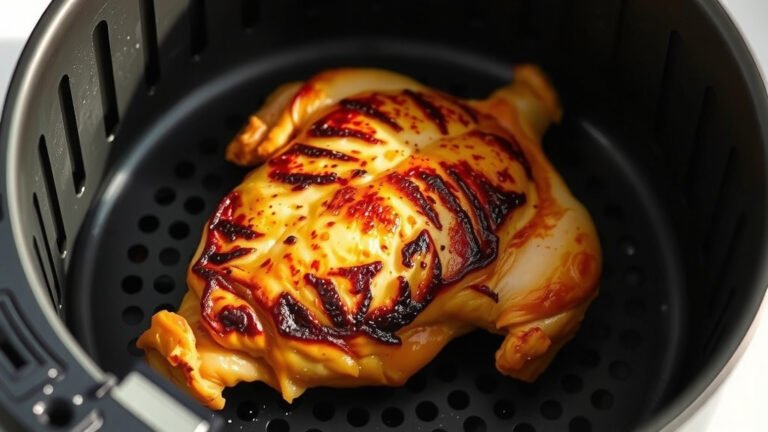
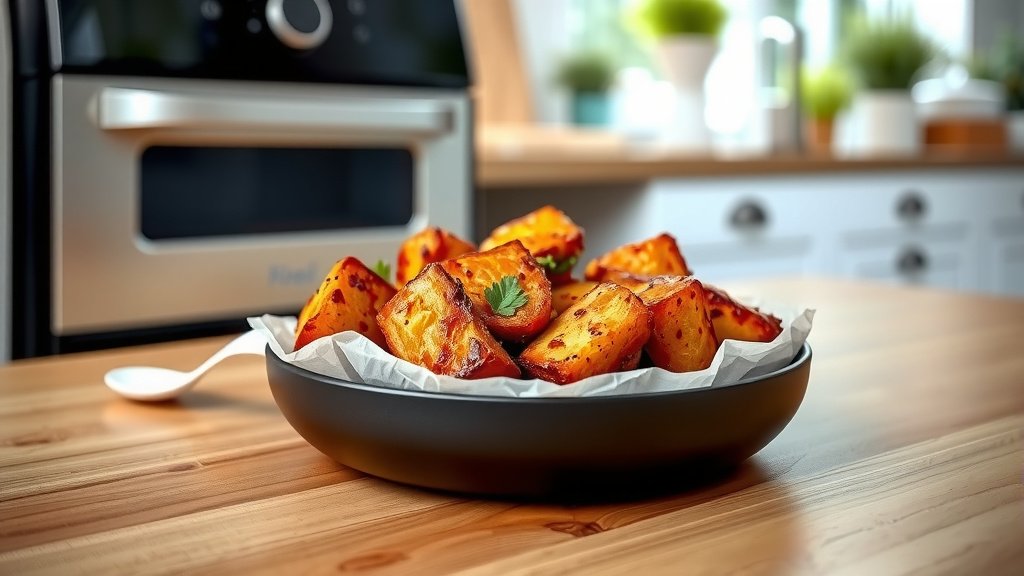
We found that items like french fries, chicken wings, and frozen appetizers truly shine in an air fryer. The taste difference is noticeable, as they develop a crisp, golden brown crust that feels satisfyingly “fried.”
Maillard Reaction Magic
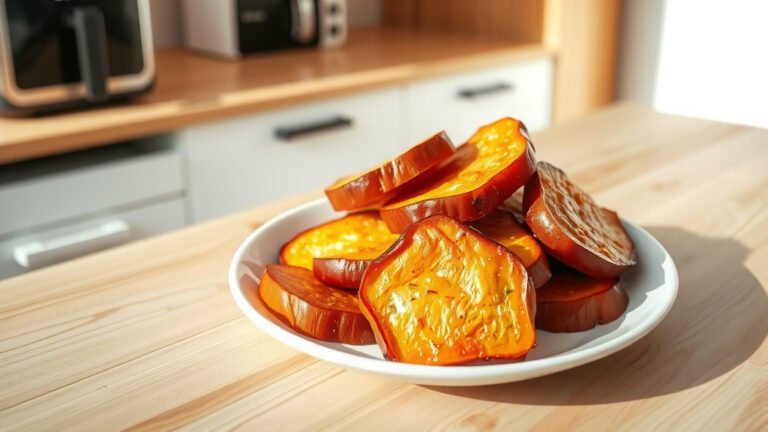
That delicious brown crust isn’t just for looks; it’s flavor! The intense, concentrated heat in an air fryer kicks off the Maillard reaction very efficiently. This chemical process creates hundreds of new flavor compounds, making your food taste richer and more complex. Think of the difference between steamed broccoli and roasted broccoli; it’s that kind of taste enhancement.
Oven Advantages: Size and Versatility
Now, let’s not discount our trusty ovens. They are kitchen workhorses for a reason! Ovens offer a much larger cooking capacity, which is perfect for family meals or batch cooking. You wouldn’t try to roast a whole chicken or bake a casserole in most air fryers, would you?
Ovens also provide a more gentle, radiant heat. This is ideal for delicate baking, like cakes, cookies, or soufflés, where an aggressive blast of hot air could dry them out or cook them unevenly. A traditional oven ensures even cooking over a longer period.
Batch Cooking and Larger Meals
Imagine trying to cook a sheet pan full of roasted vegetables for six people in an air fryer. It would take multiple batches, defeating the purpose of convenience. Ovens handle these larger volumes with ease, allowing you to prepare more food at once. This makes them indispensable for entertaining or meal prepping.
Flavor Profile: A Matter of Preference
Ultimately, taste is subjective. What one person calls “better,” another might find different. Air-fried food tends to have a “fried” flavor profile—think crispy, slightly savory, and often less greasy than deep-fried. Oven-baked food can have a more nuanced, roasted, or gently cooked flavor. It often depends on the texture you desire most.
How Different Foods React
Some foods naturally benefit from the air fryer’s intense heat, while others thrive in an oven’s more expansive environment. For instance, a beautifully seared steak might start in a pan and finish in an oven, using a combination for the best taste. Meanwhile, crispy spring rolls are perfect for an air fryer.
| Feature | Air Fryer | Traditional Oven |
|---|---|---|
| Taste Profile | Crispier, “fried” texture, richer browning. | Roasted, baked, more even, gentle cooking. |
| Key Benefit | Speed, intense crisping, less oil. | Large capacity, versatile, even baking. |
| Best For | Fries, wings, frozen snacks, small veggies. | Roasts, casseroles, baked goods, sheet pan meals. |
| Cooking Time | Generally faster, quicker preheat. | Slower, longer preheat. |
| Texture Focus | Crunchy exterior, tender interior. | Consistent texture throughout. |
Speed and Efficiency: A Quick Win for Air Fryers
Beyond taste, air fryers often win on speed. Their compact size means they preheat much faster than a large oven. This can be a game-changer when you’re short on time and want a quick, hot meal. We found that cooking times can be significantly reduced for many common items, contributing to a better overall experience.
Preheat Time Matters
Imagine wanting a quick batch of frozen mozzarella sticks. An air fryer might be ready to cook in 2-3 minutes, while an oven could take 10-15 minutes to reach temperature. That saved time means you’re enjoying your crispy snack sooner, which can certainly make the food taste “better” simply by being more convenient.
Healthier Cooking: Less Oil, More Flavor?
Many experts note that air fryers require significantly less oil than traditional deep-frying. While an oven also uses minimal oil, the air fryer achieves that desired crispy texture with a mere drizzle, or sometimes none at all. This can lead to food that tastes lighter and less greasy, which many people find preferable (Cleveland Clinic).
Oil Usage and Crisping
When you use less oil, the natural flavors of the food can sometimes come through more clearly. The powerful air circulation does the heavy lifting for crisping, meaning you don’t need to submerge items in oil. This balance of crunch and natural taste is a significant reason for the air fryer’s popularity.
Best Practices for Both Appliances
To get the “best” taste, understanding each appliance’s strengths is key. For air frying, don’t overcrowd the basket; this ensures maximum air circulation for crispiness. For oven cooking, ensure even spacing on baking sheets and consider rotating your dishes for uniform browning.
Get the Best Out of Your Appliance: A Quick Checklist
- For air fryers, always preheat it.
- Don’t overcrowd the air fryer basket; cook in batches.
- Shake or flip food regularly in the air fryer for even cooking.
- For ovens, use the correct temperature and baking time.
- Consider a baking stone or steel in your oven for better crusts.
- Clean both appliances regularly for optimal performance and taste.
What Experts Say About Flavor (Cleveland Clinic)
Nutrition experts often highlight that air frying can produce palatable, crispy food with fewer calories from fat. This allows people to enjoy favorites like chicken tenders or spring rolls in a way that aligns with healthier eating goals. The ability to achieve a satisfying texture without excess oil can definitely make food “taste better” from a health and enjoyment standpoint.
Finding Your Culinary Sweet Spot
So, does air fryer food taste better than oven food? It’s not a simple yes or no. For super crispy, “fried-like” results, especially for smaller items, the air fryer often wins on taste. For larger meals, delicate baking, or slow roasting, the oven remains king. Many home cooks find that using both appliances strategically unlocks a world of delicious possibilities. The best taste often comes from choosing the right tool for the job.
Conclusion
When you’re chasing that perfect golden crunch, an air fryer usually outperforms a traditional oven. Its focused, high-speed convection delivers an almost deep-fried texture with far less oil, giving many foods a taste advantage. However, the oven’s capacity and gentler heat make it superior for roasting larger items or baking delicate dishes. The “better” taste truly depends on what you’re cooking and the specific texture you desire. Embrace both appliances to master your kitchen.
How do air fryers make food crispy without oil?
Air fryers use a powerful fan to circulate extremely hot air around your food at high speed. This concentrated heat mimics the effect of deep-frying by rapidly dehydrating the food’s surface, creating a crispy exterior with minimal to no added oil.
Can I cook anything in an air fryer that I would cook in an oven?
While an air fryer can cook many foods, it’s not a direct replacement for an oven. Air fryers are best for smaller items that benefit from crisping. Large roasts, casseroles, or delicate baked goods like cakes are usually better suited for an oven due to size and heat distribution differences.
Does air-fried food taste healthier?
Air-fried food often tastes lighter because it uses significantly less oil than traditional deep-frying. This can make dishes feel less greasy. While “healthier” is a broad term, reducing unhealthy fats by air frying can contribute to a more balanced diet, influencing how enjoyable and “good” the food tastes.
Why might my oven-cooked food not be as crispy as air-fried food?
Ovens use a larger cooking space and typically have less powerful fan convection compared to air fryers. This means the hot air isn’t circulating as intensely or rapidly around the food, making it harder to achieve the same level of quick, all-around crispiness that an air fryer provides.
Is one appliance more energy-efficient for cooking?
For smaller batches of food, an air fryer is generally more energy-efficient. It’s smaller and preheats much faster, using less energy to get up to temperature and cook the food. For larger meals, using a full-sized oven is more practical, even if it uses more power overall.